Bunkie High Alumni & History

Blast from the Past

The faces. The places. Our shared school memories.

Explore the photographs, yearbooks, and shared stories of Bunkie High and the Carver, Hessmer, and Cottonport school communities that helped shape it.

A connection across generations

Choose a collection

Photographs & documents · 102 images

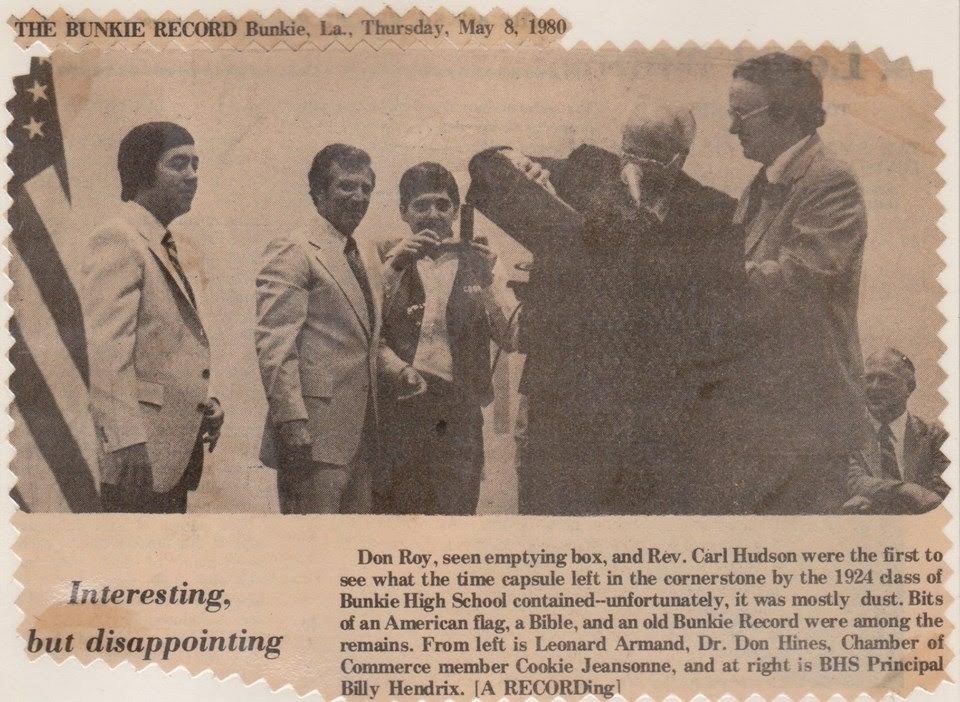
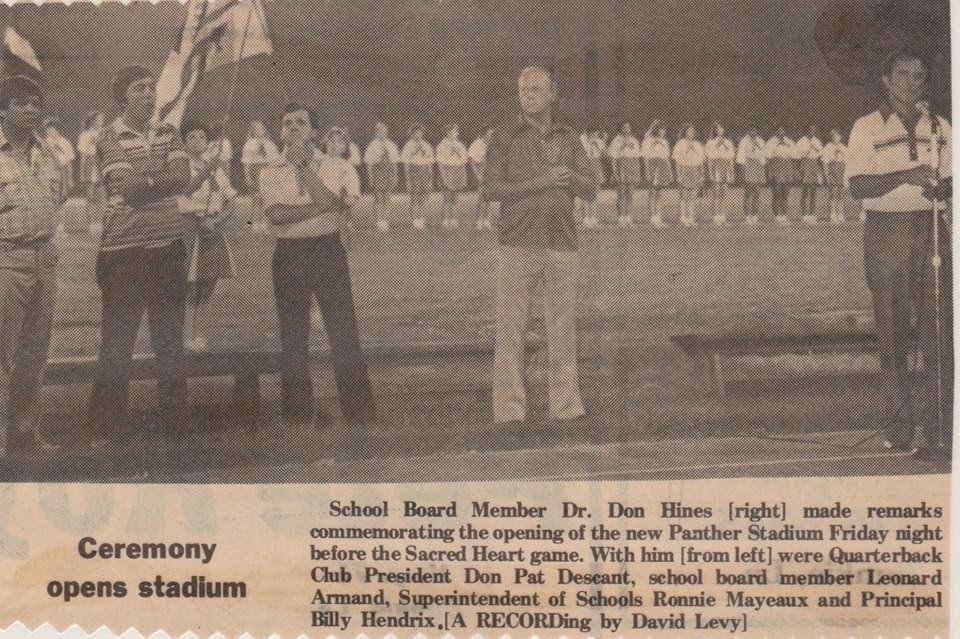
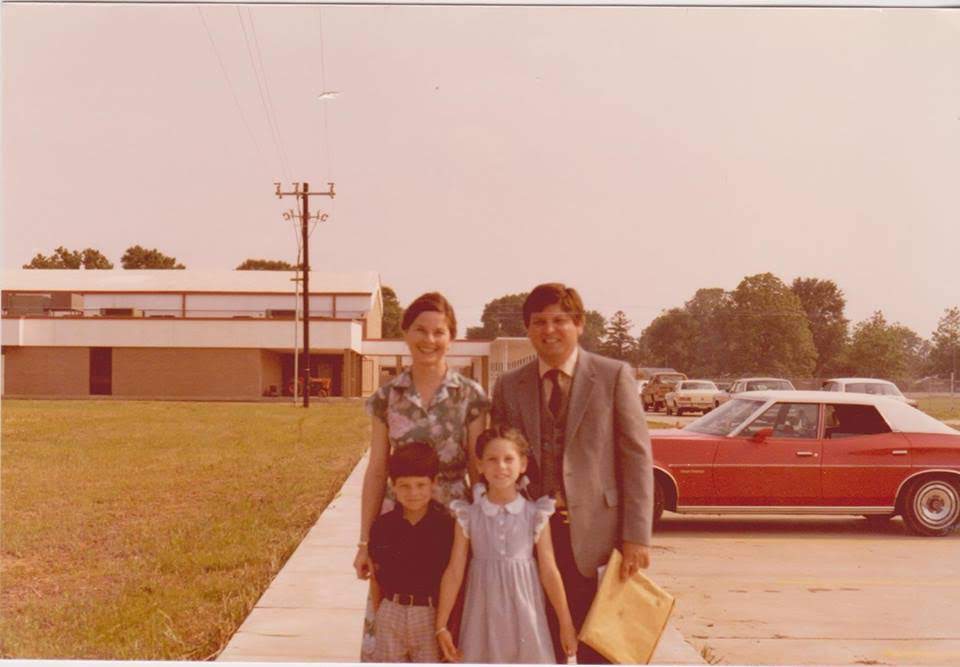
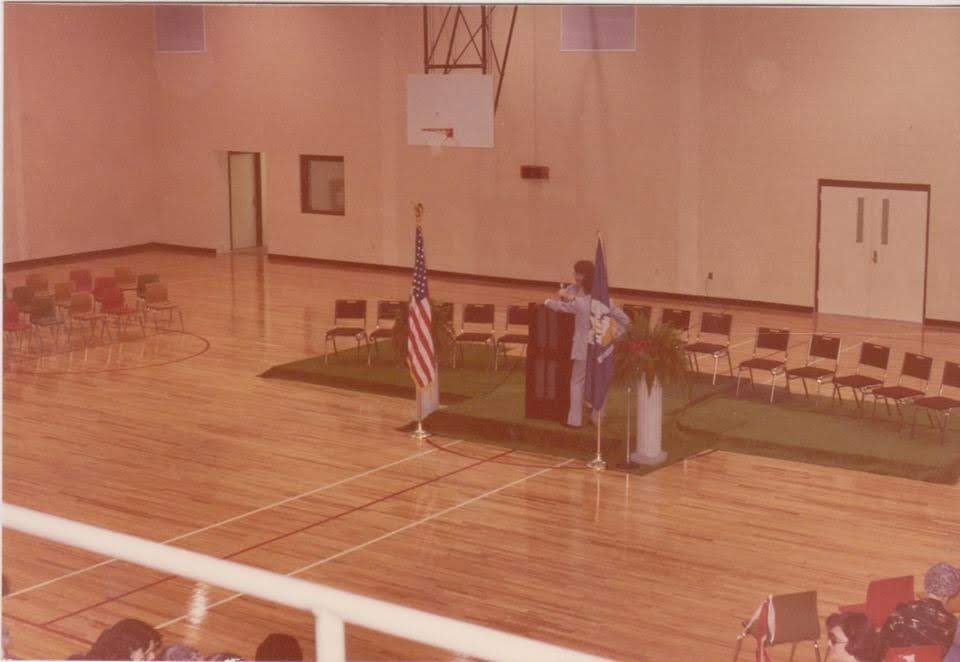
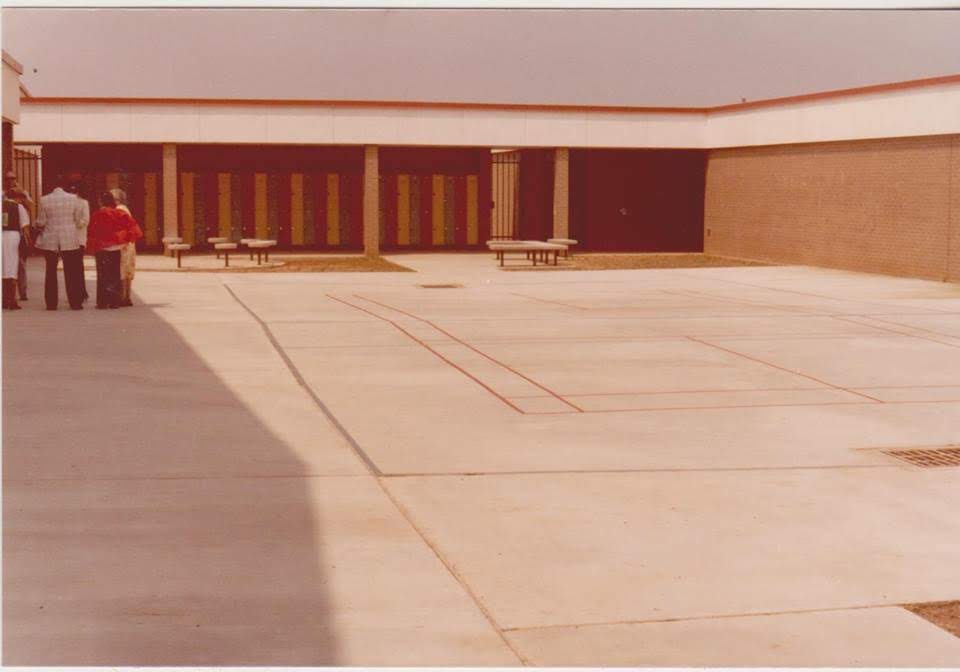
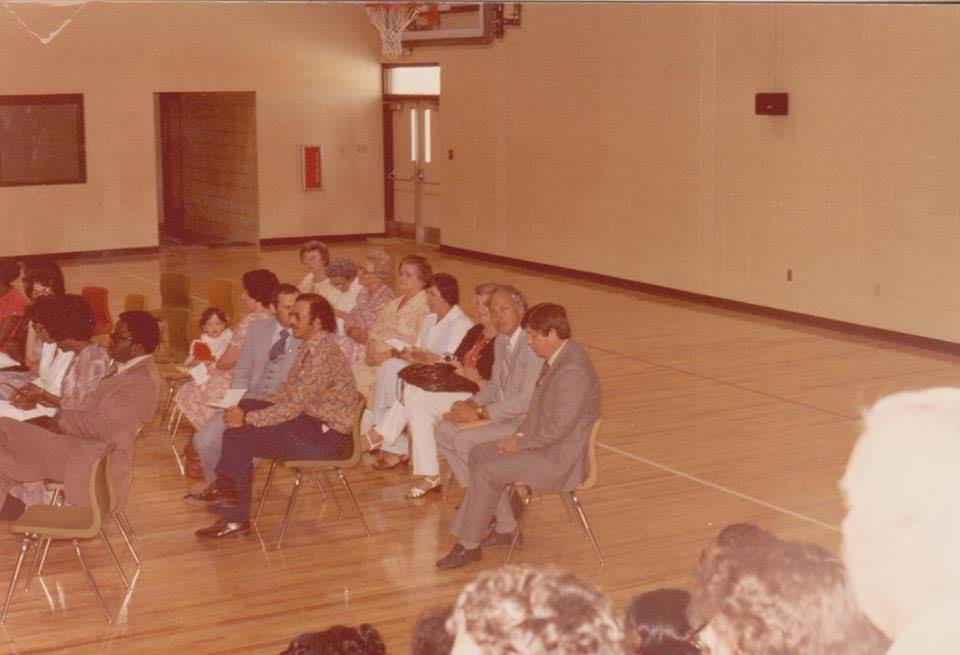
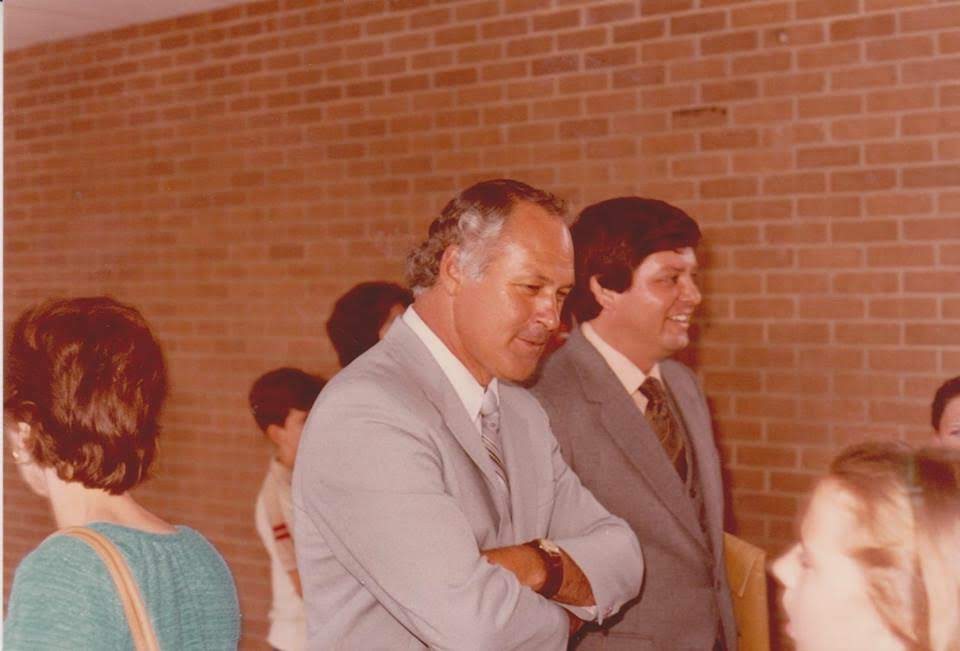
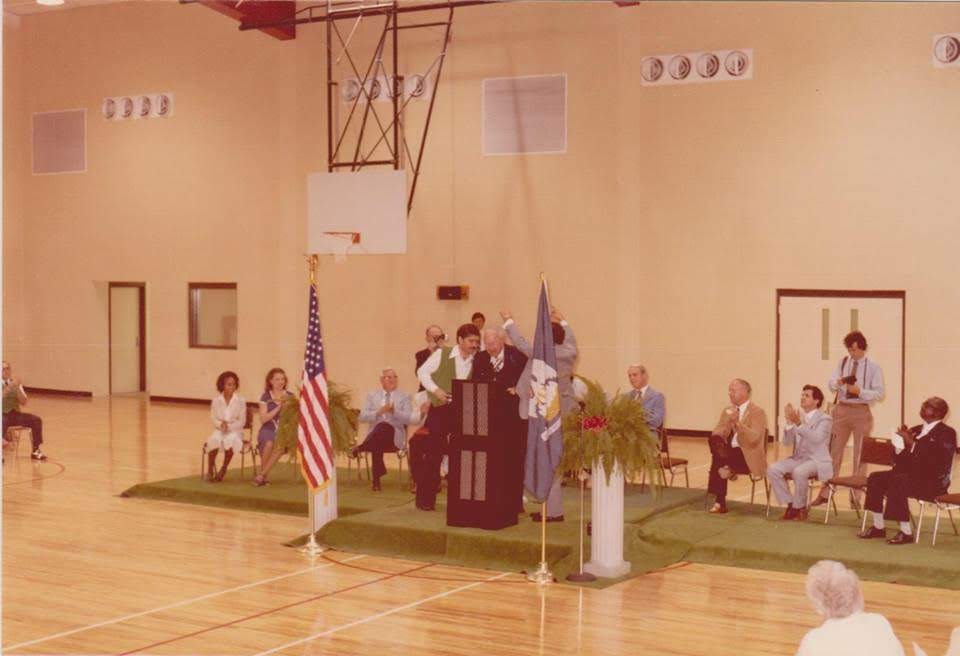
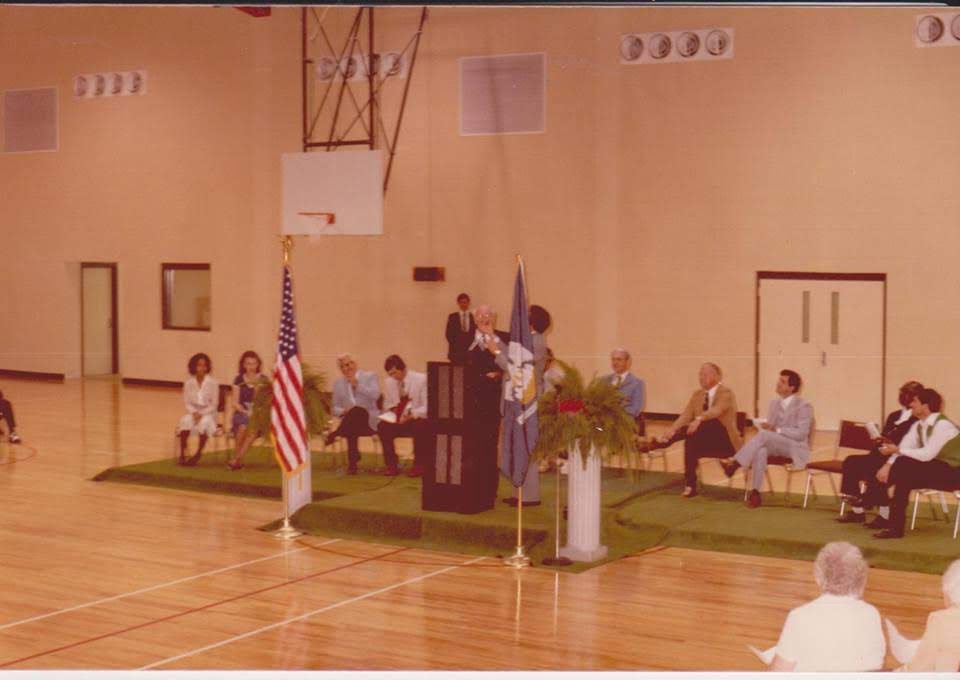
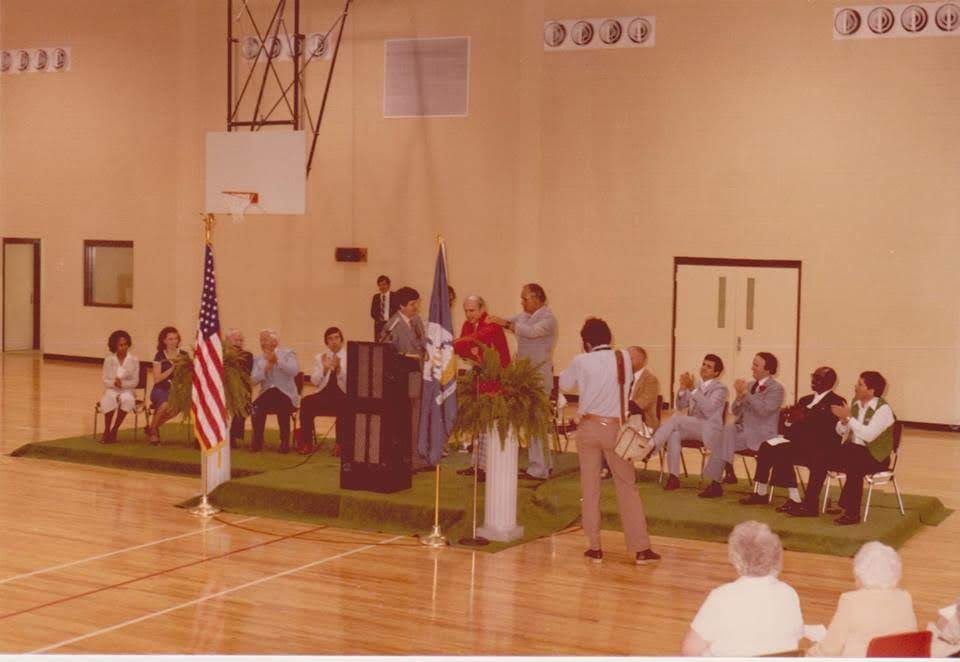
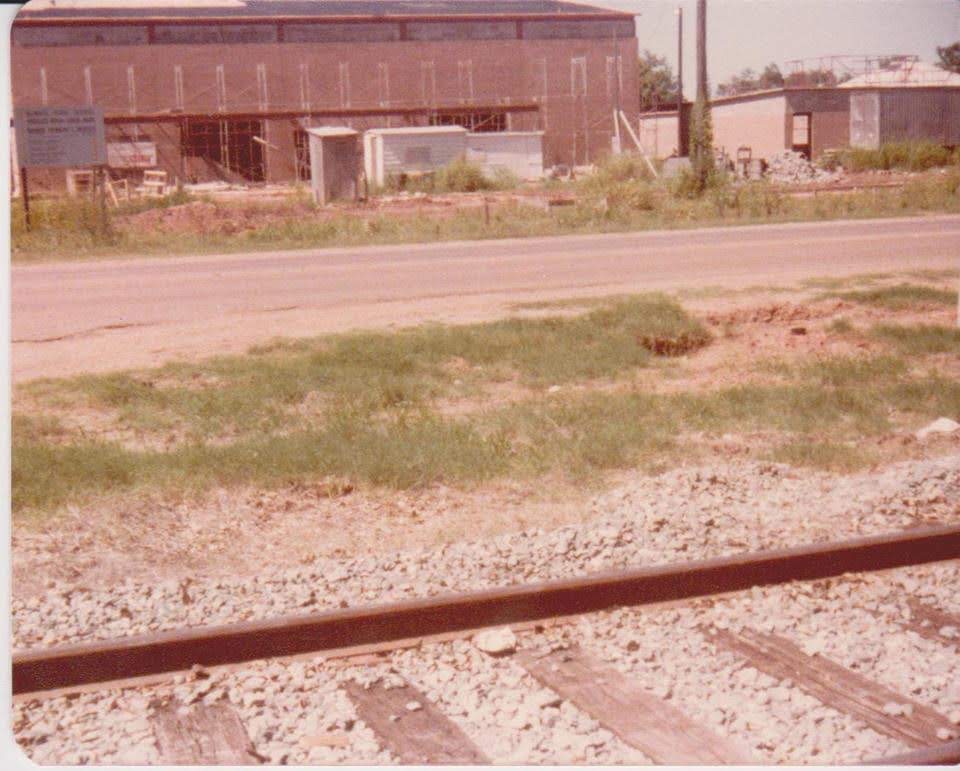
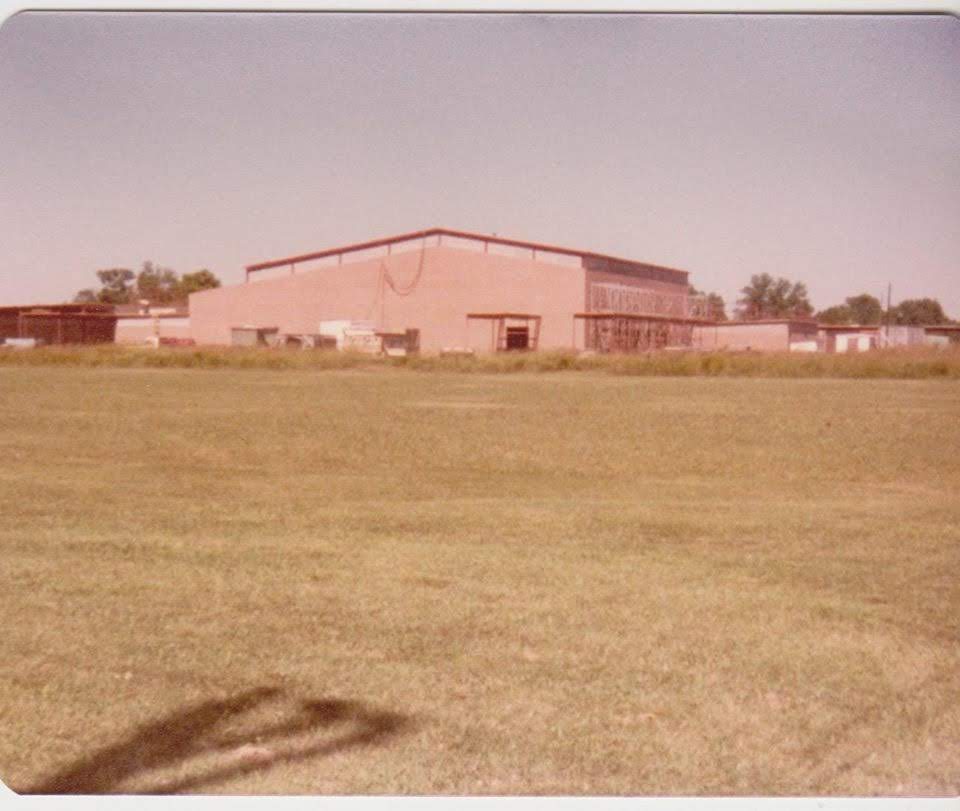
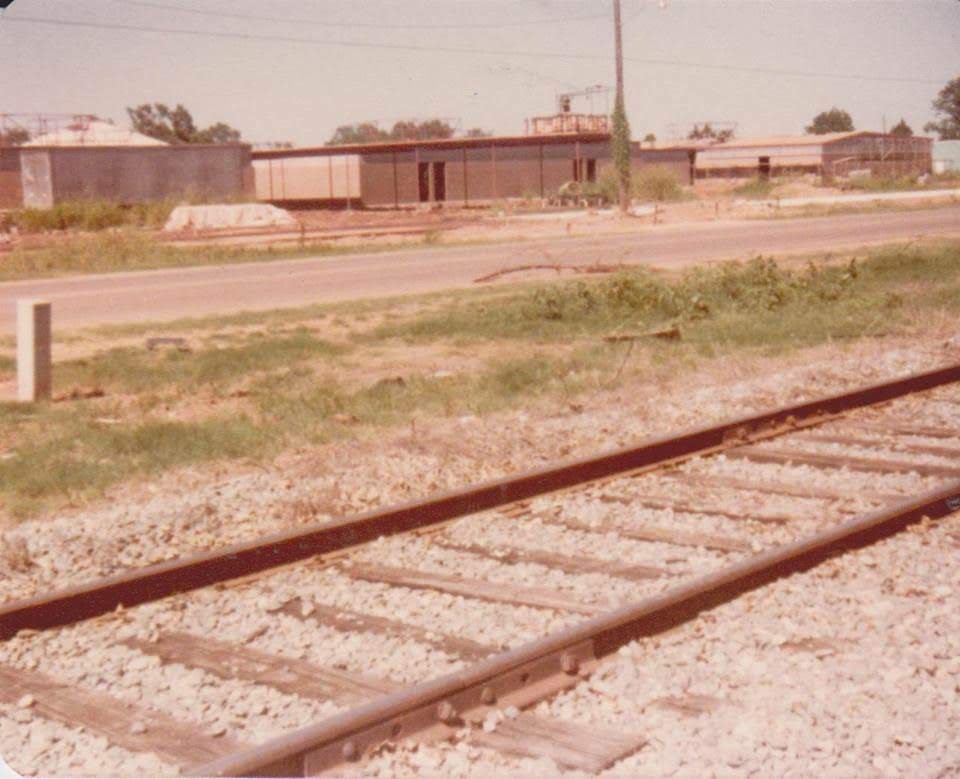
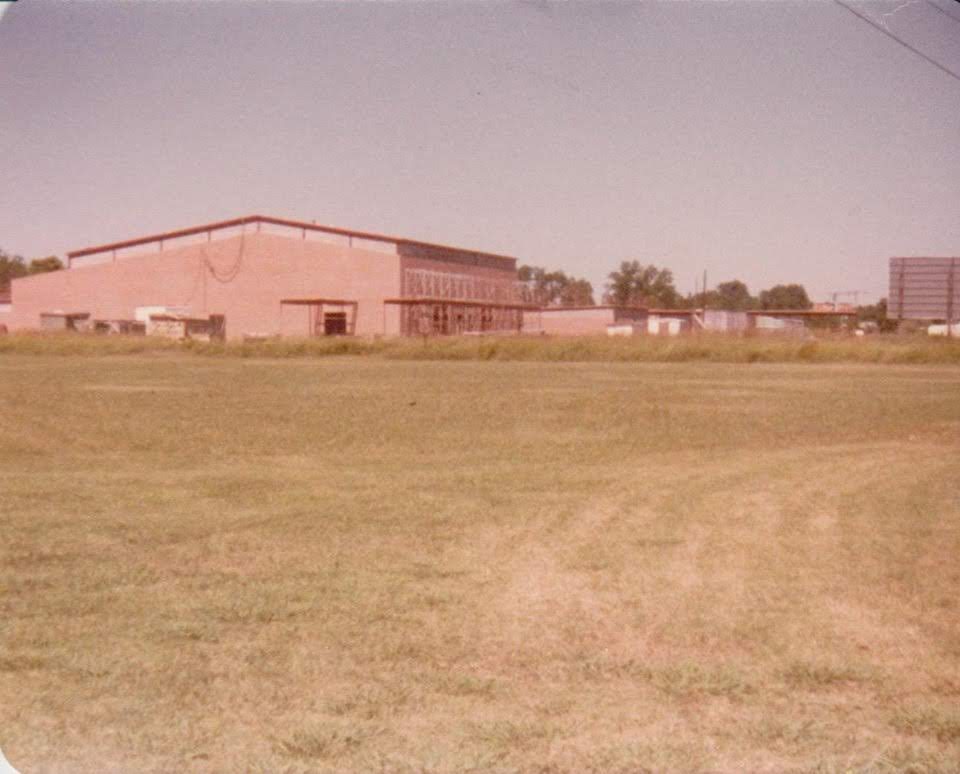
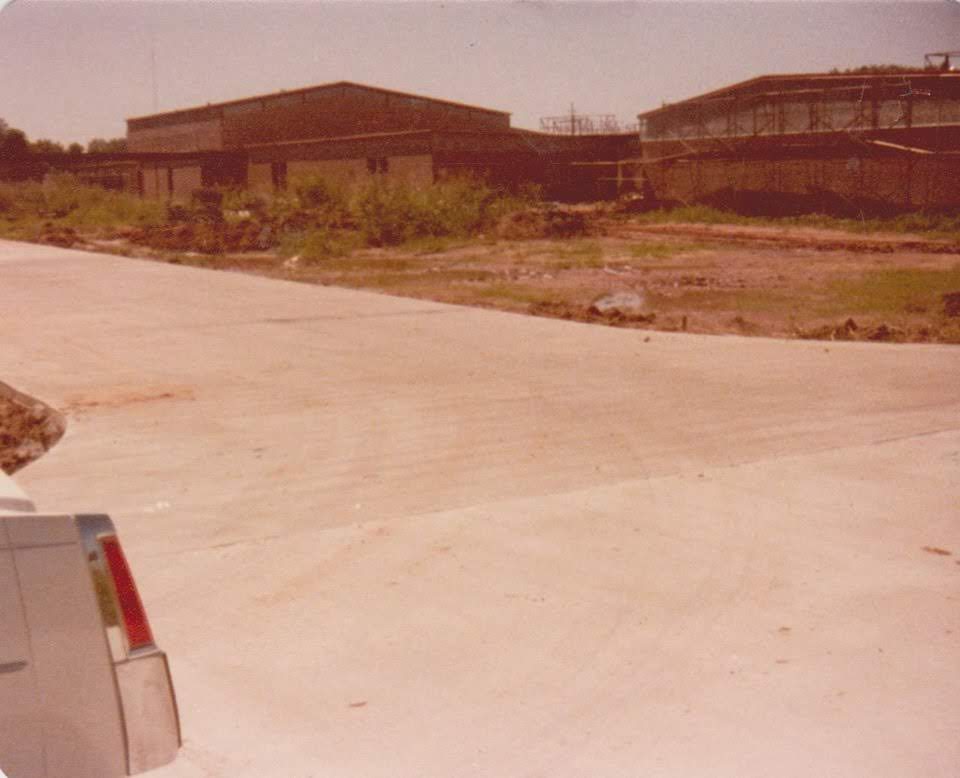
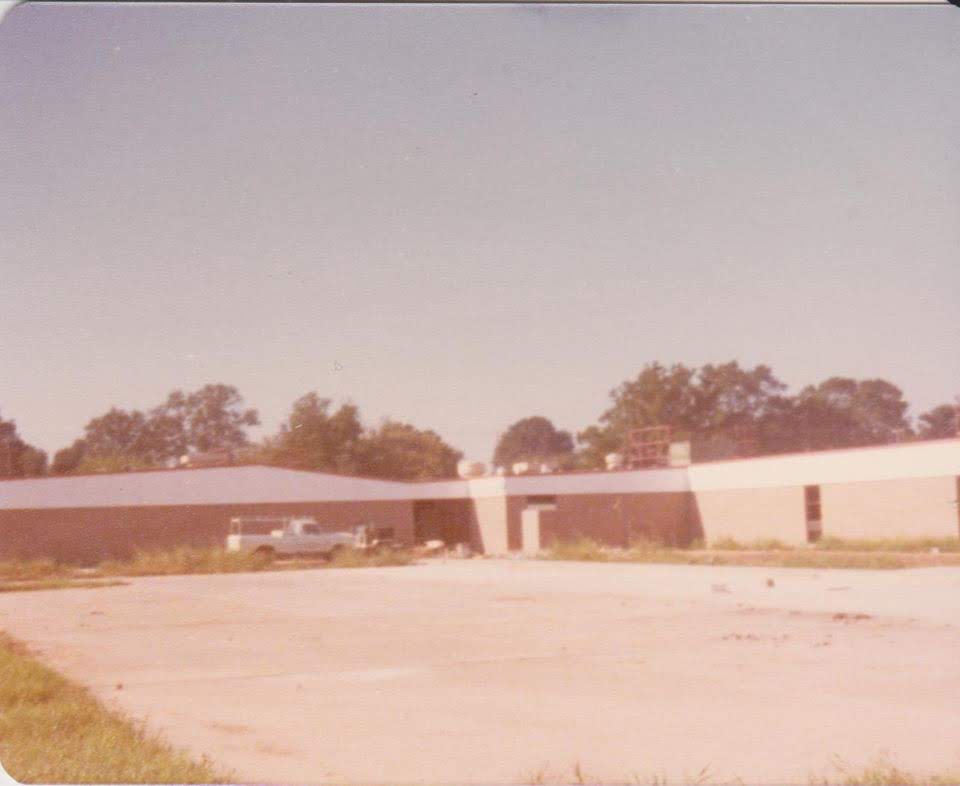
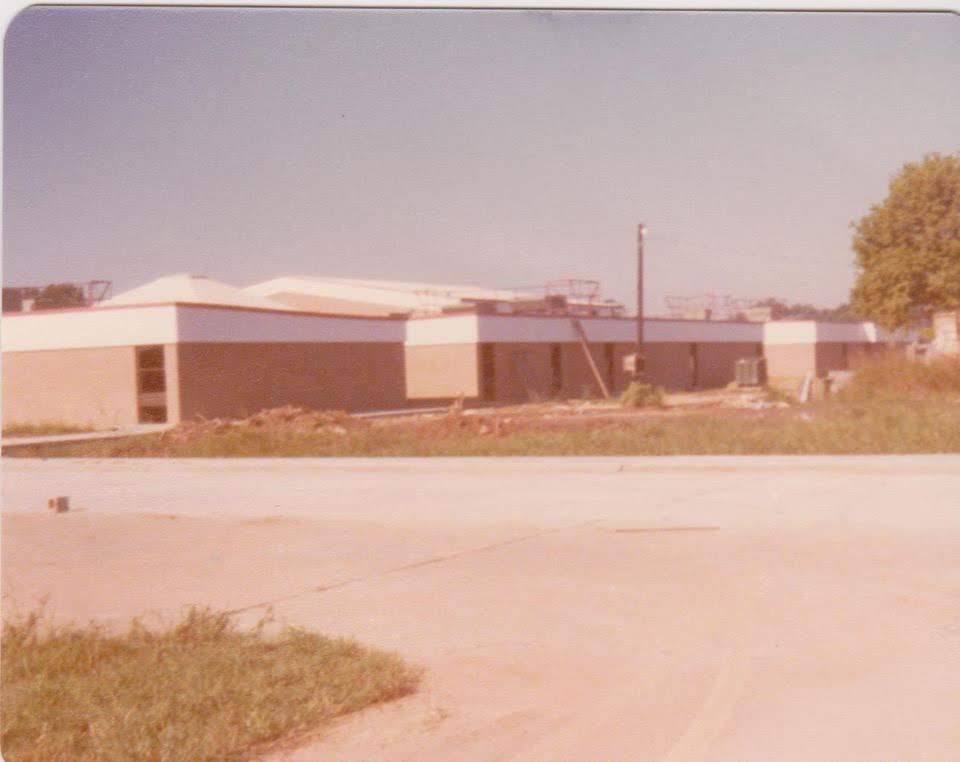
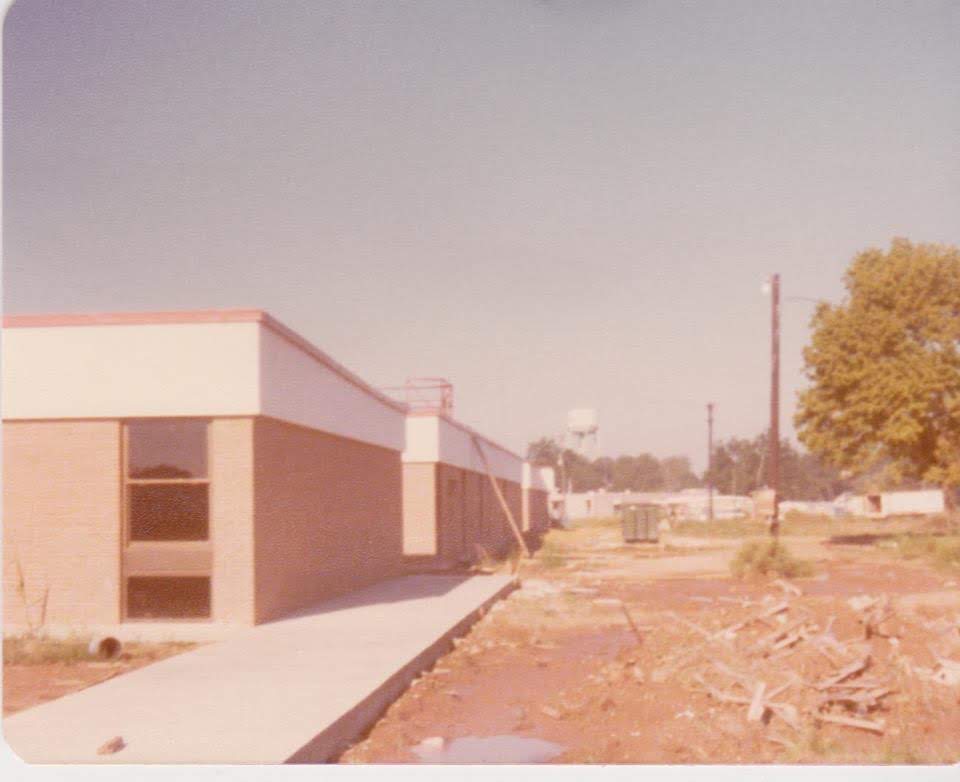
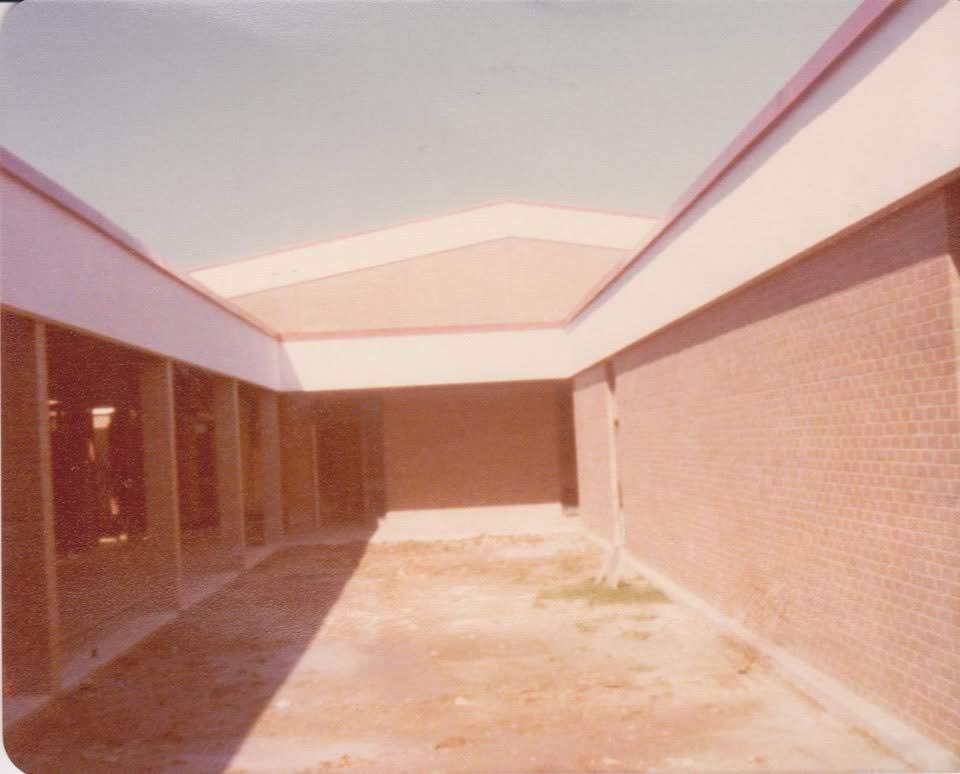
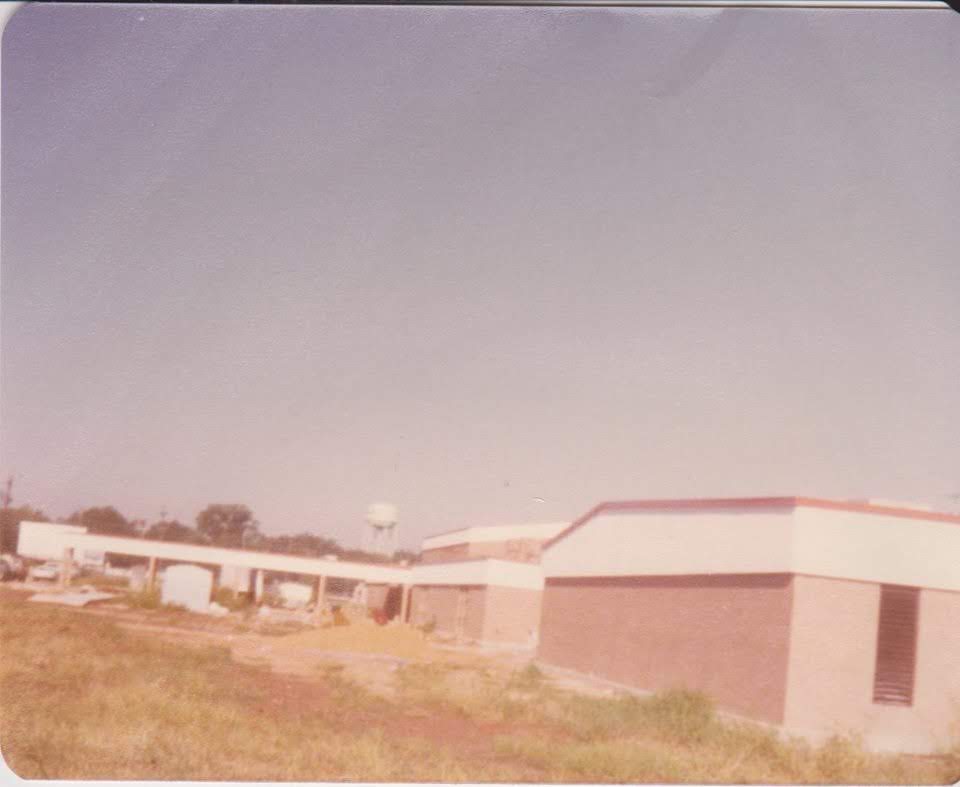
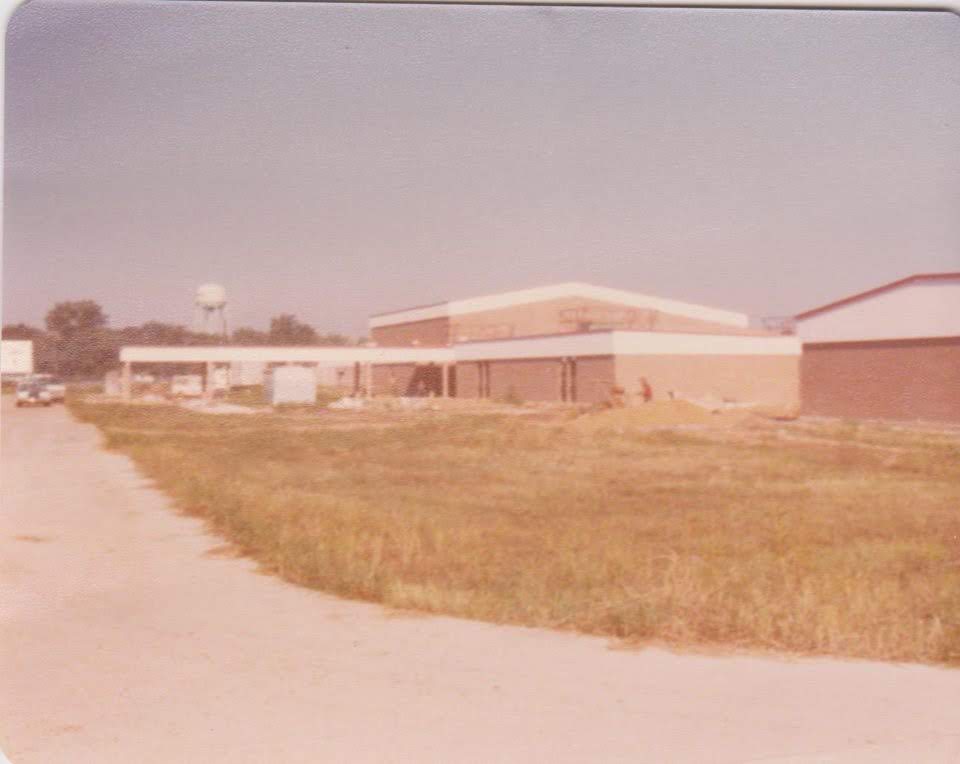
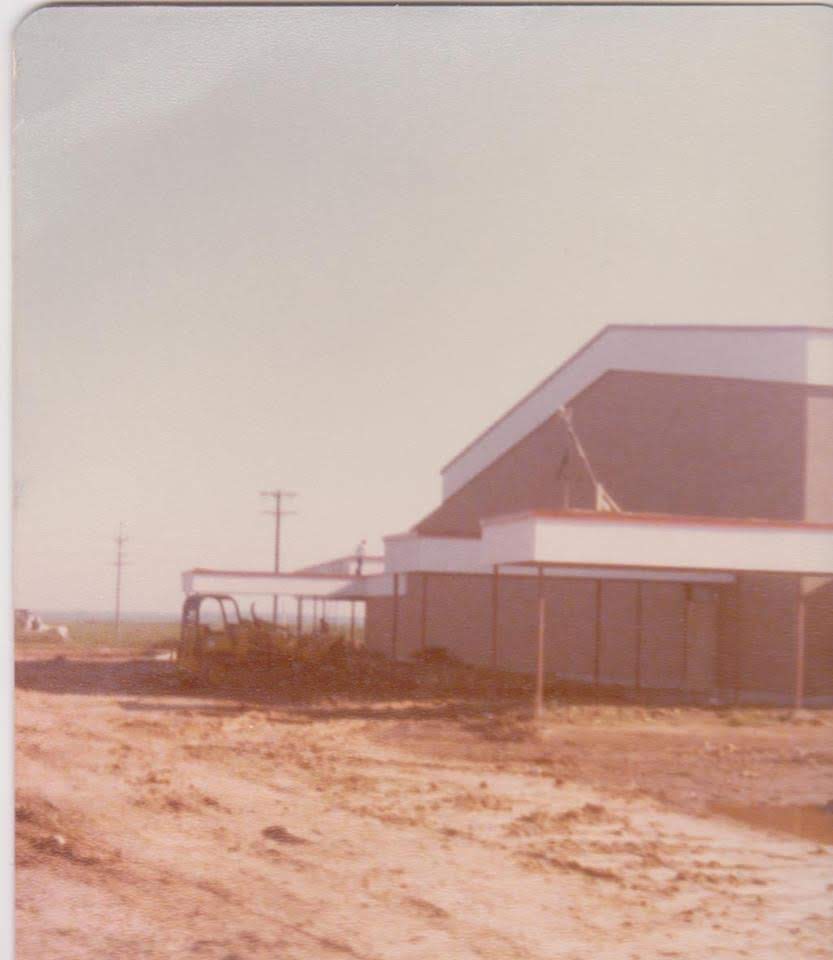
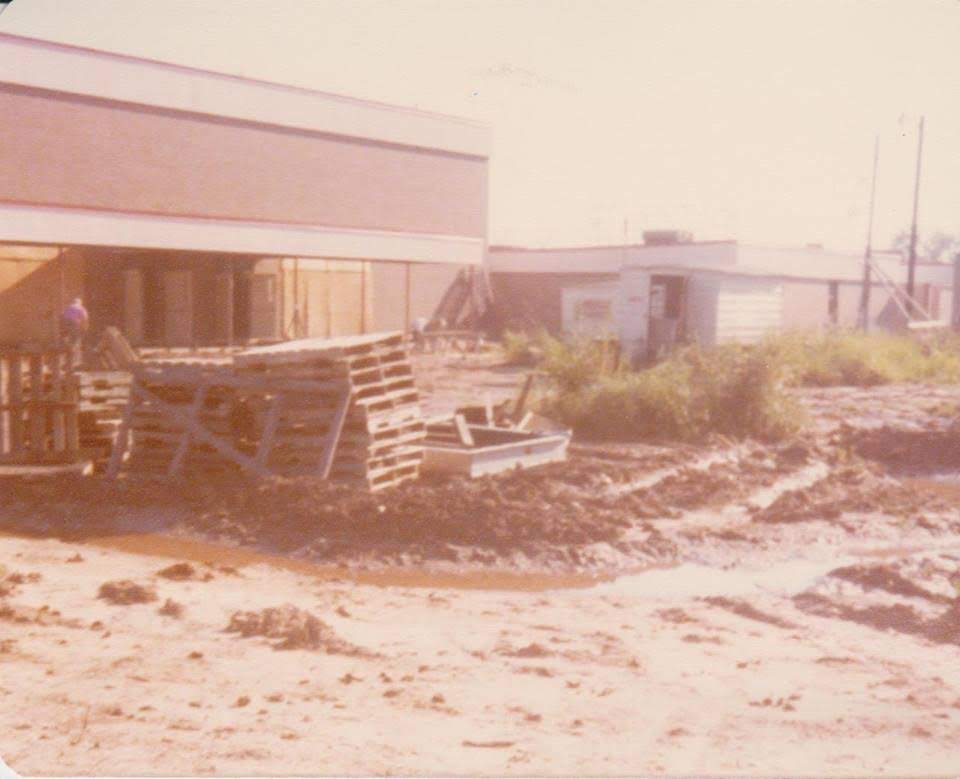
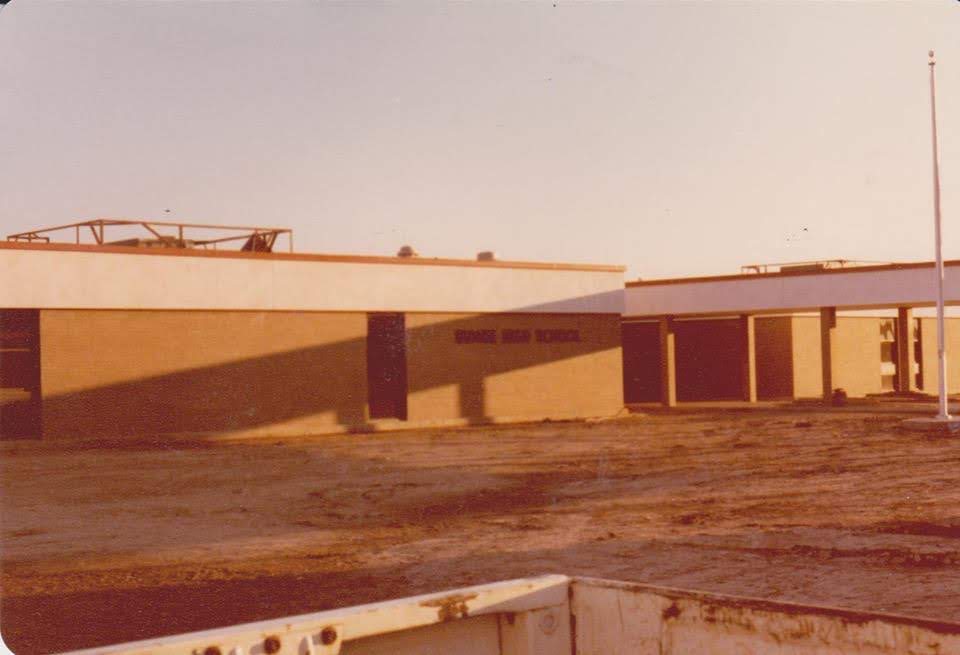
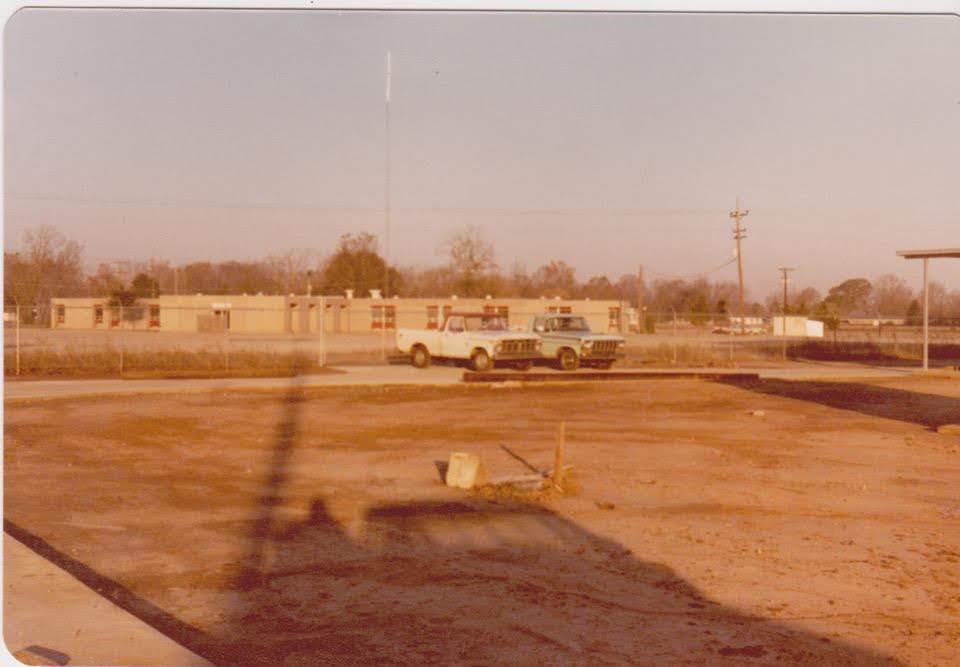
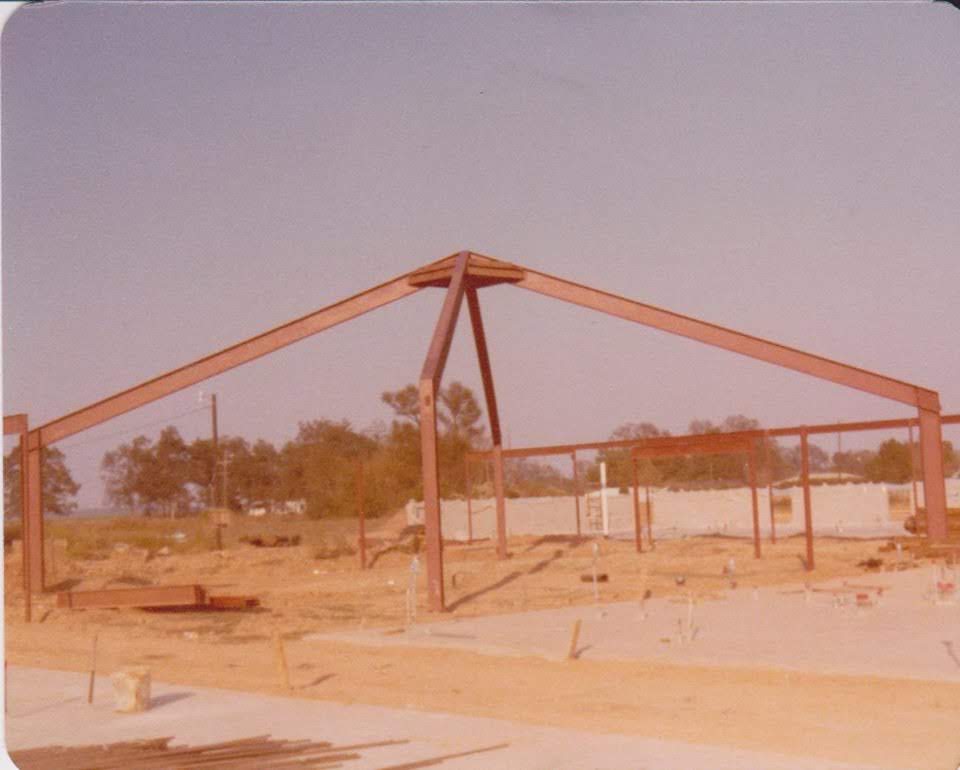
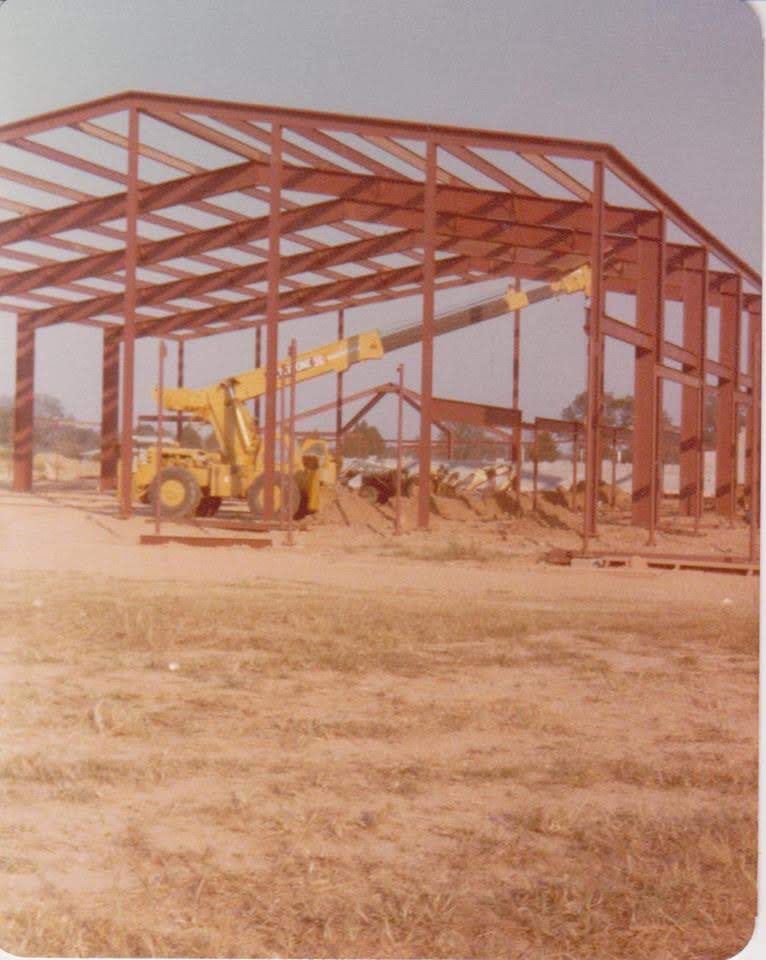
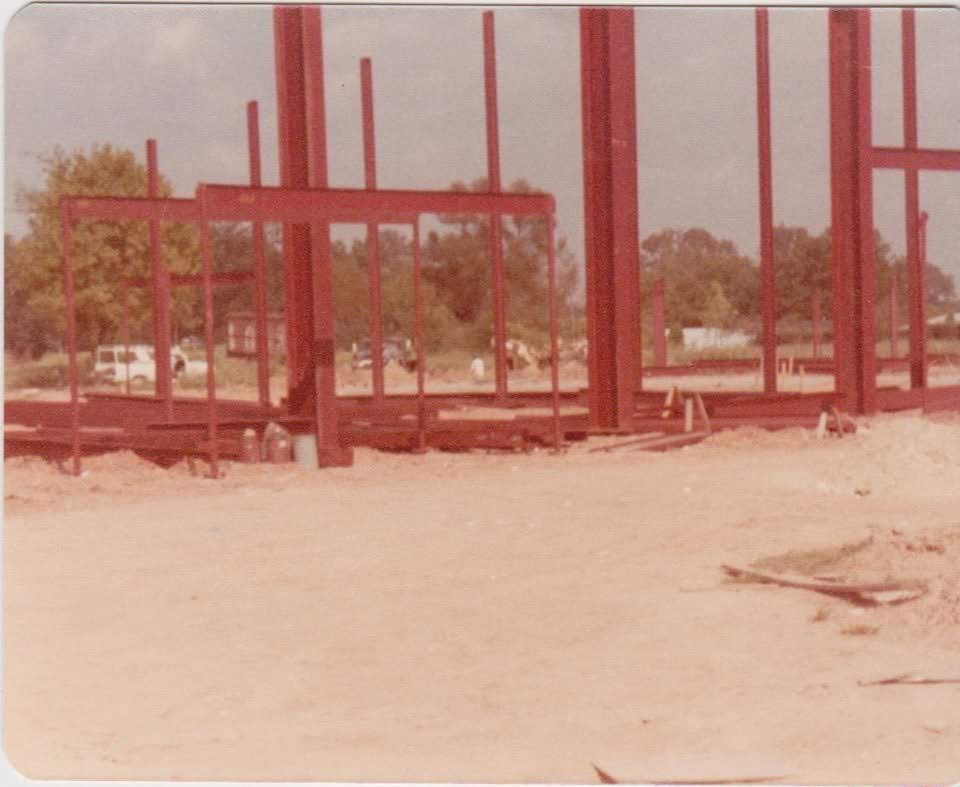
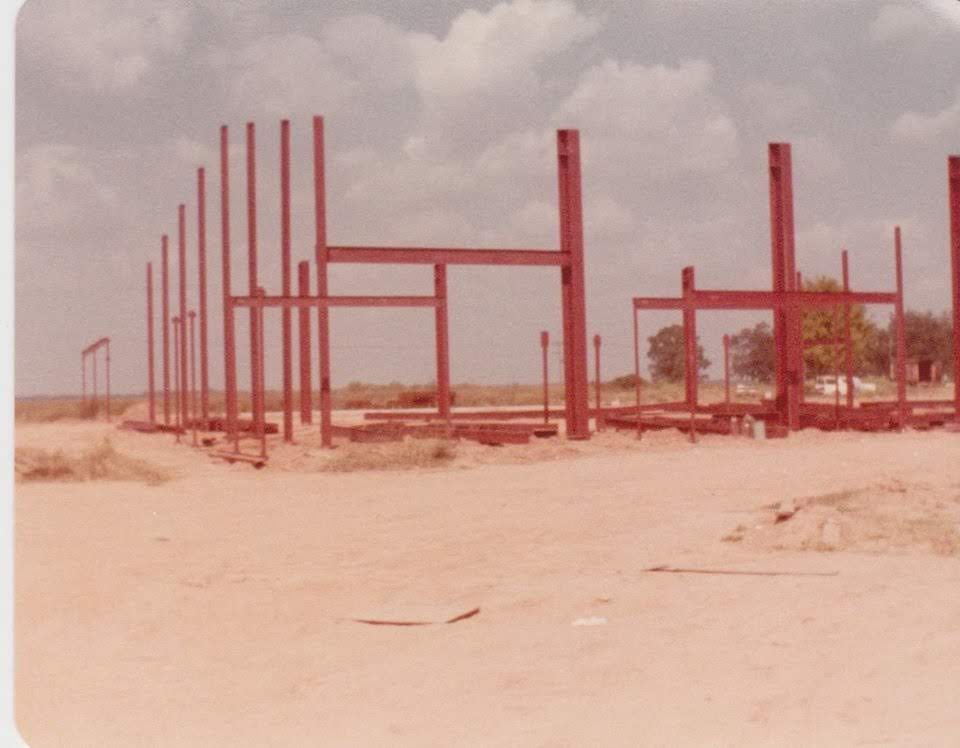
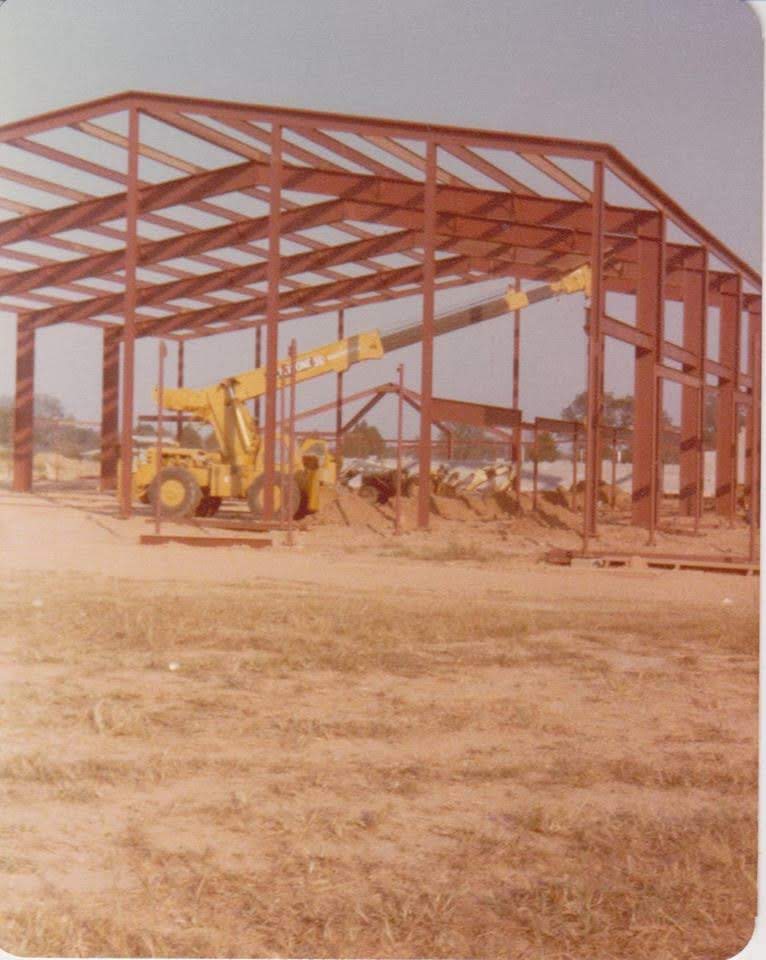
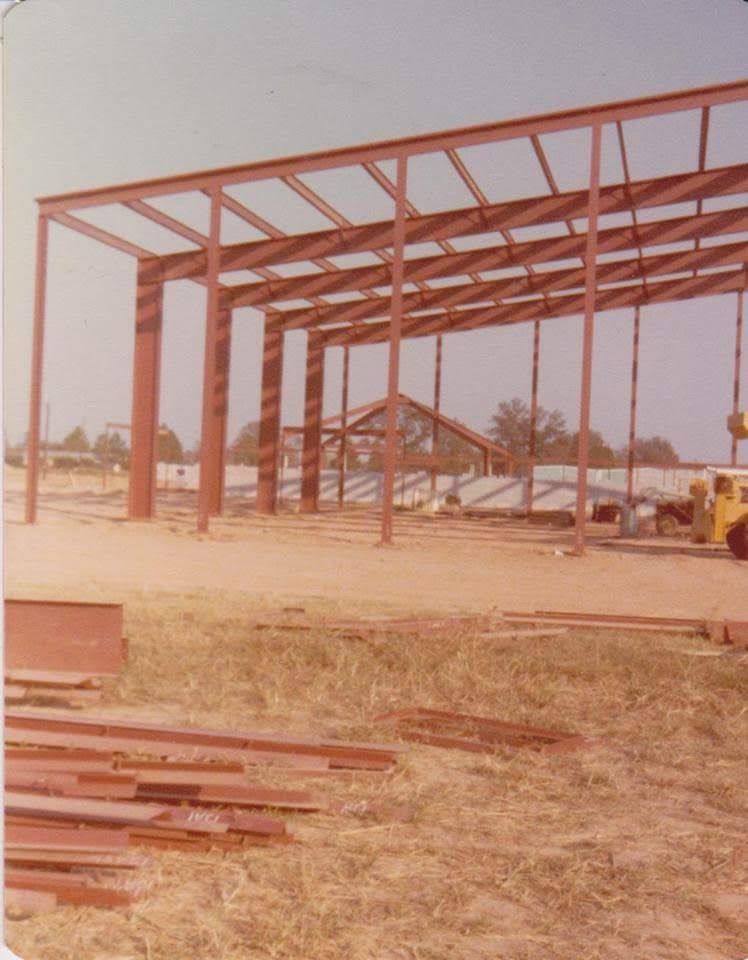
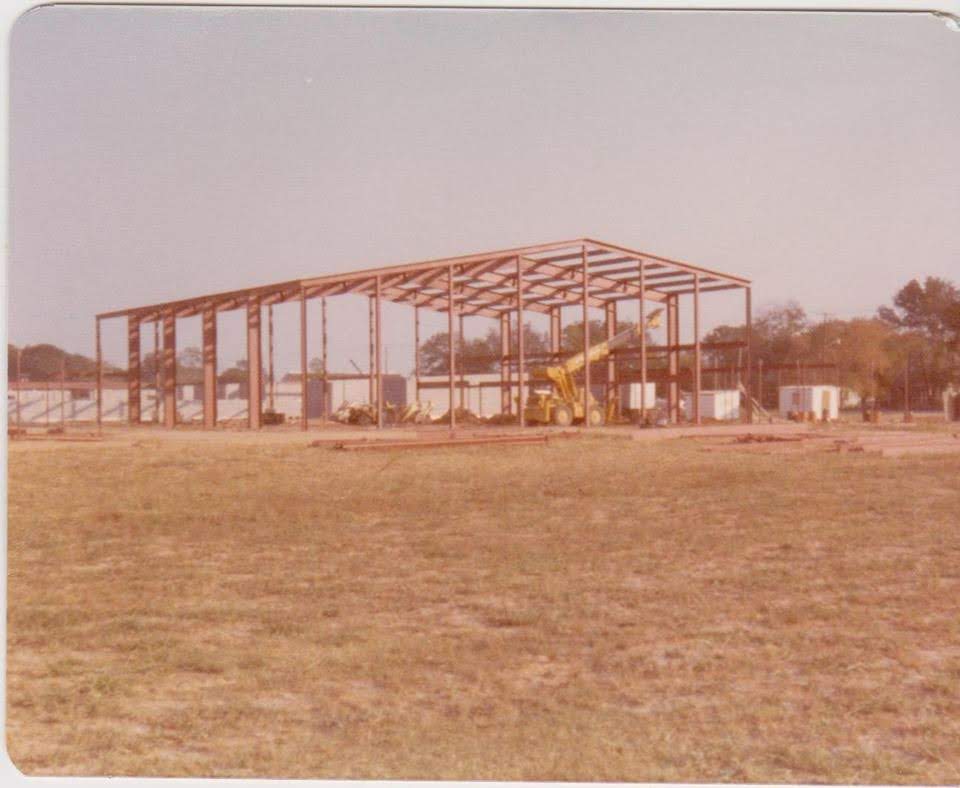
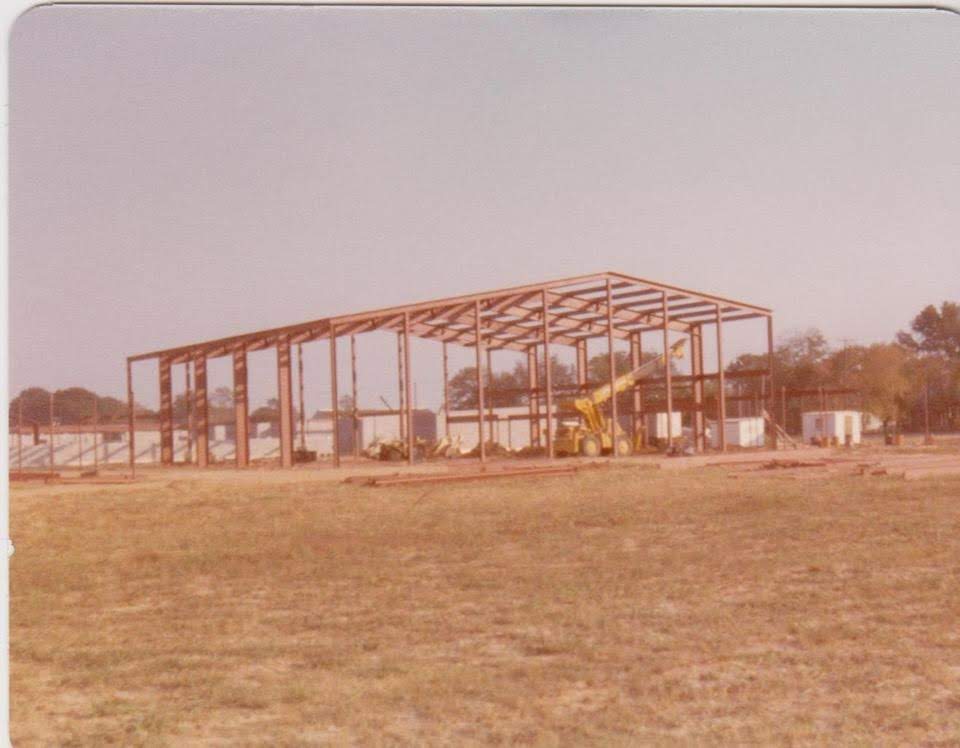
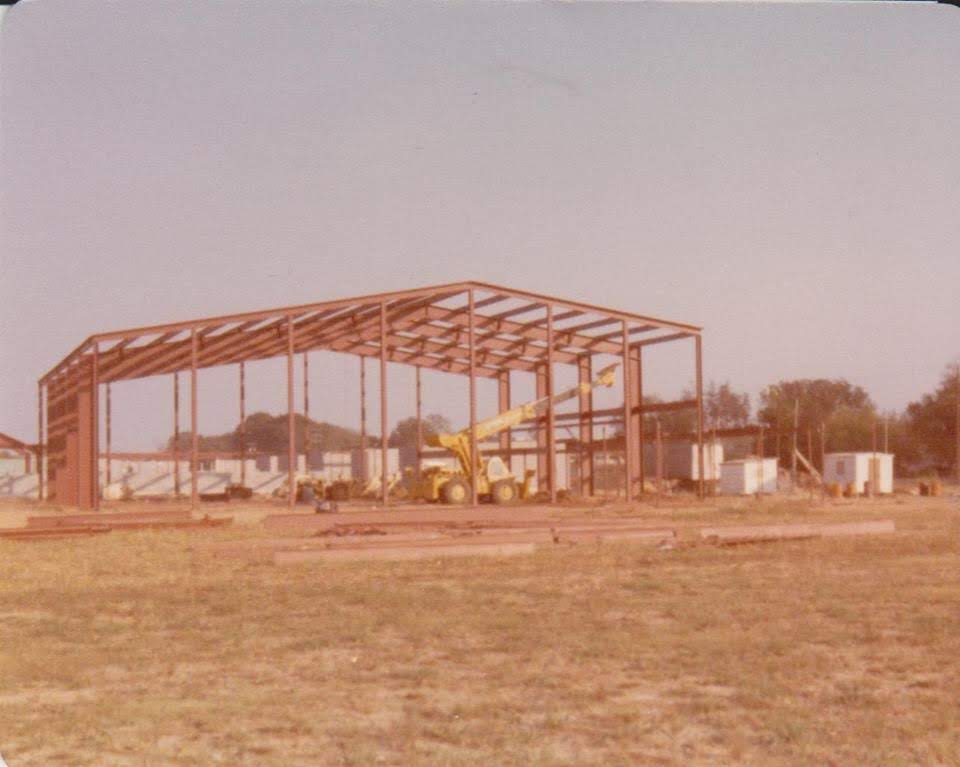
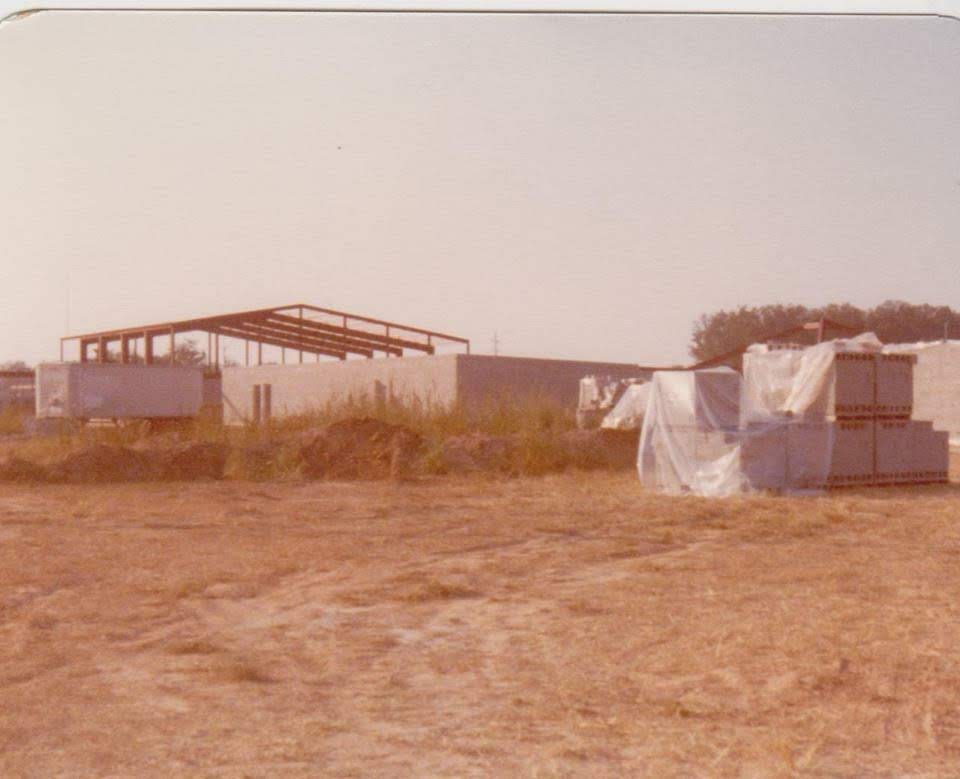
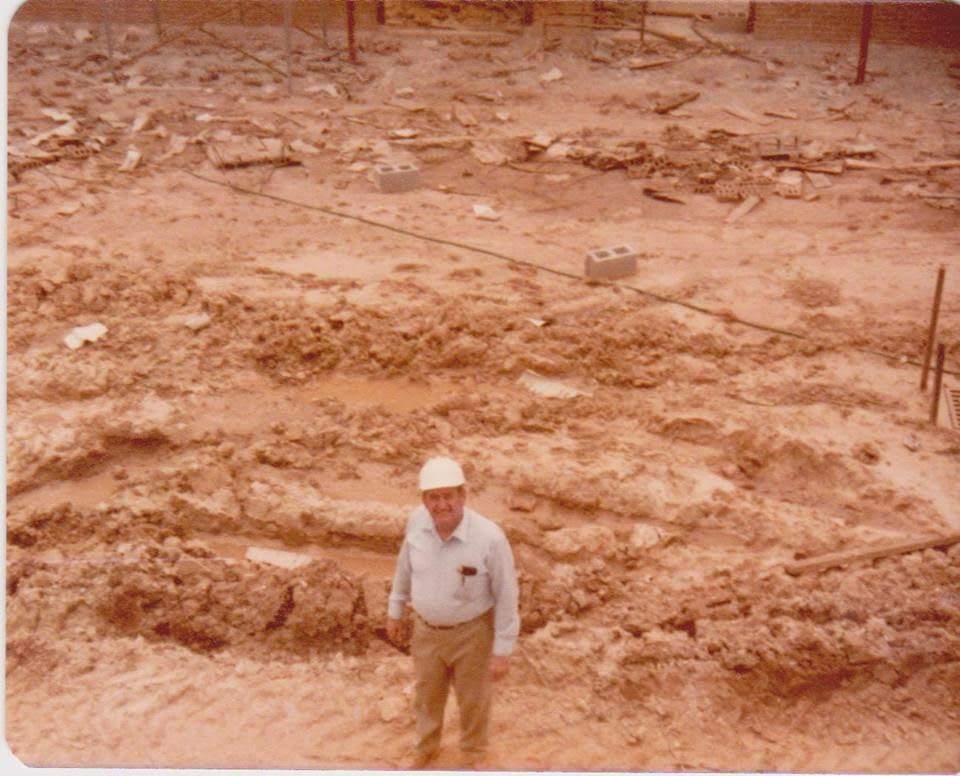
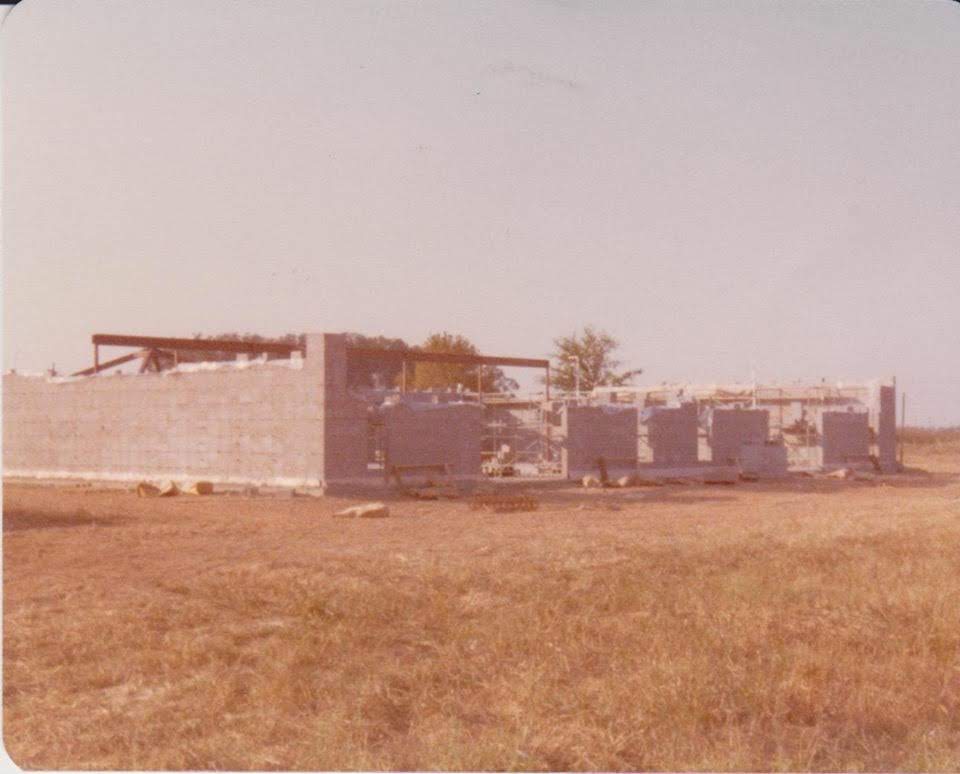
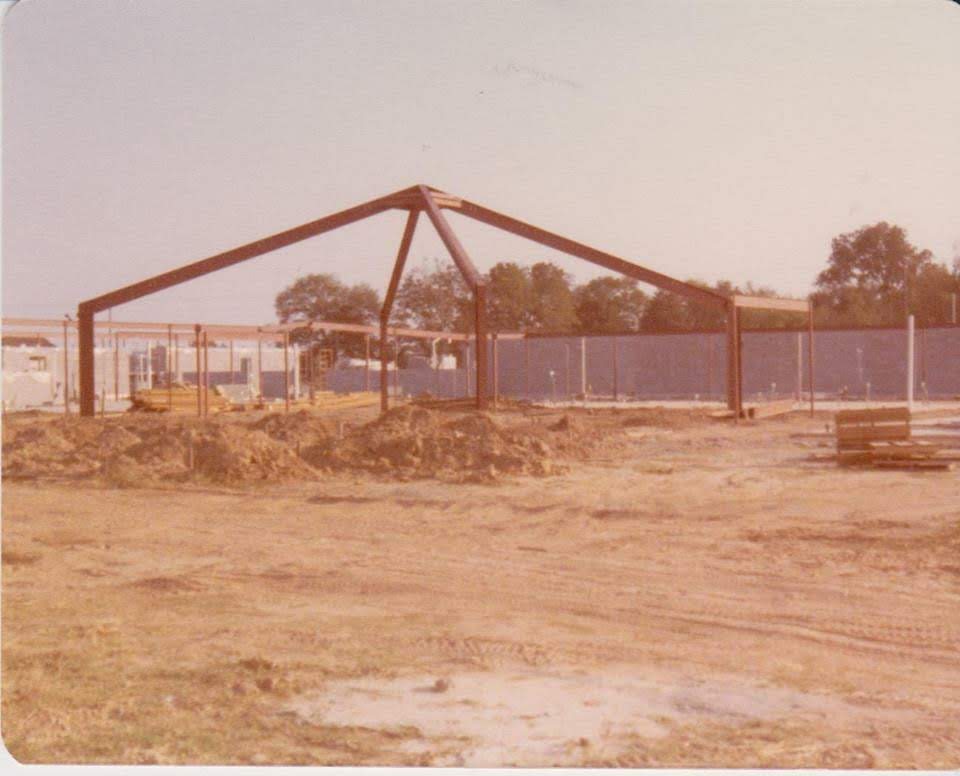
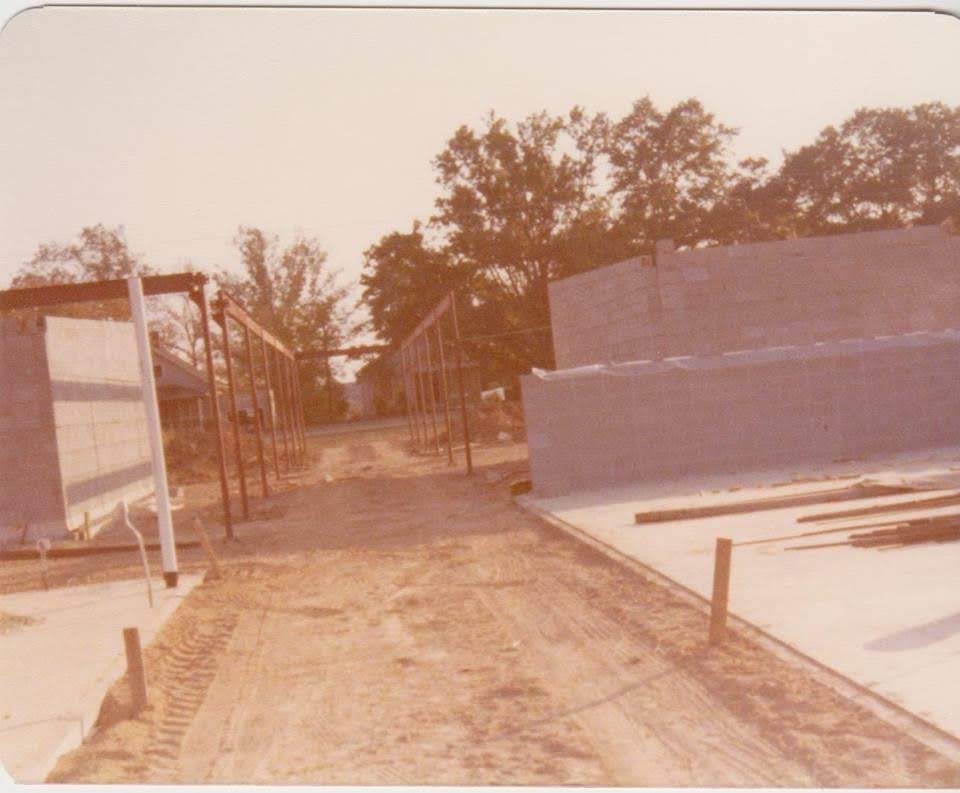
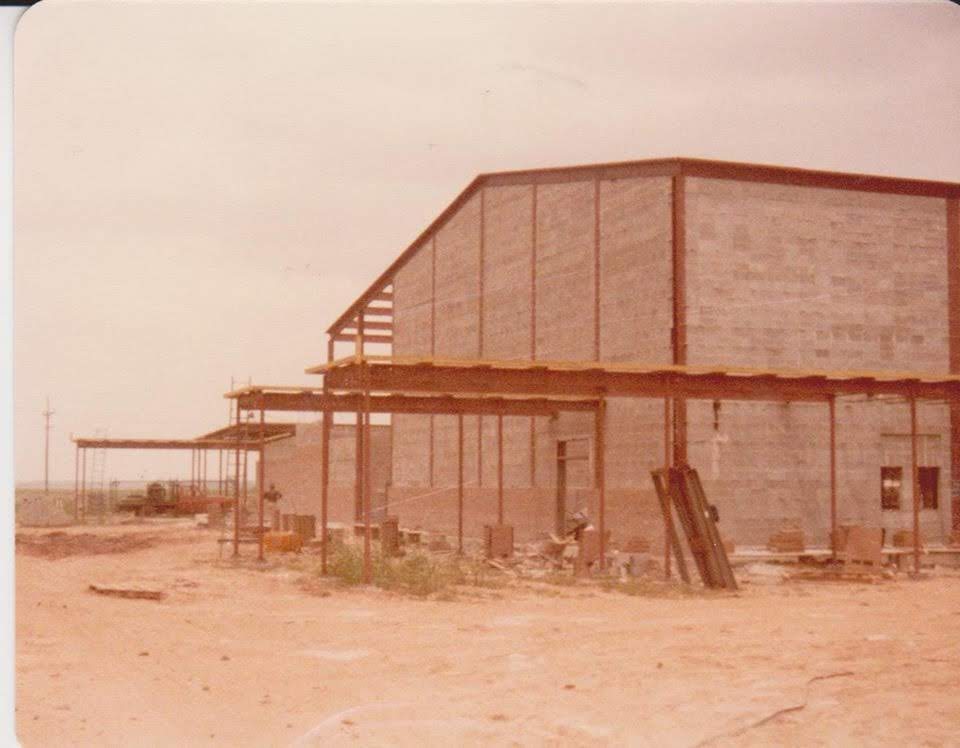
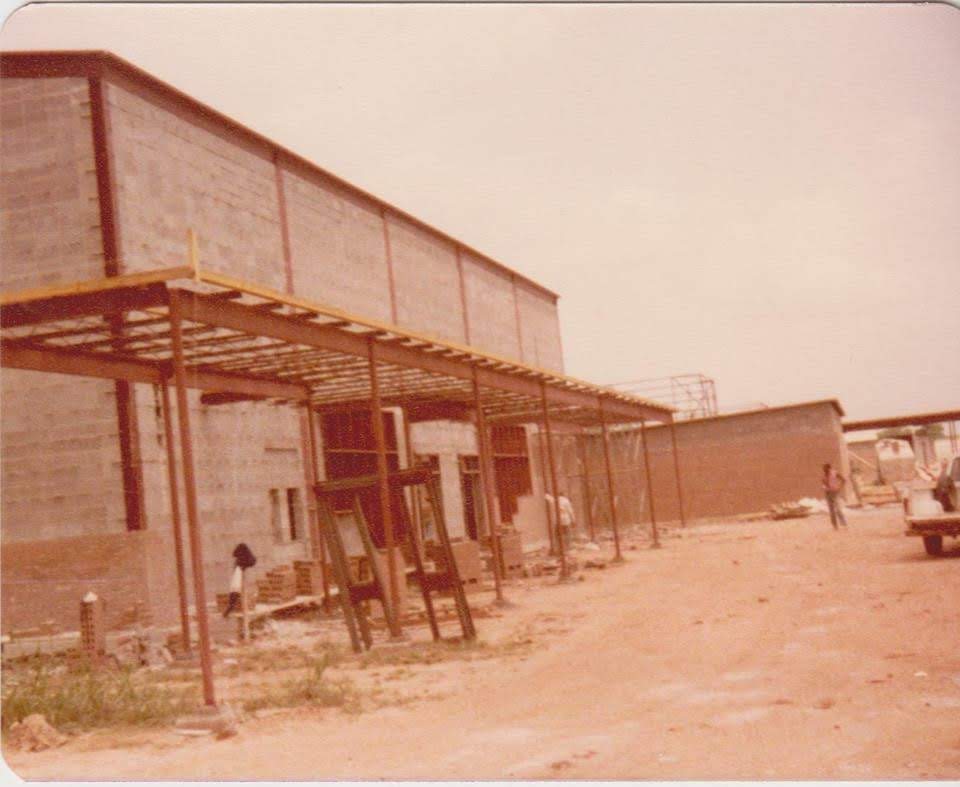
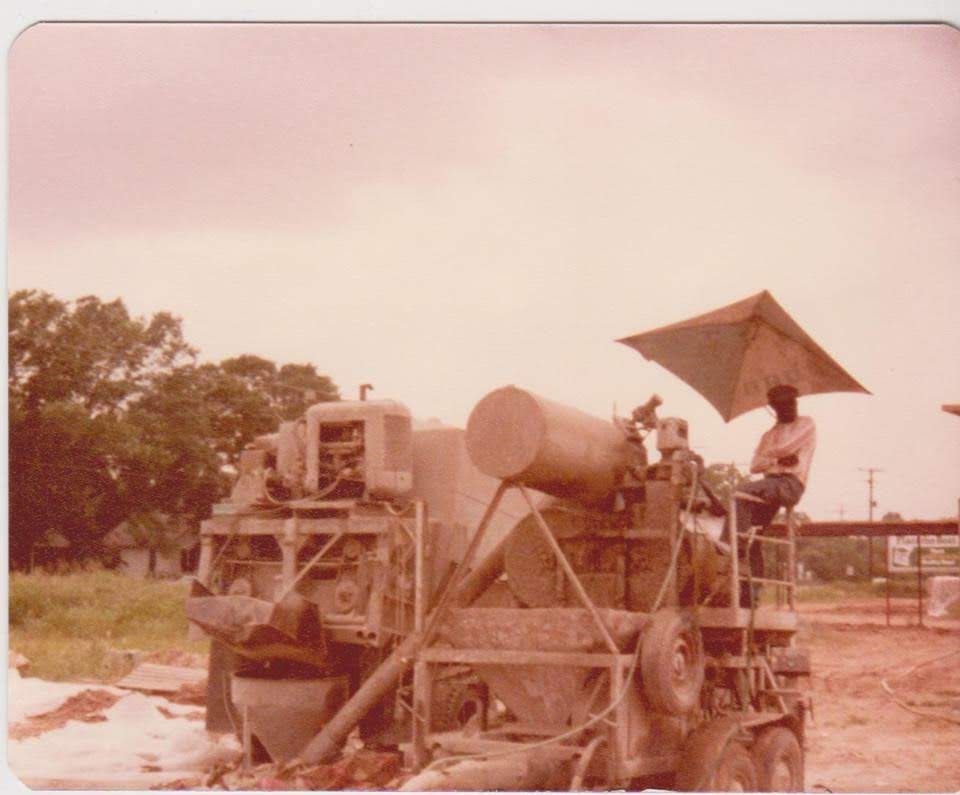
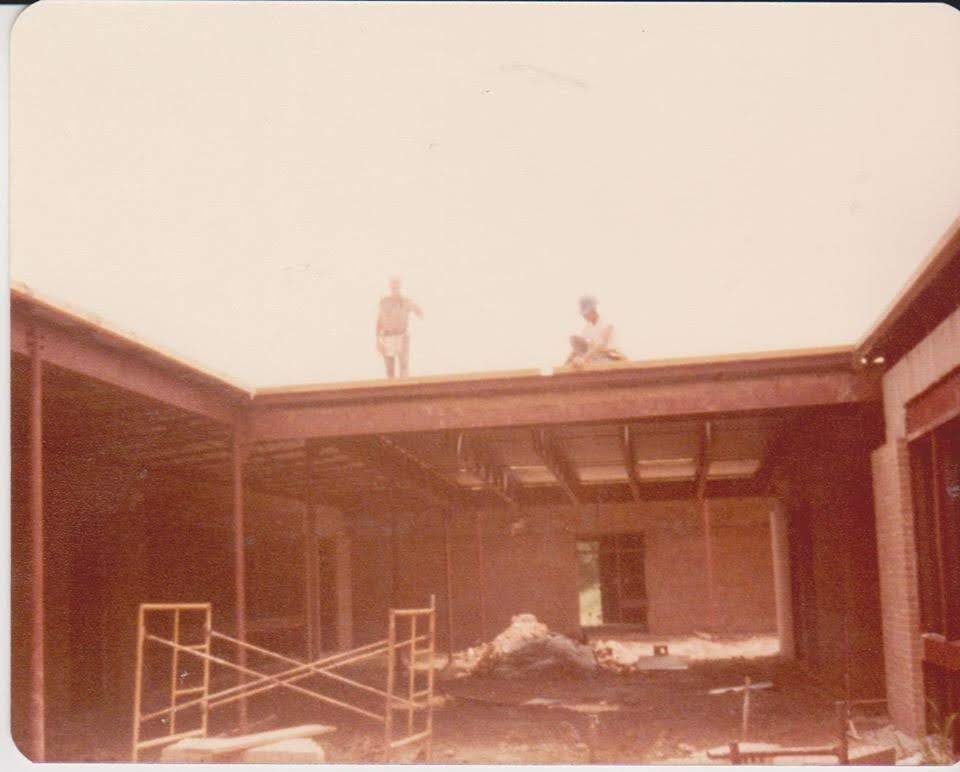
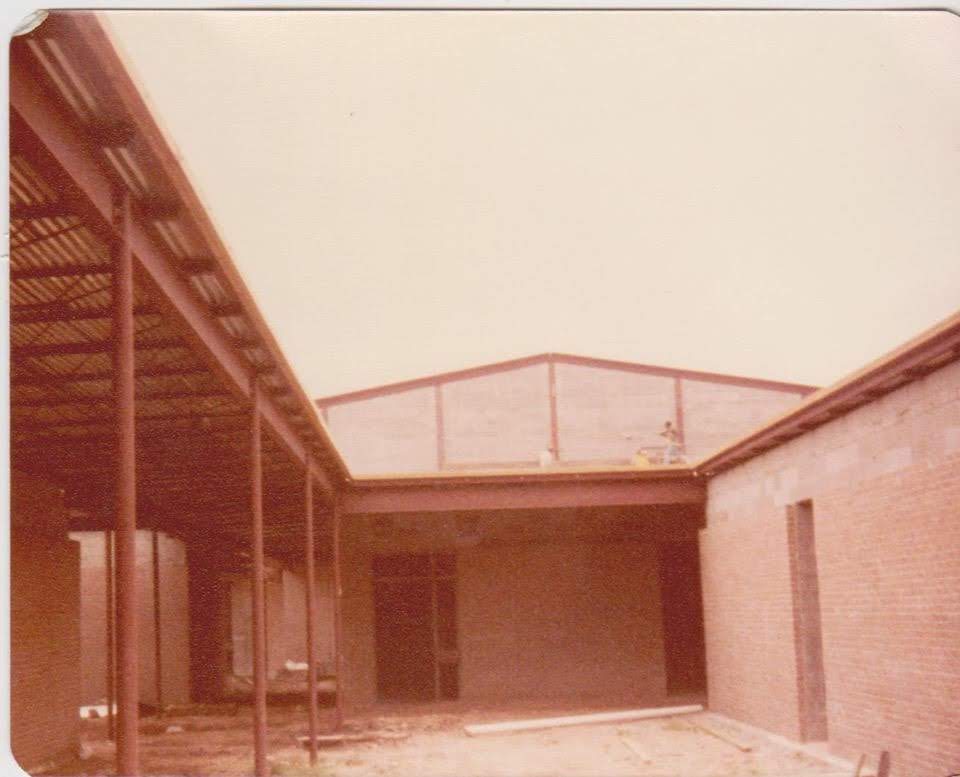
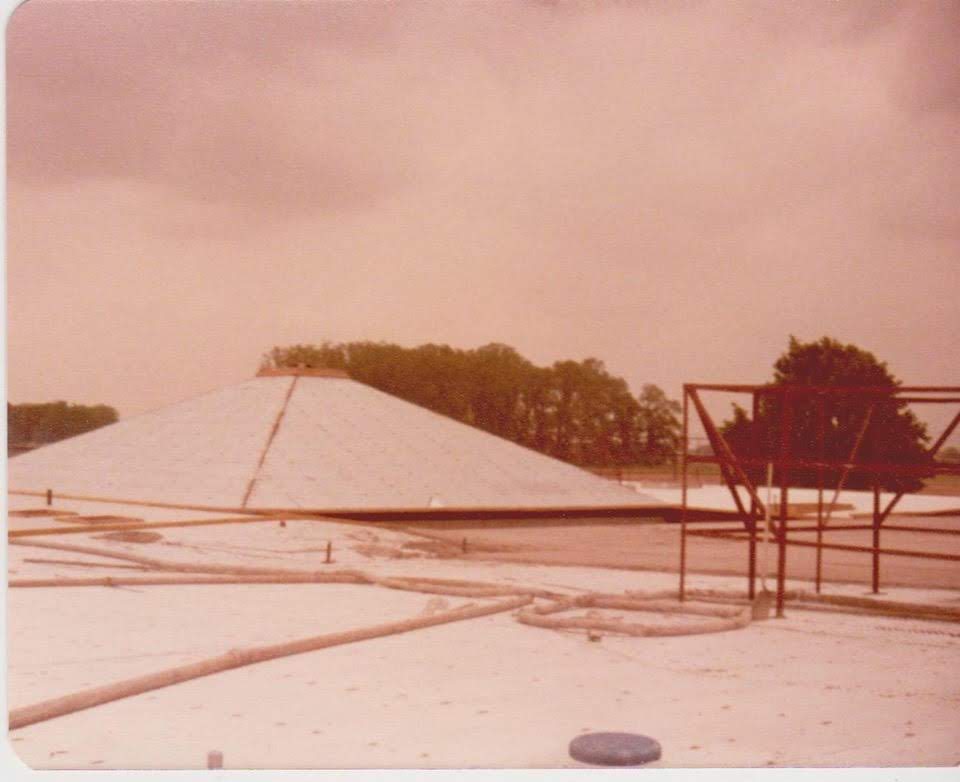
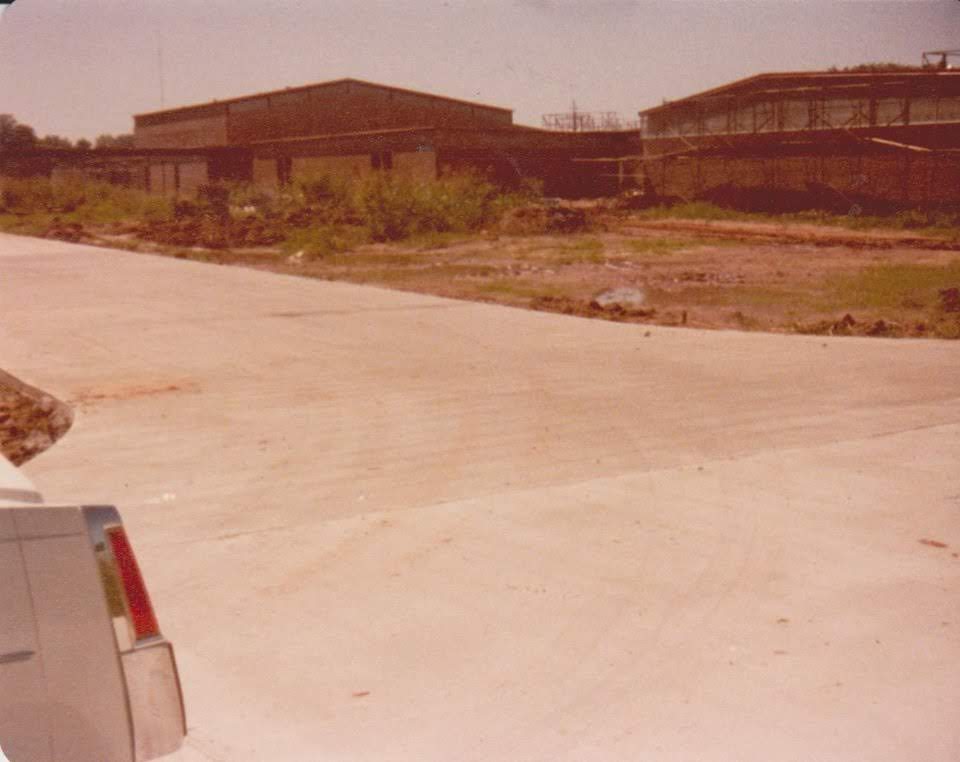
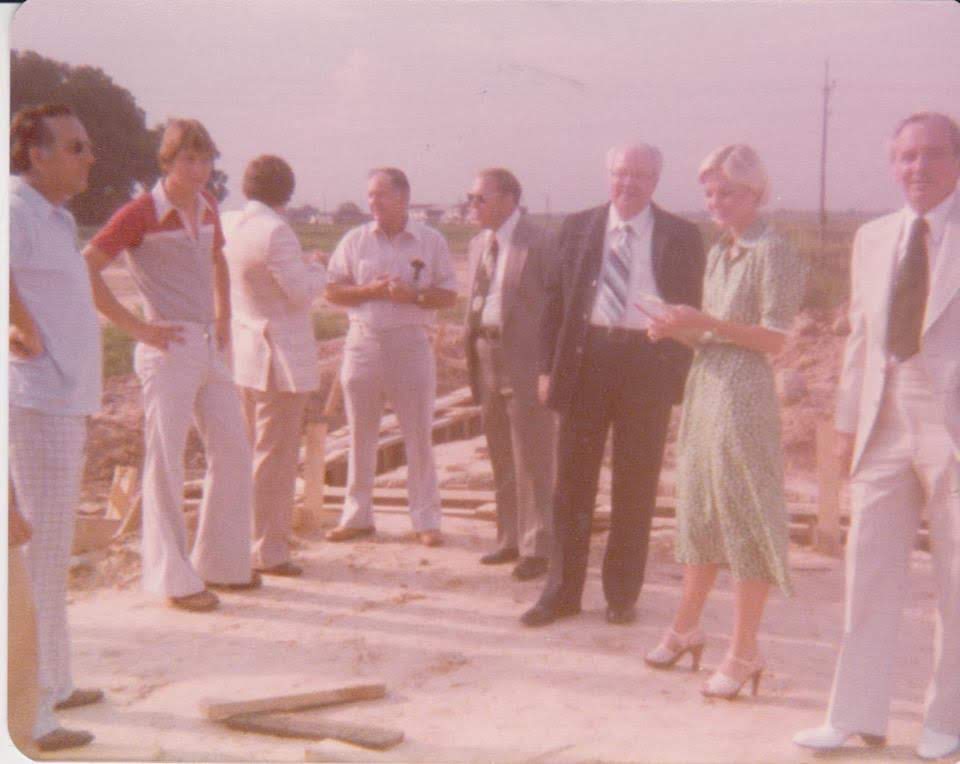
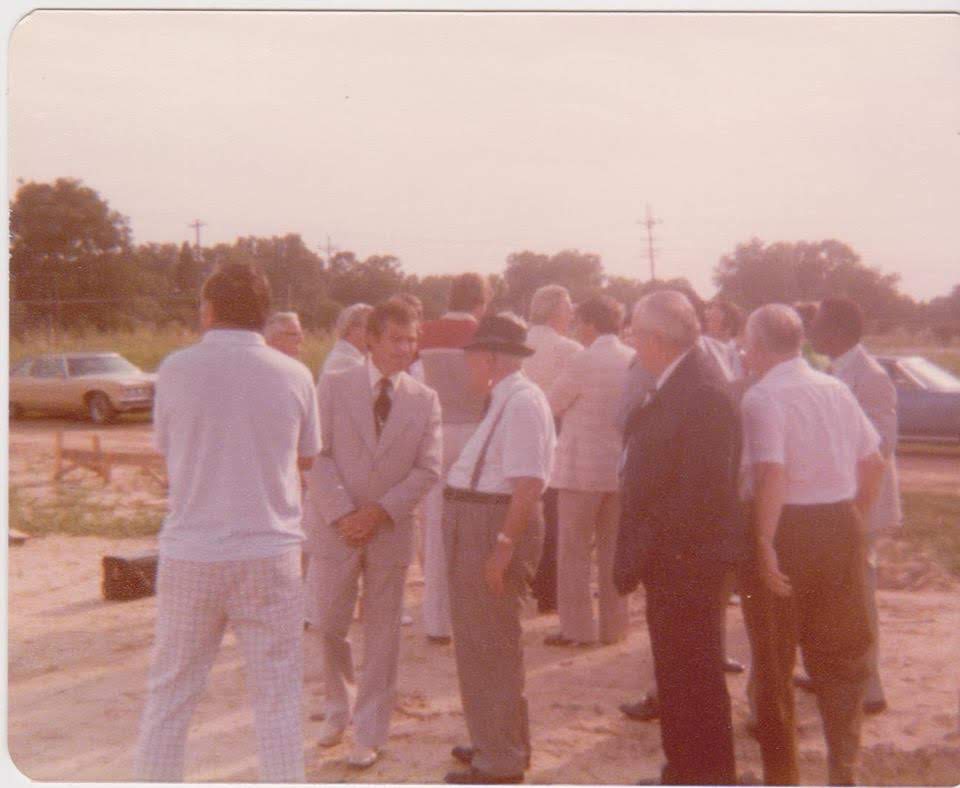
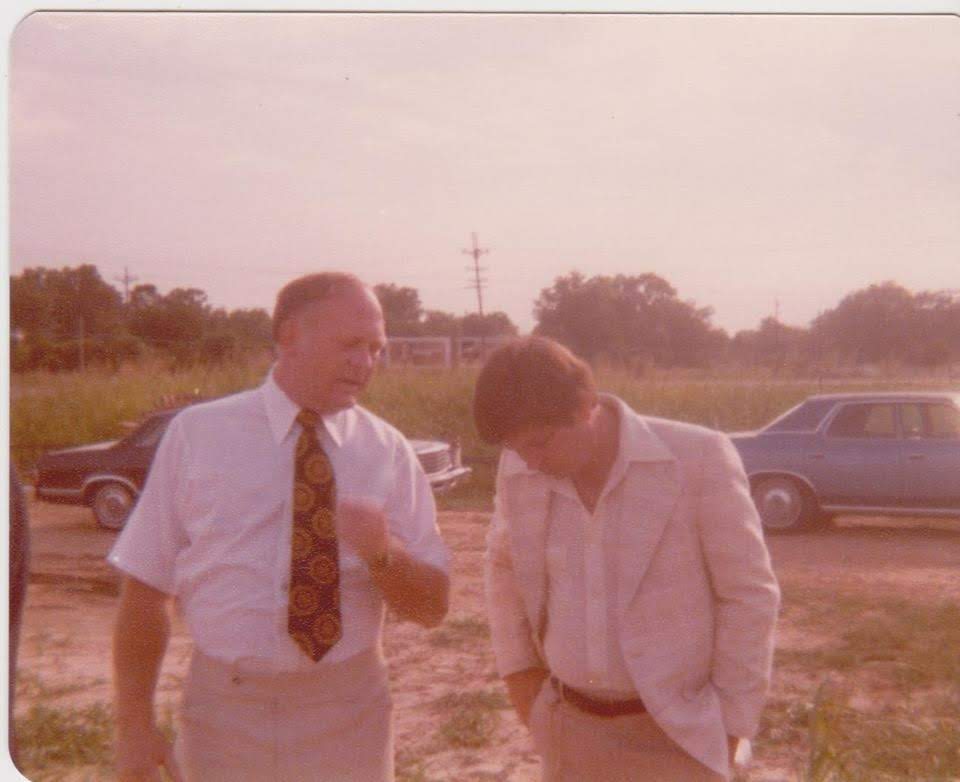
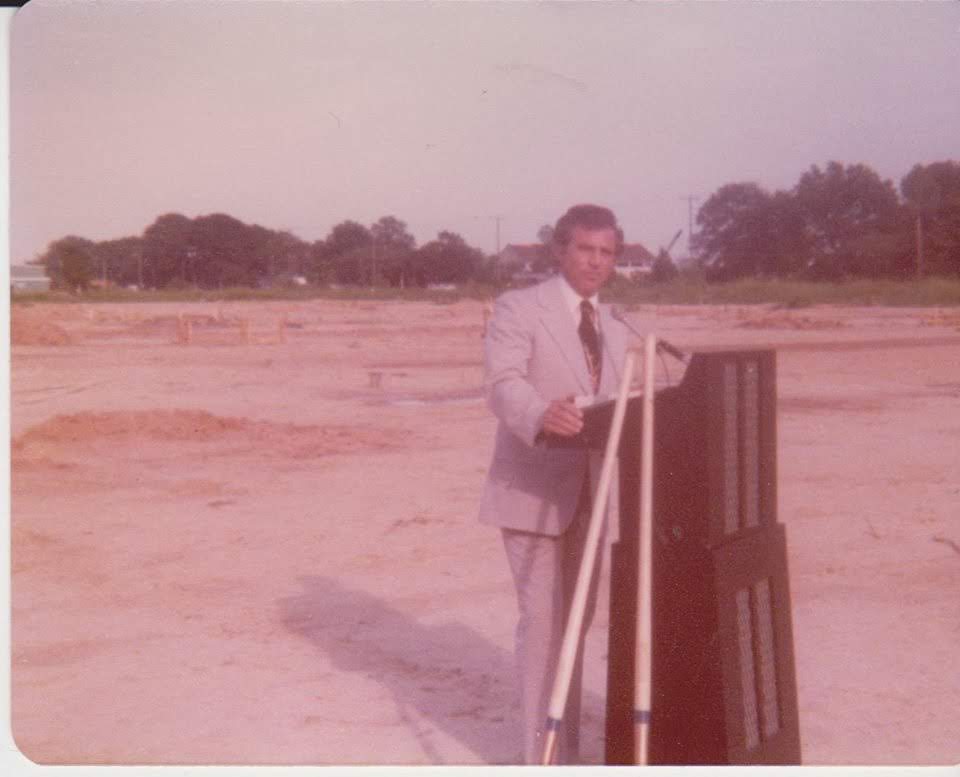
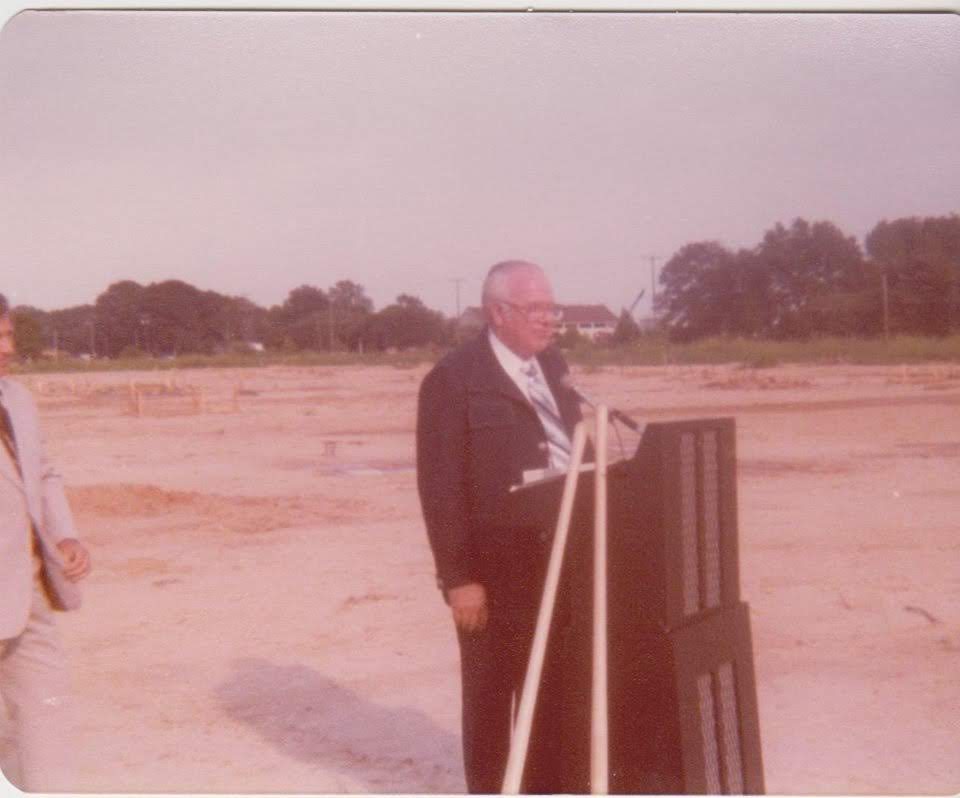
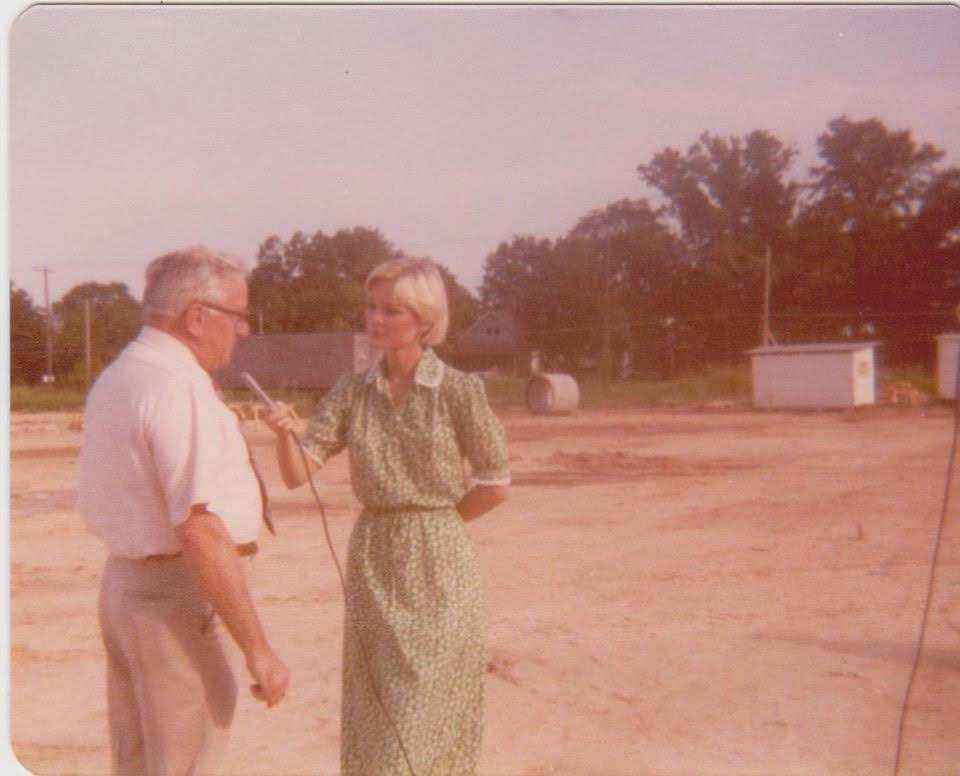
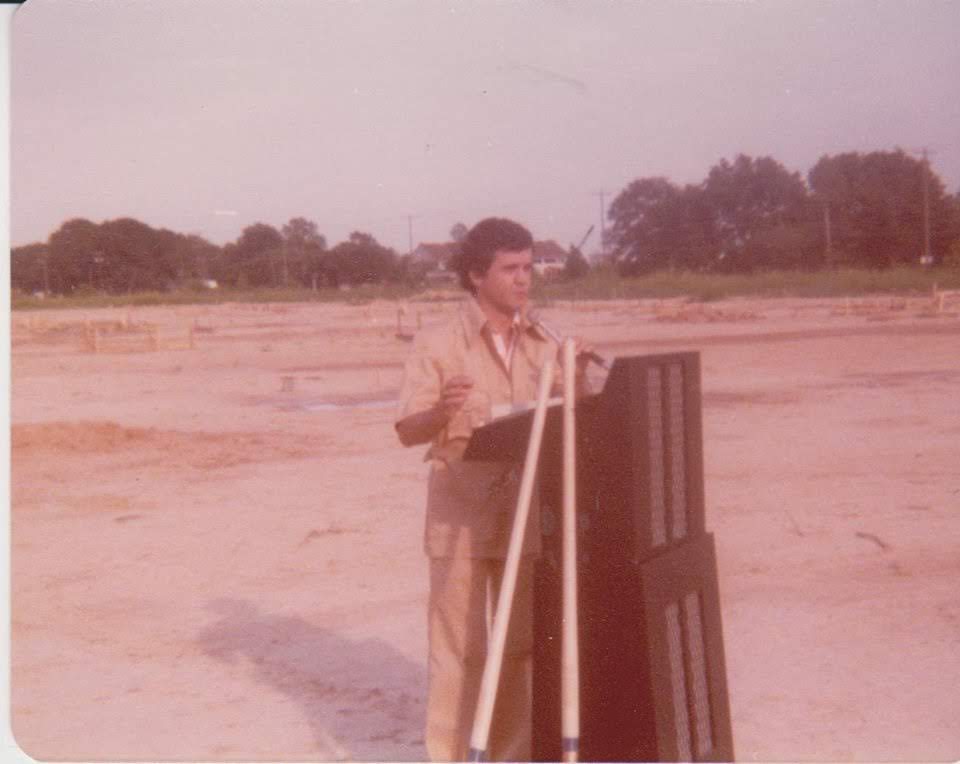
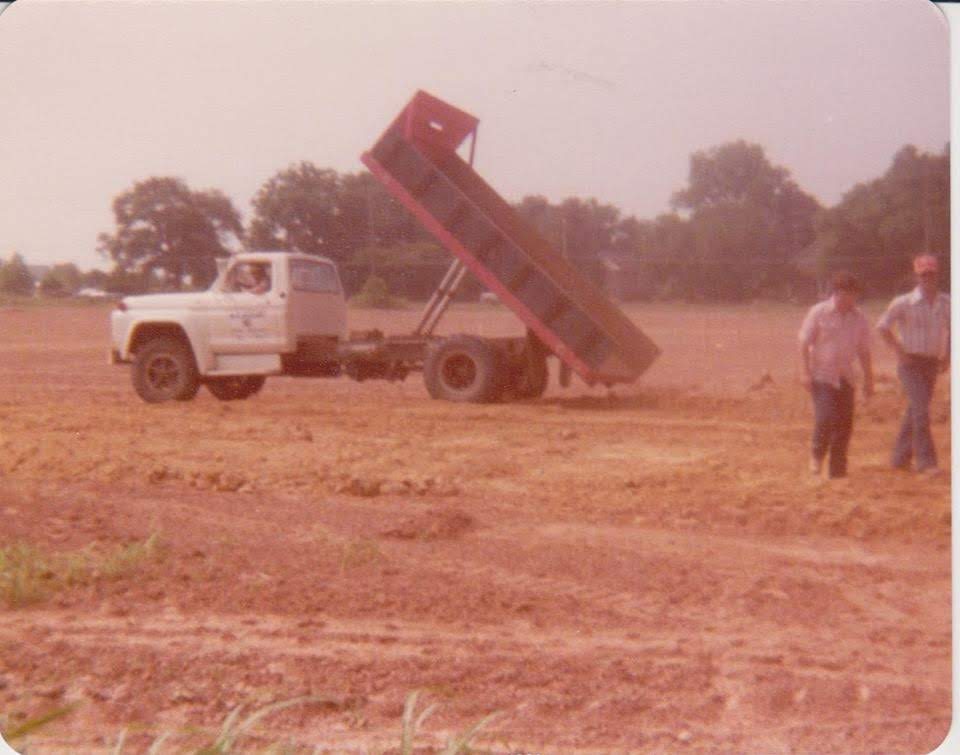
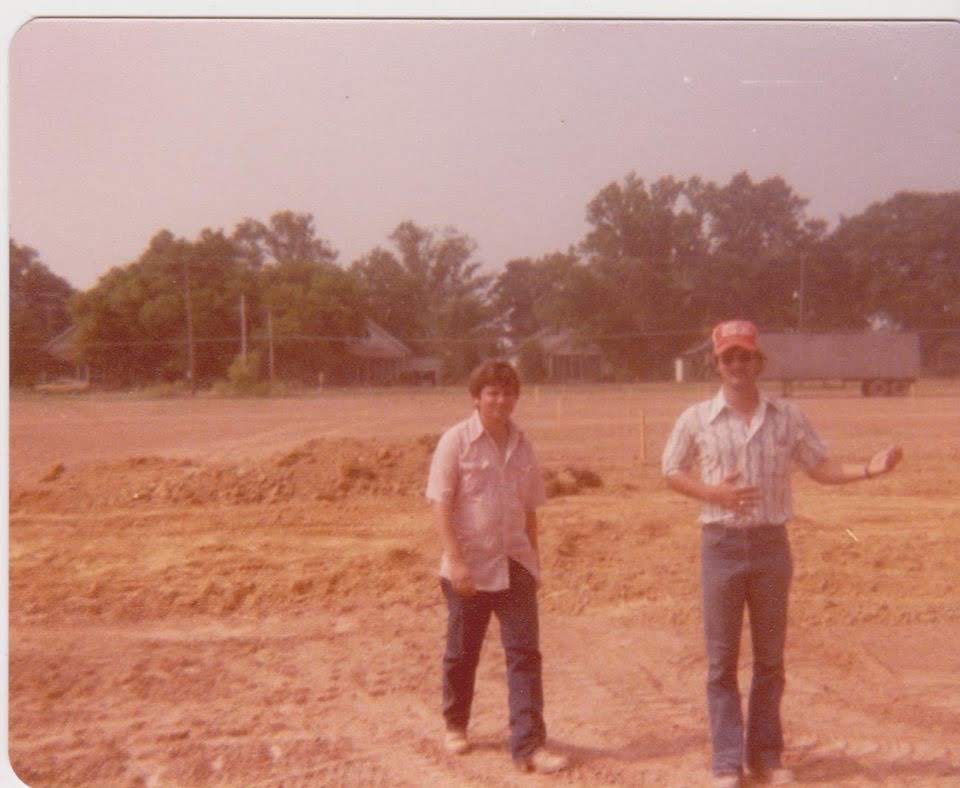
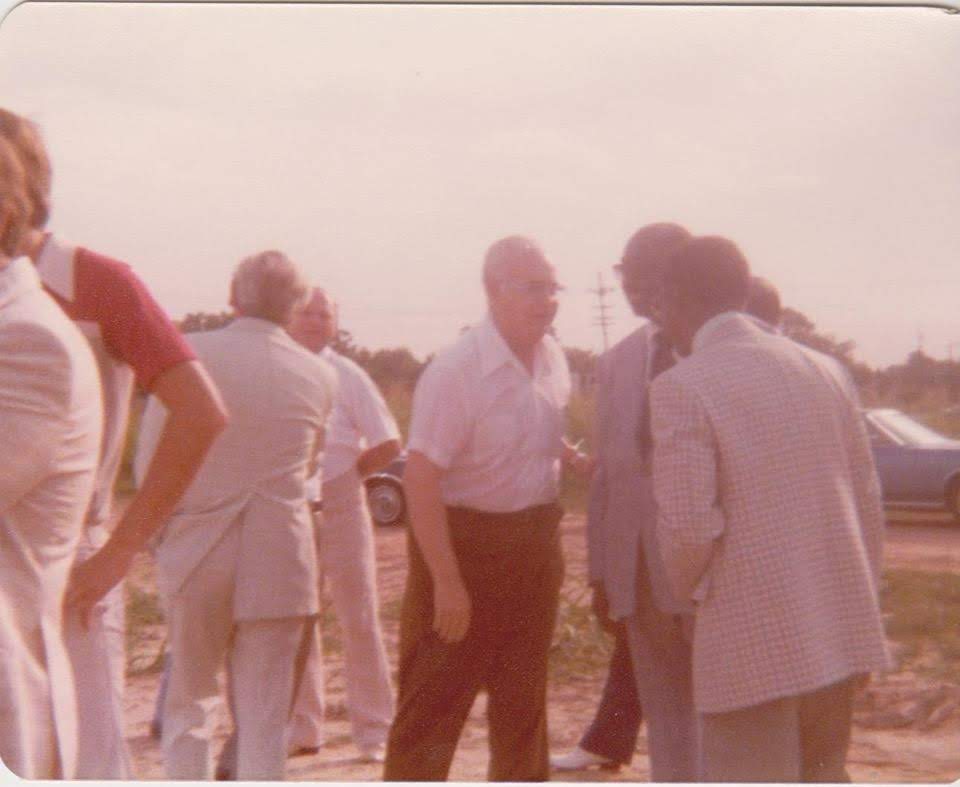
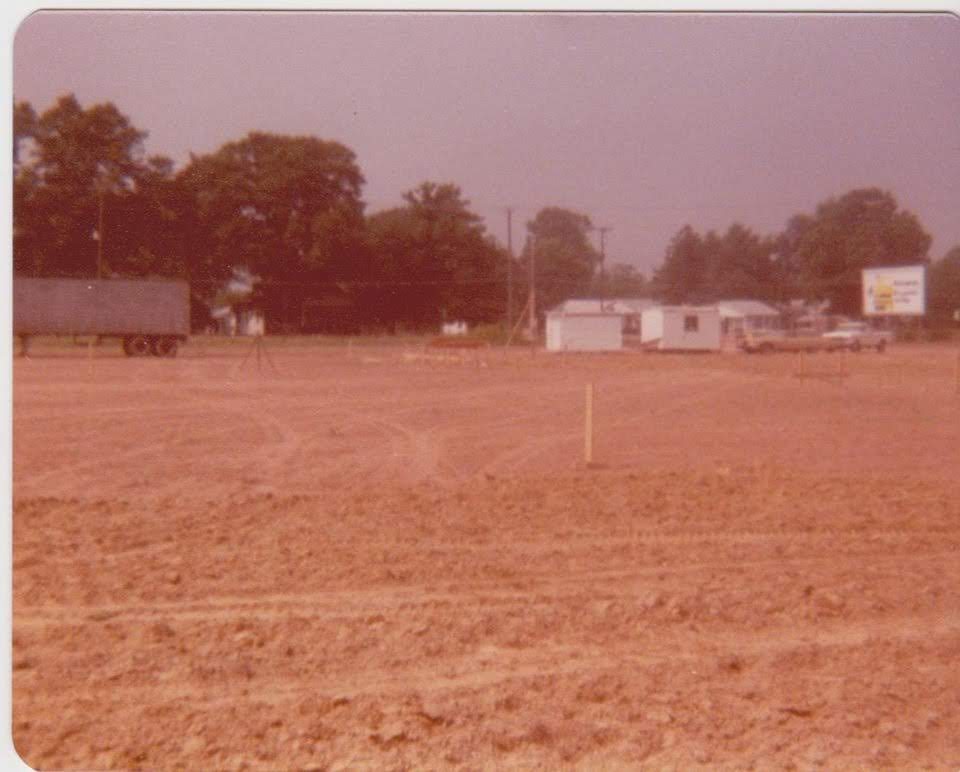
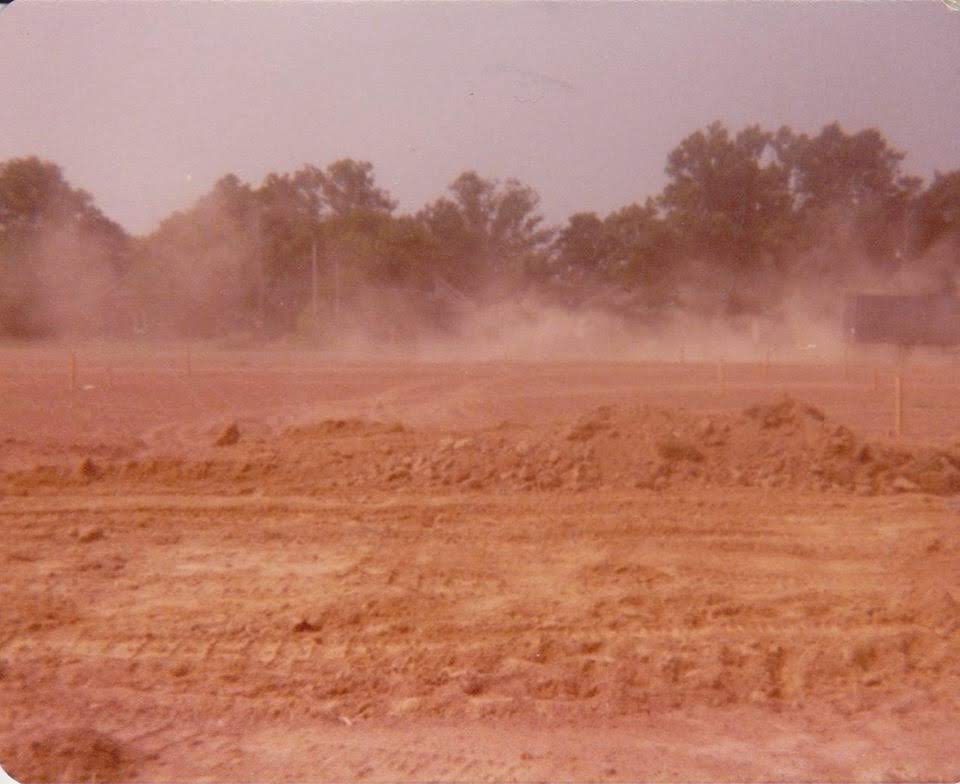
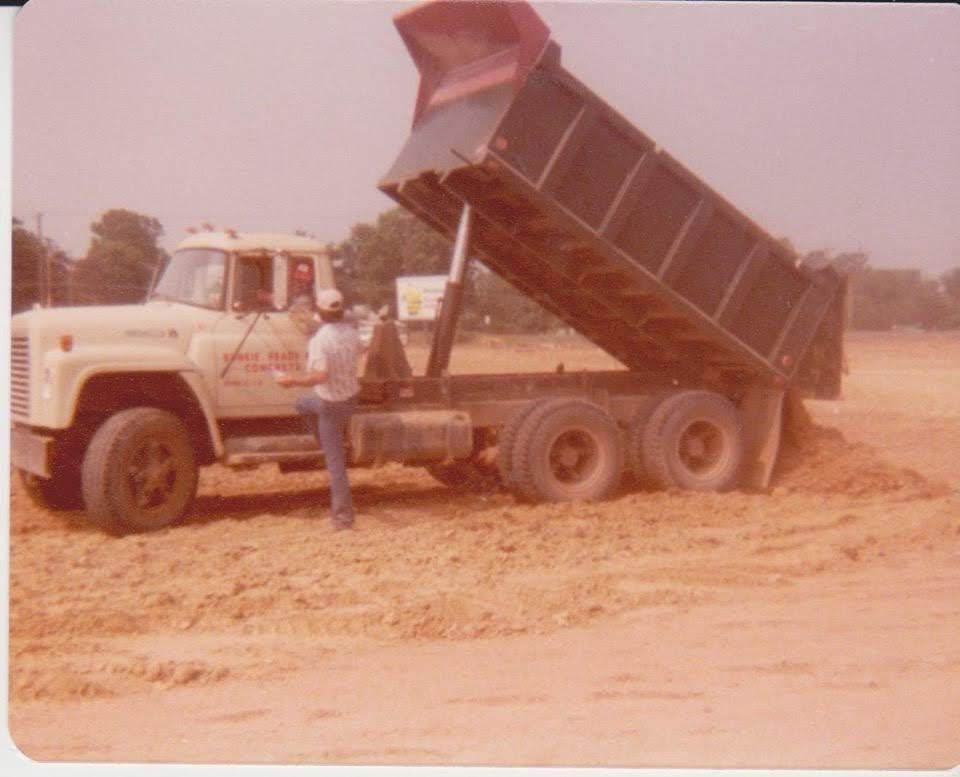
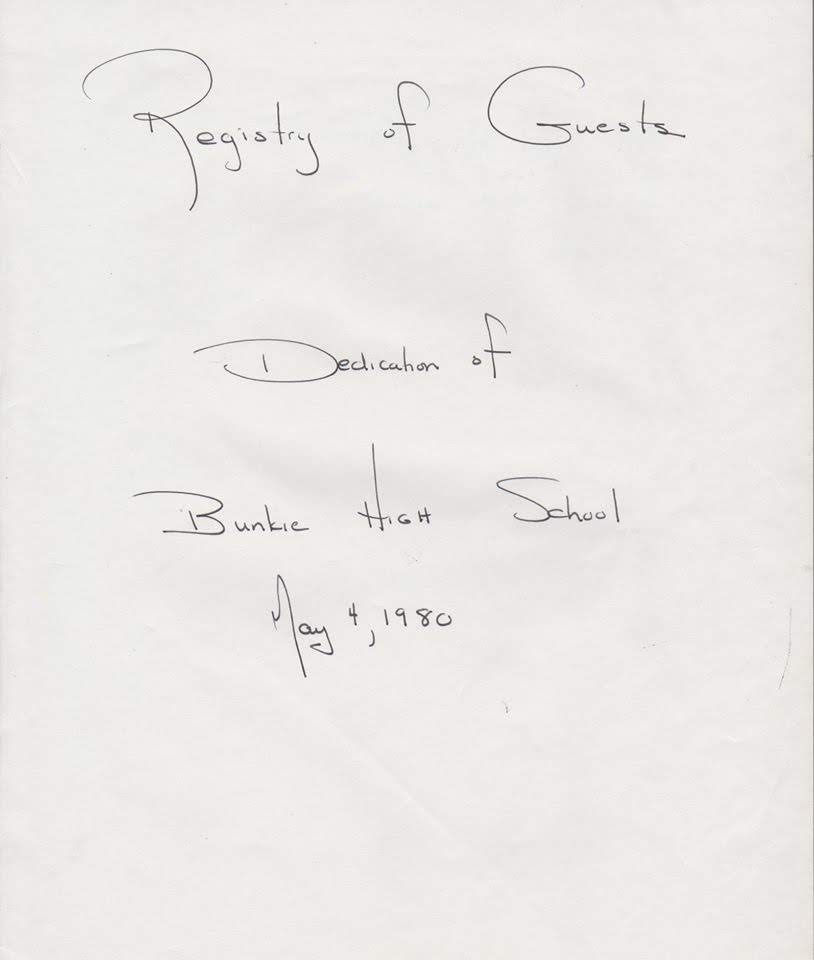
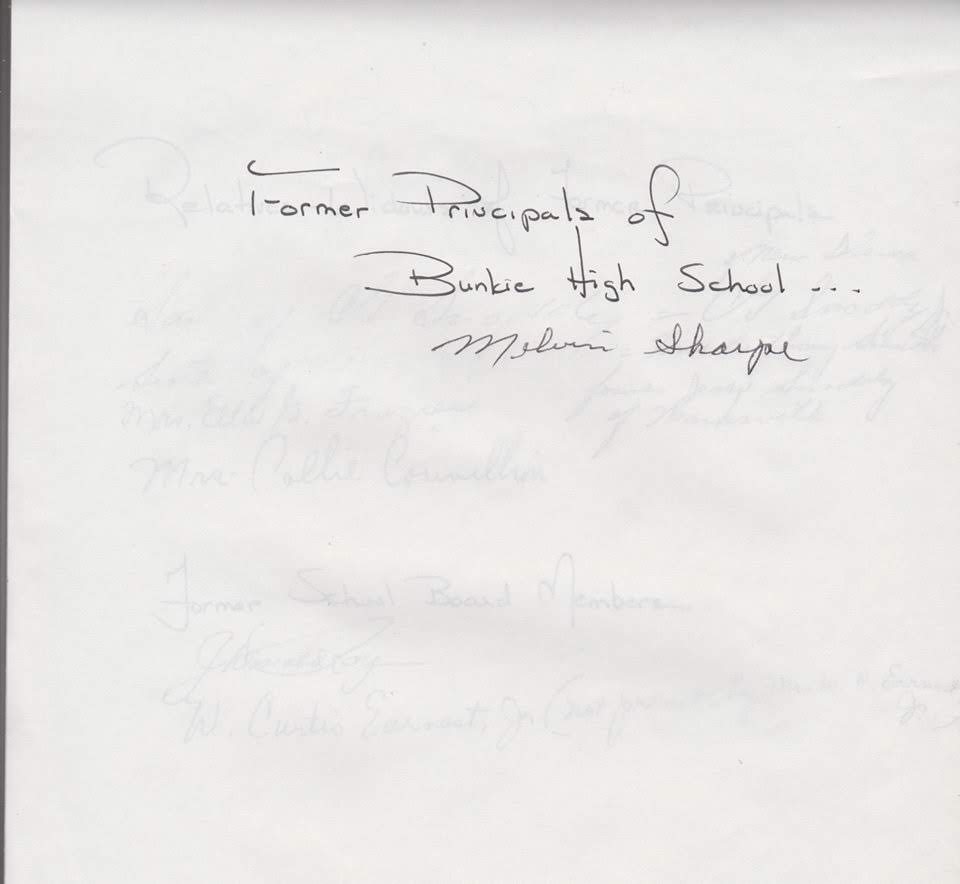
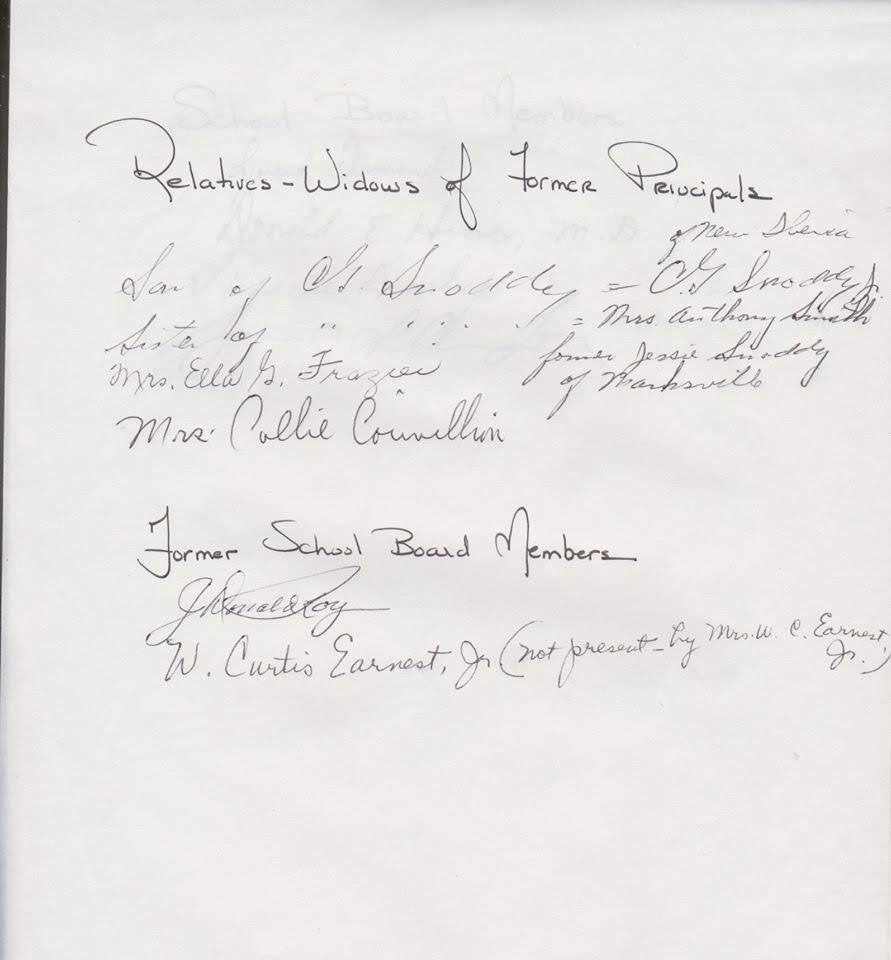
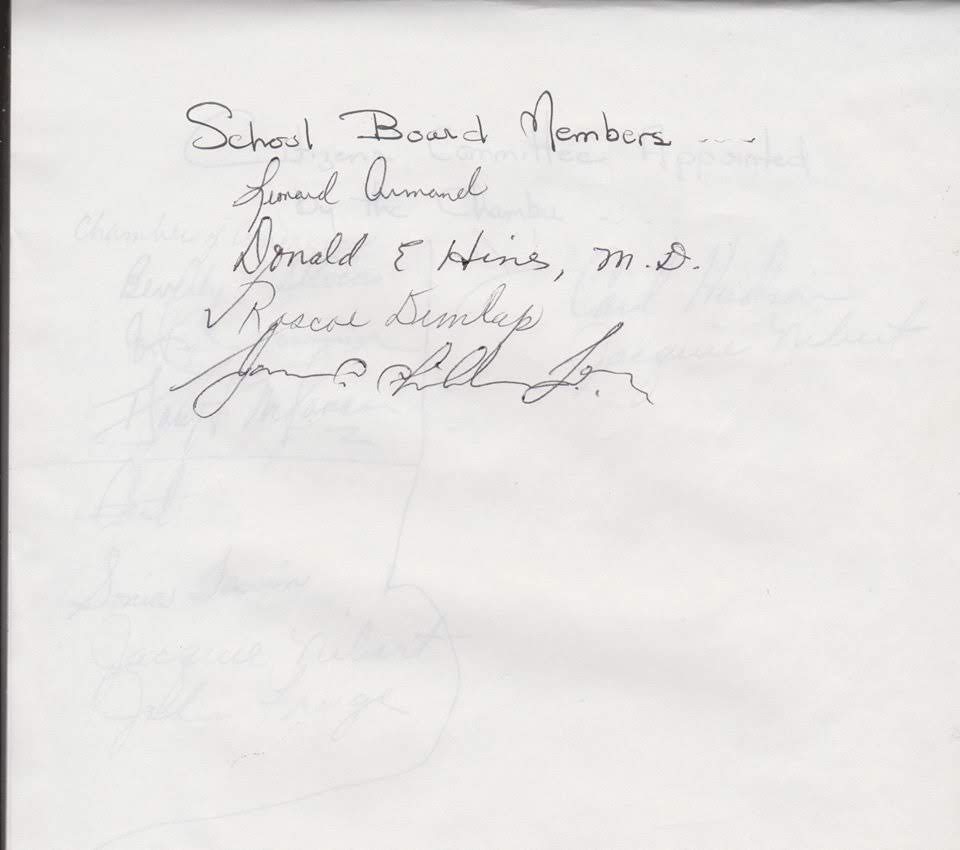
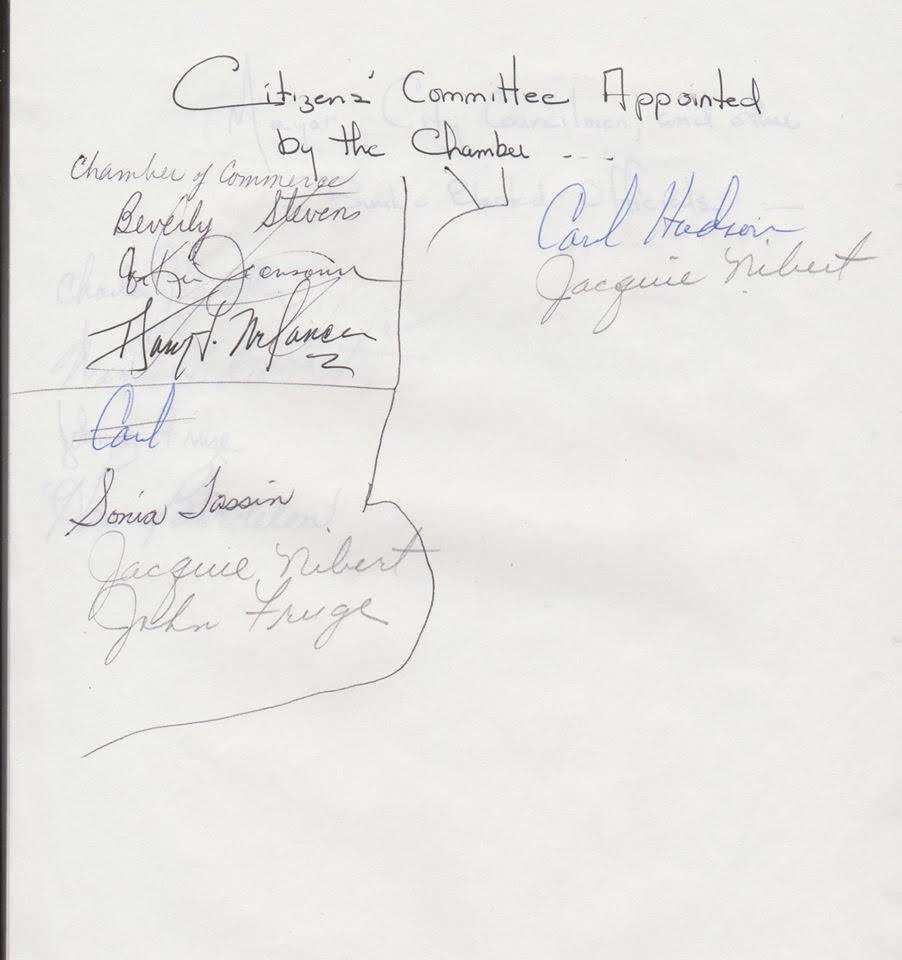
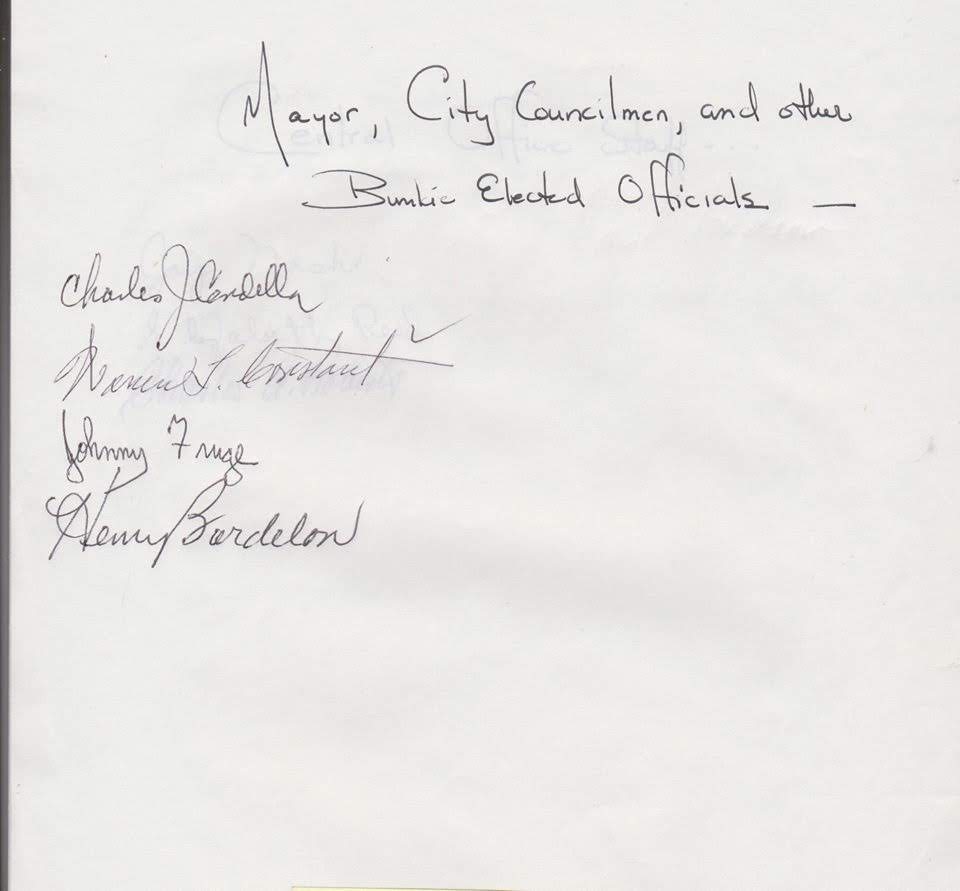
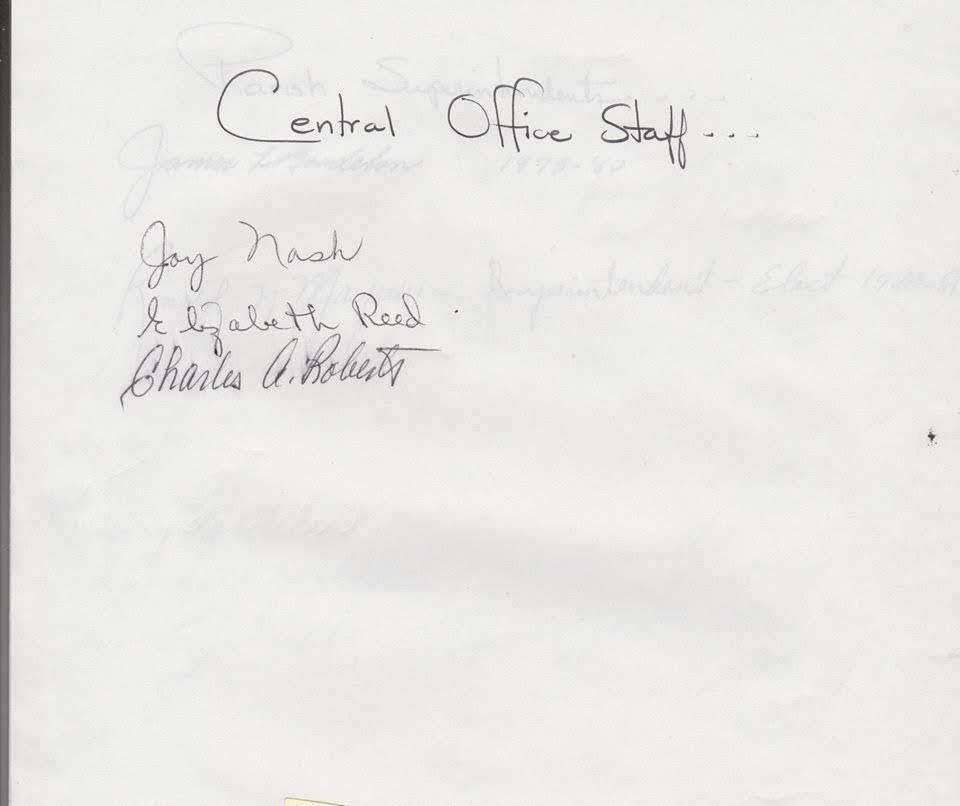
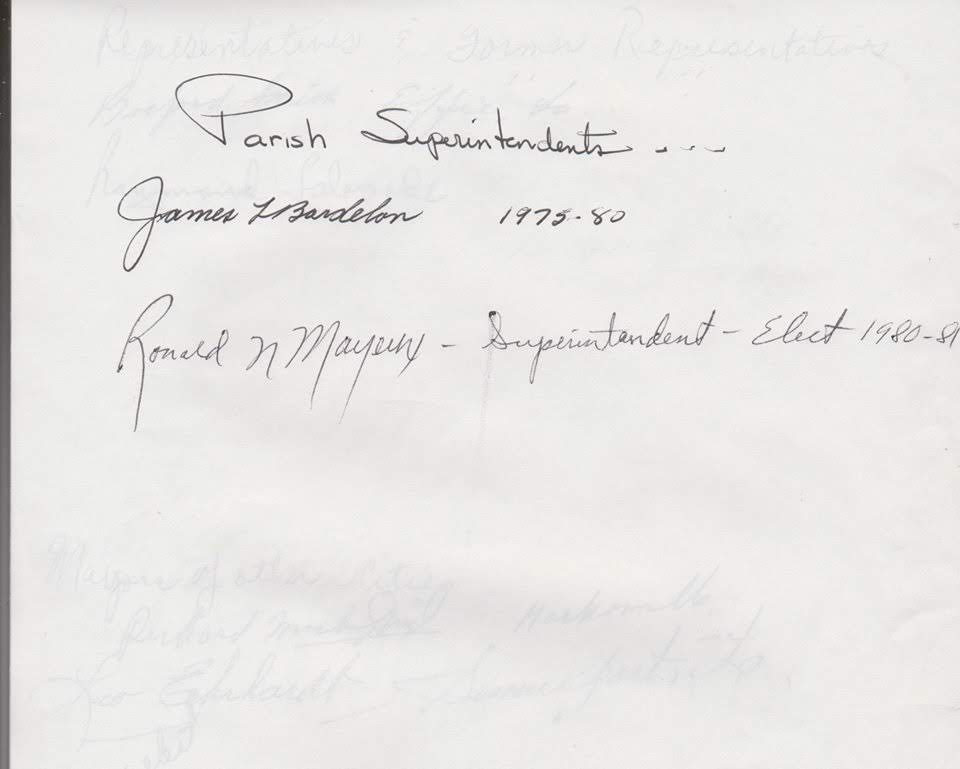
The 1980 Collection

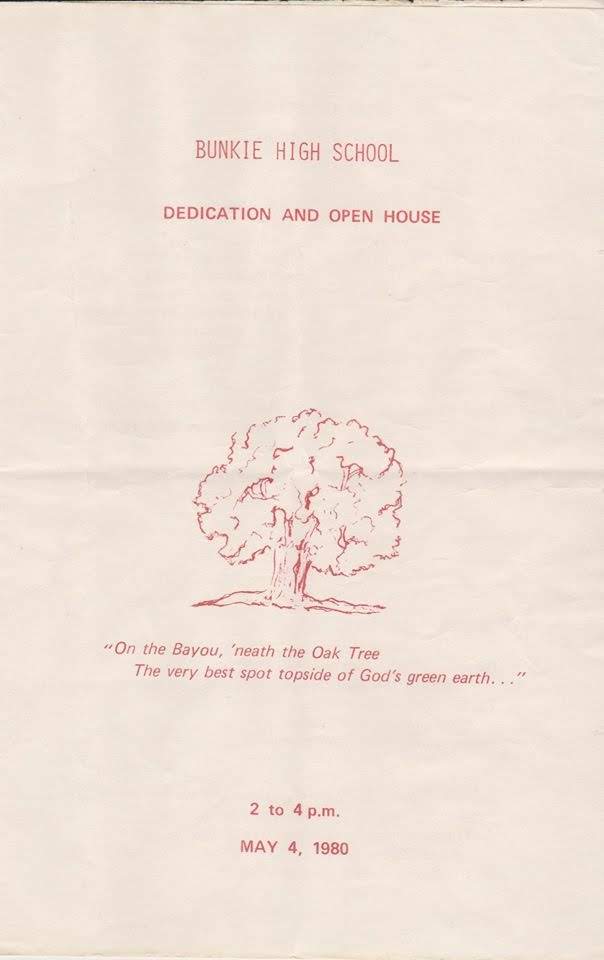
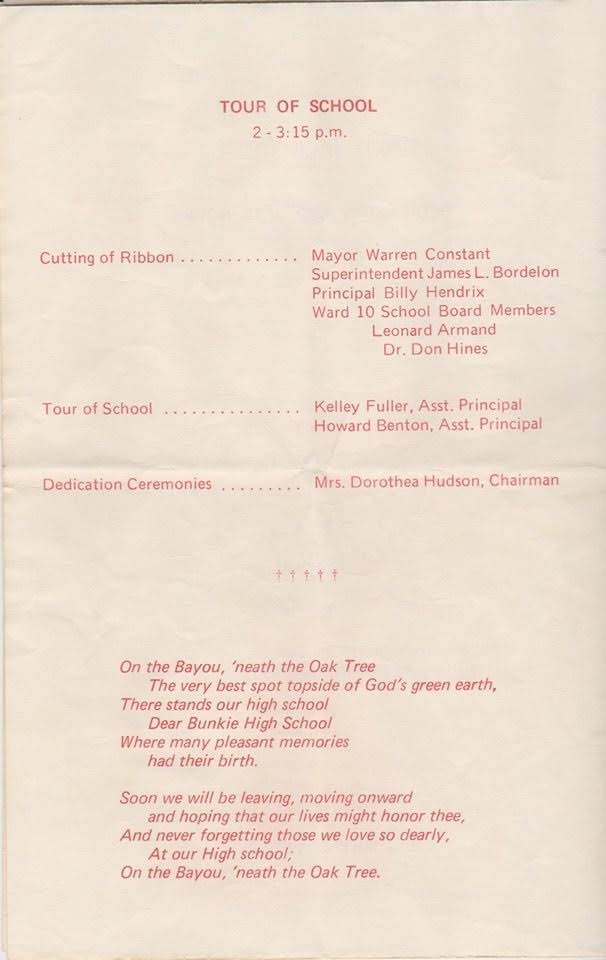
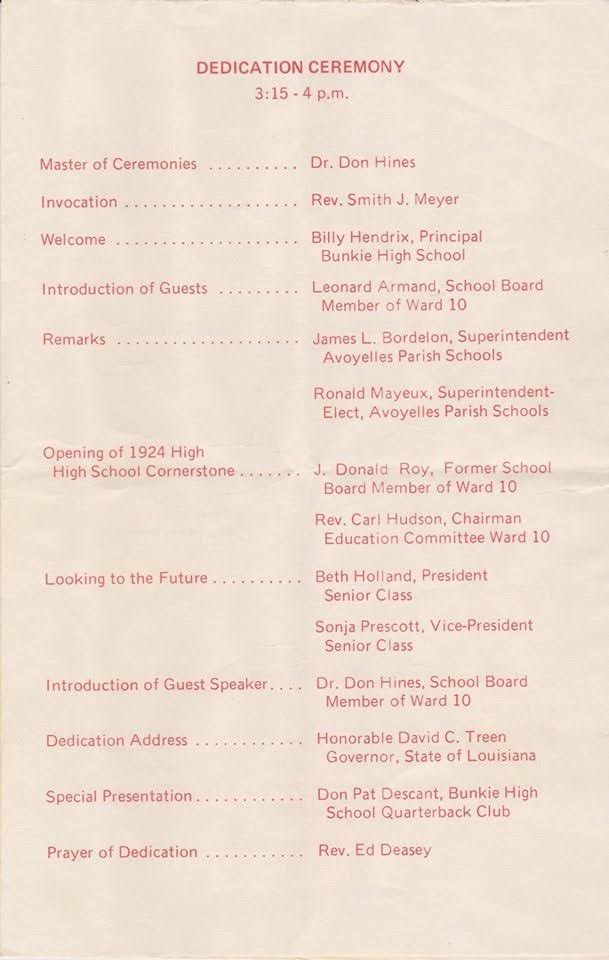
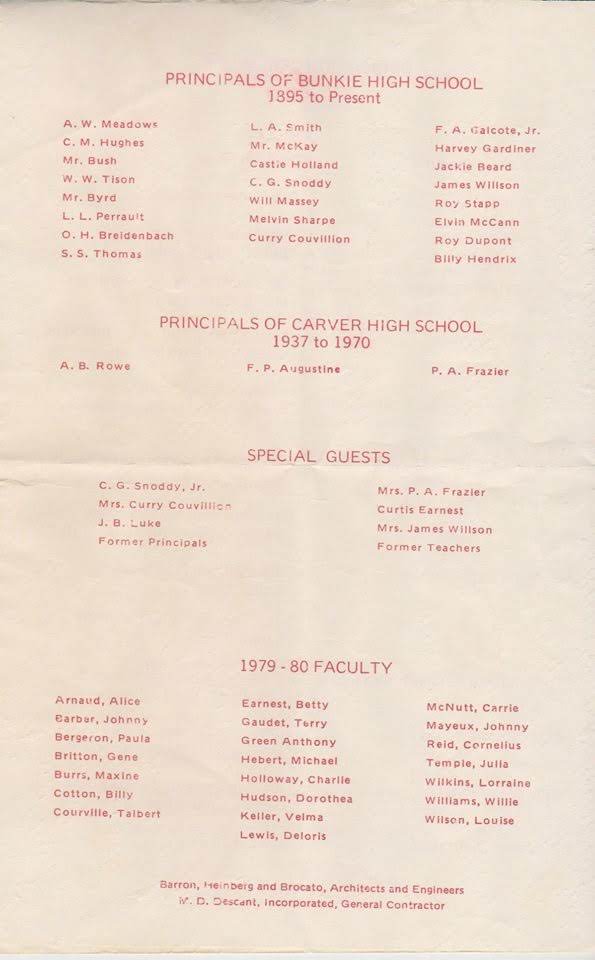
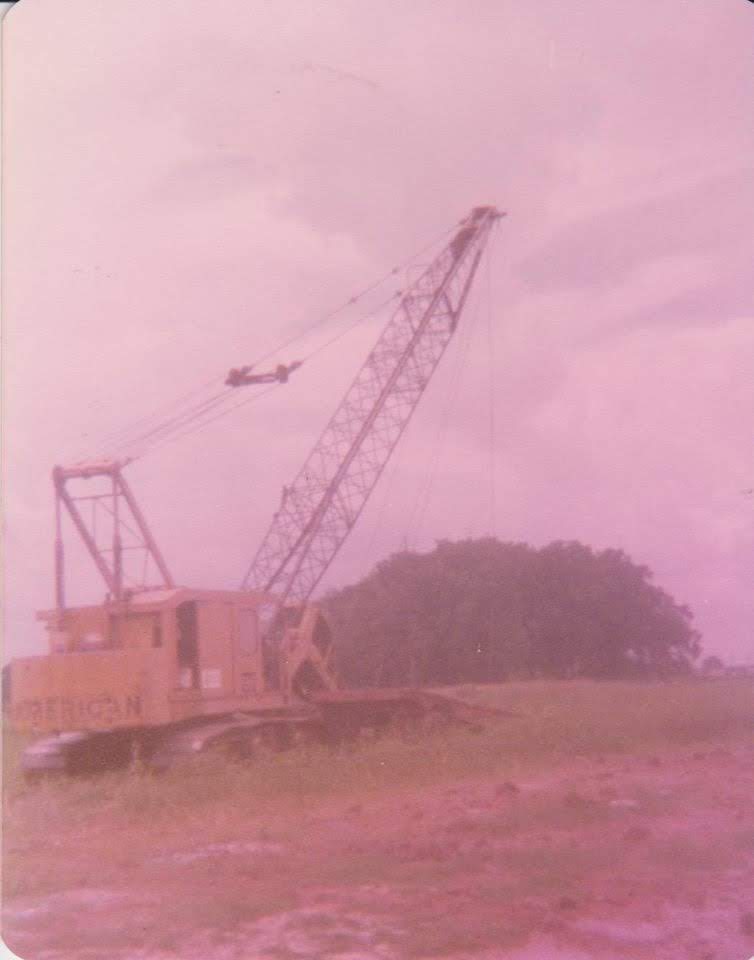
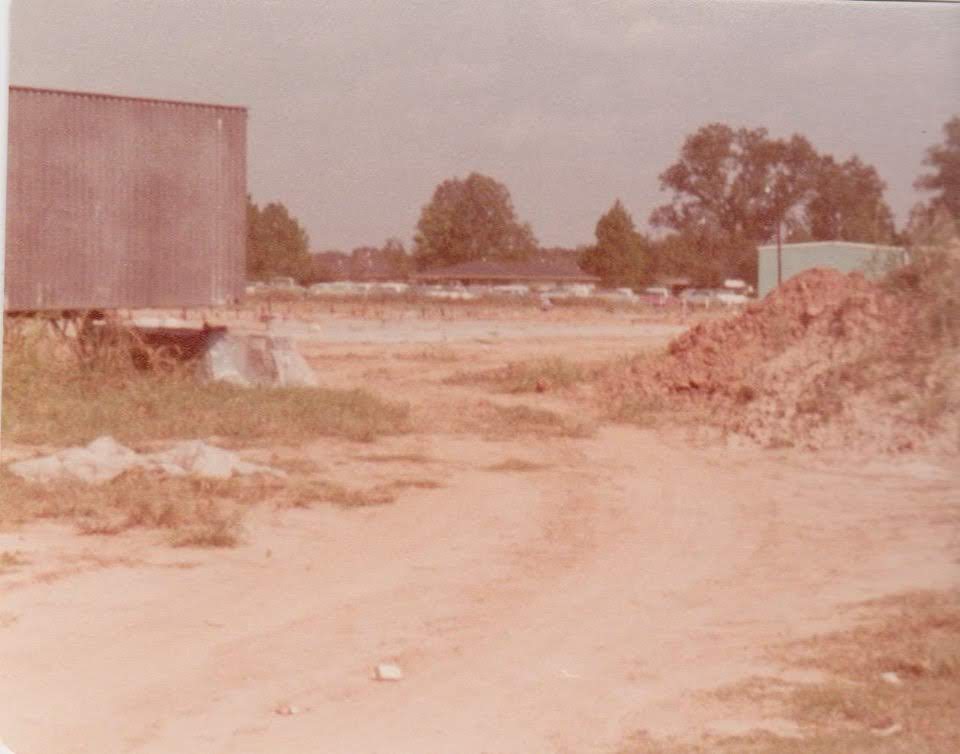
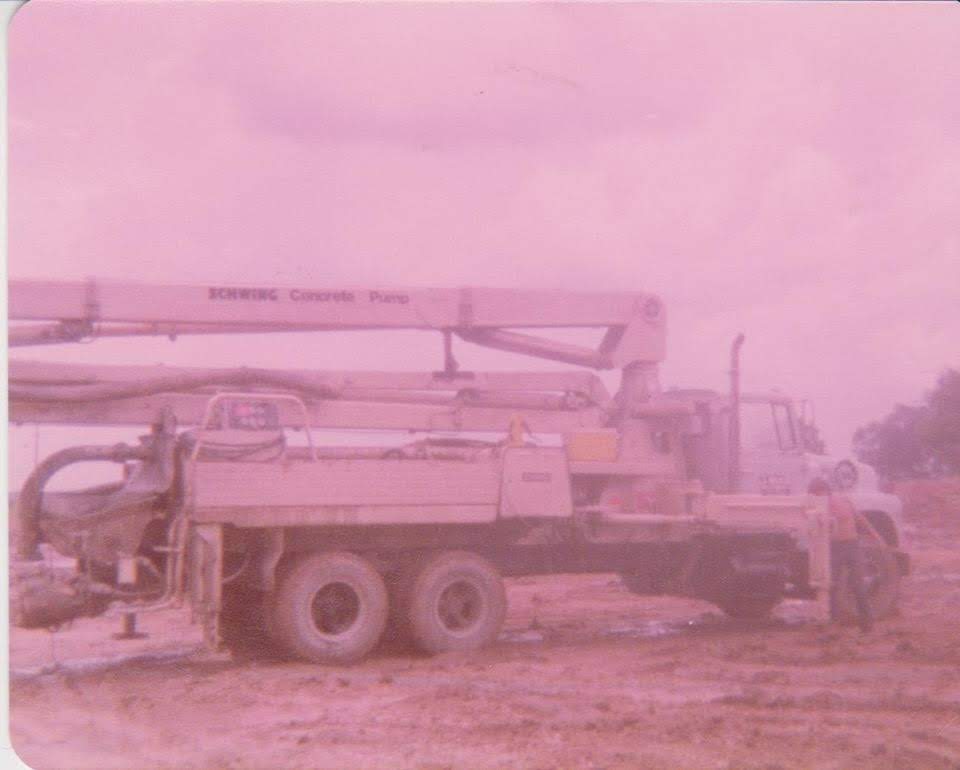
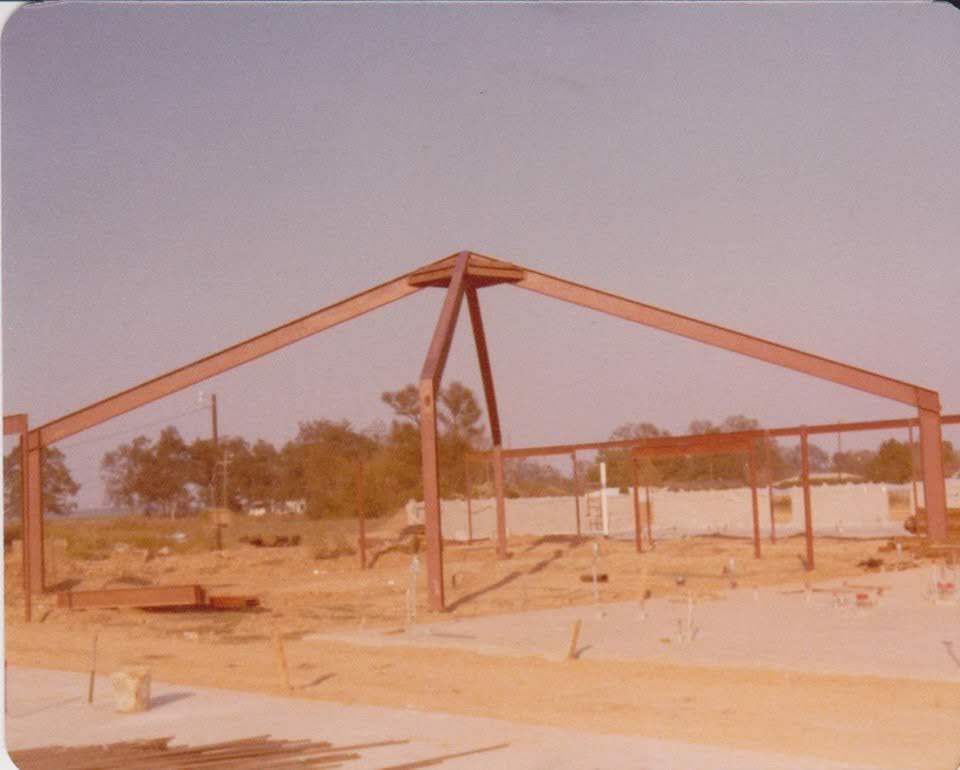
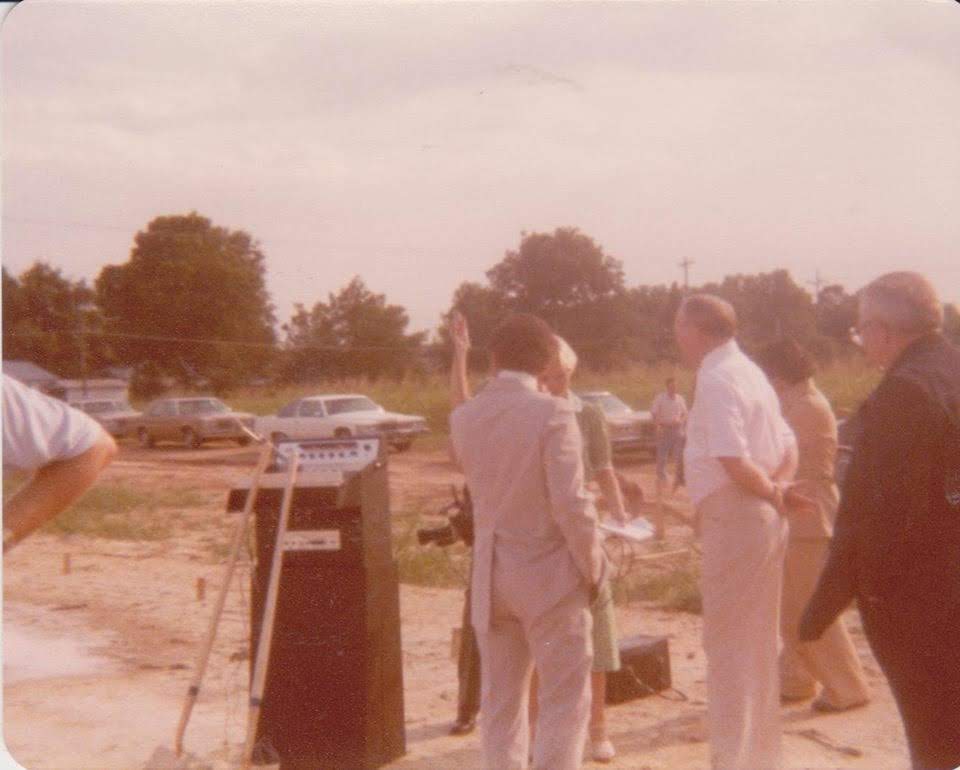
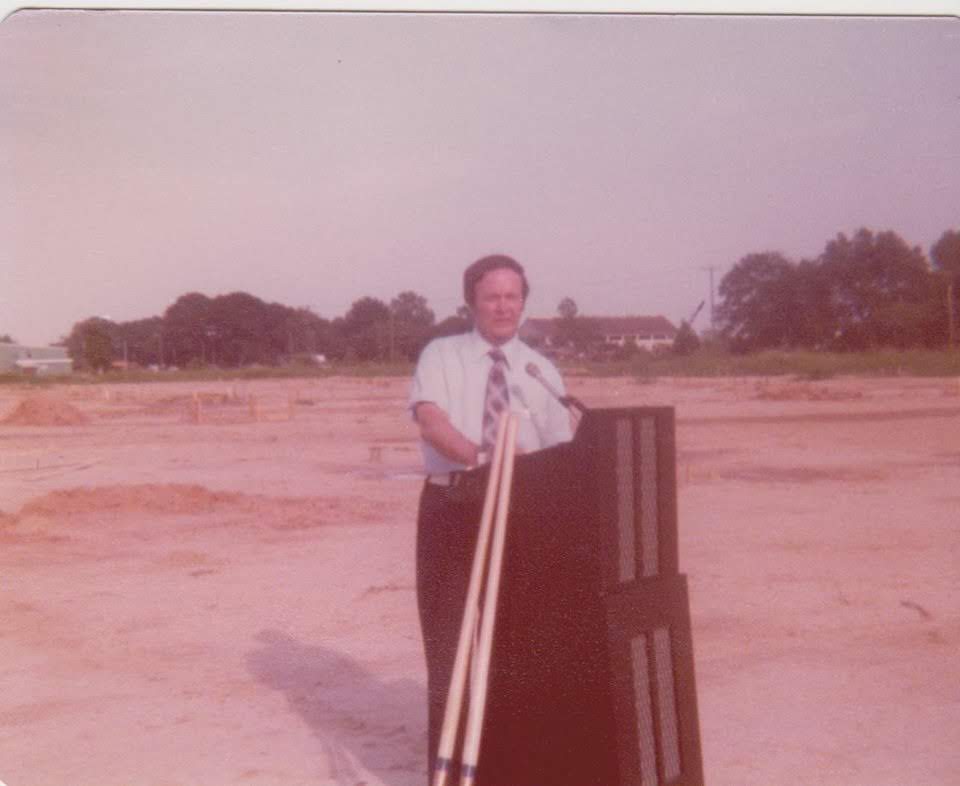
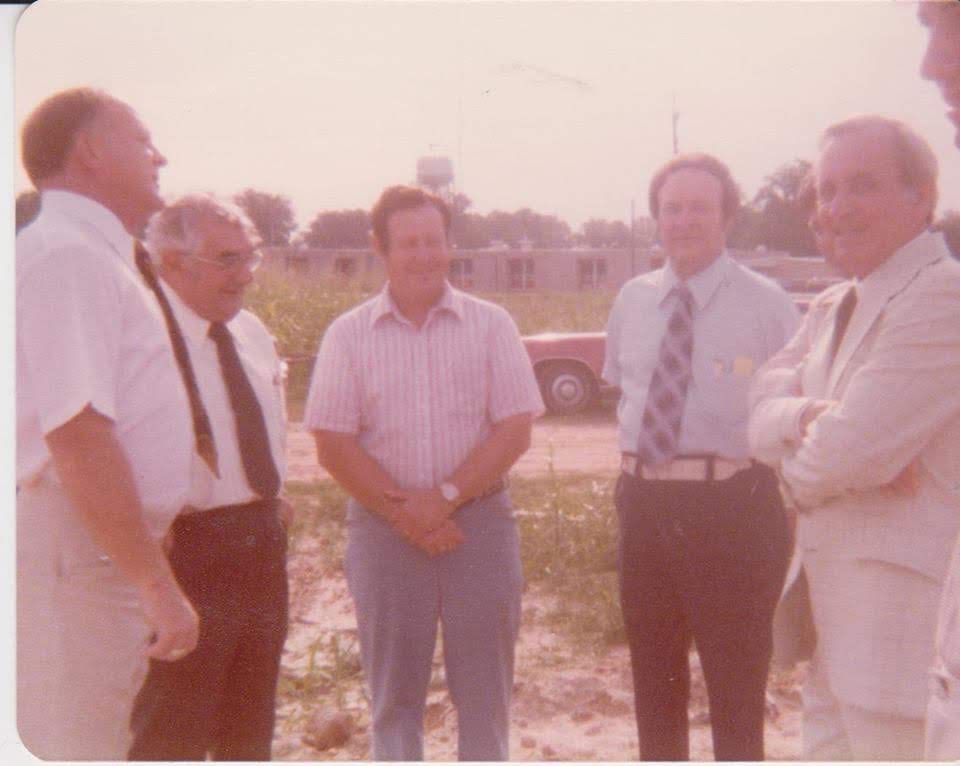
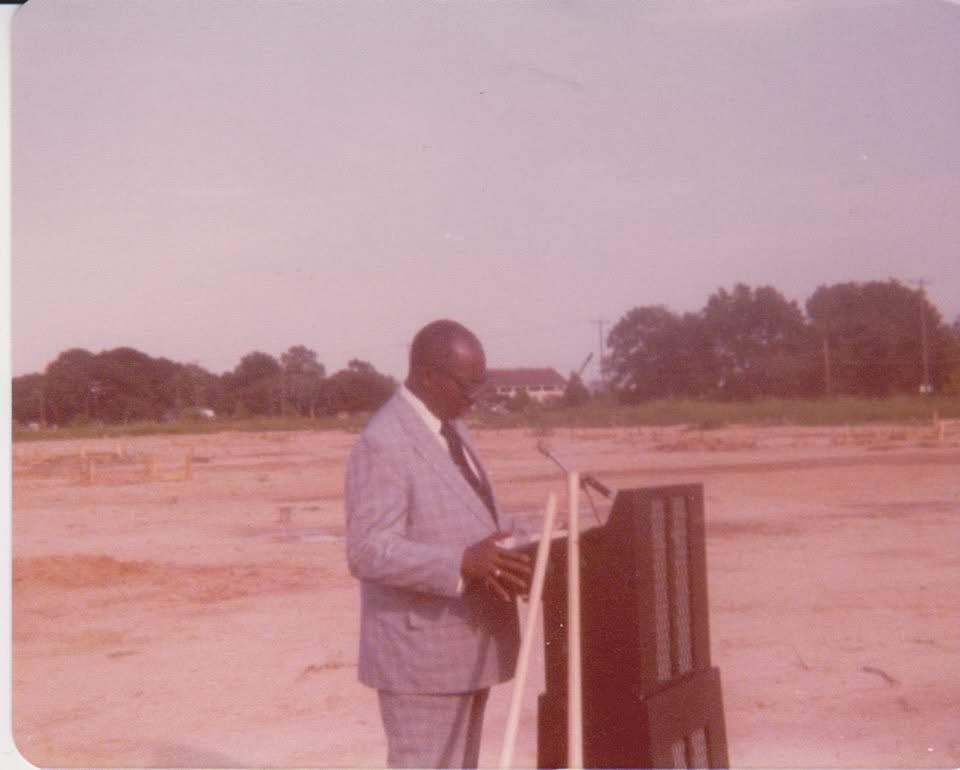
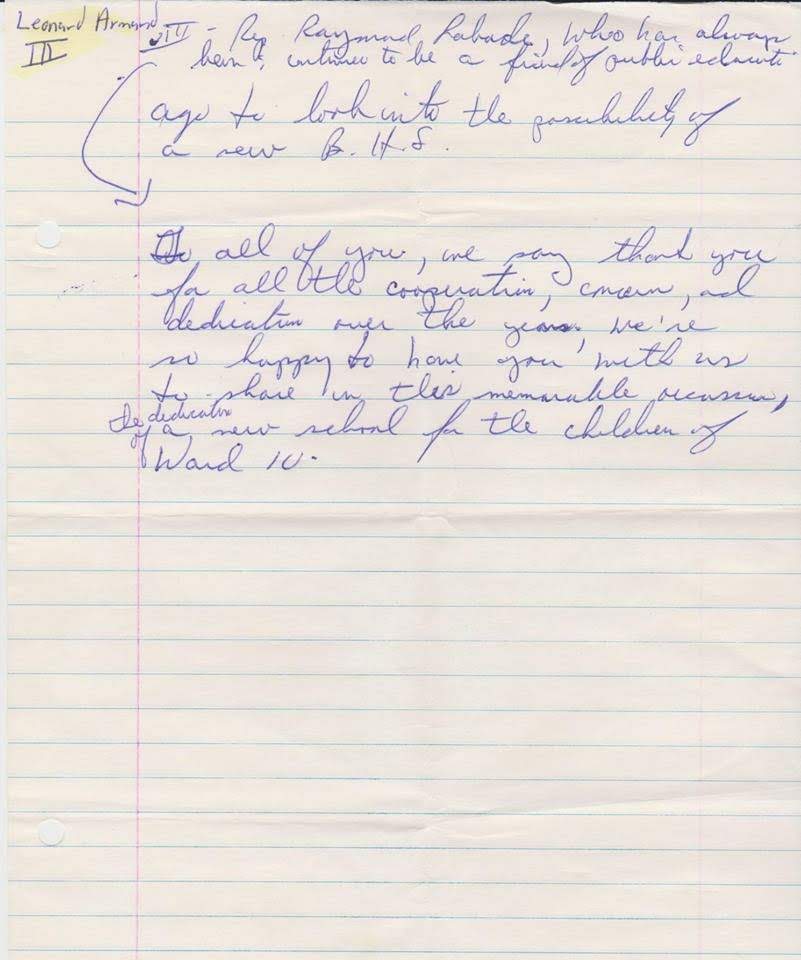
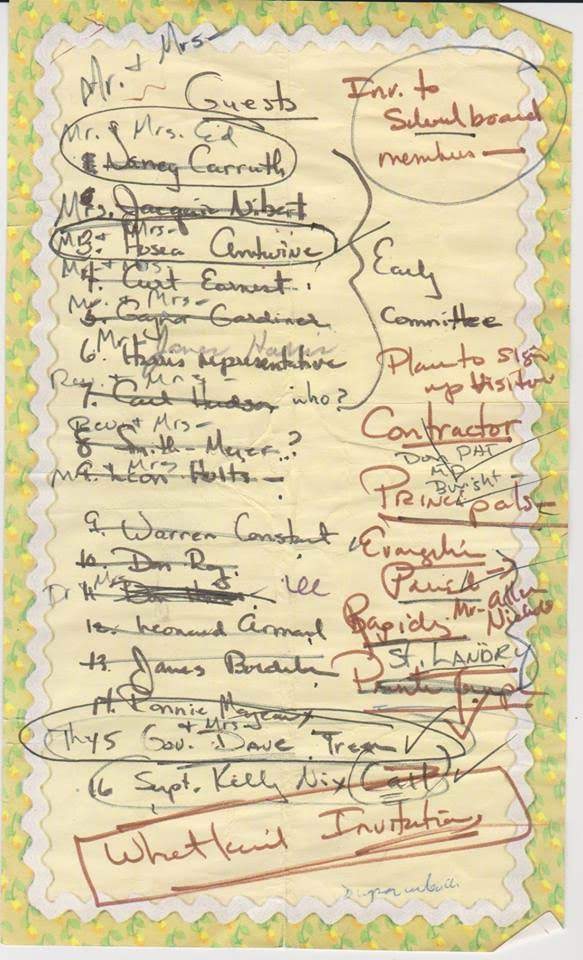
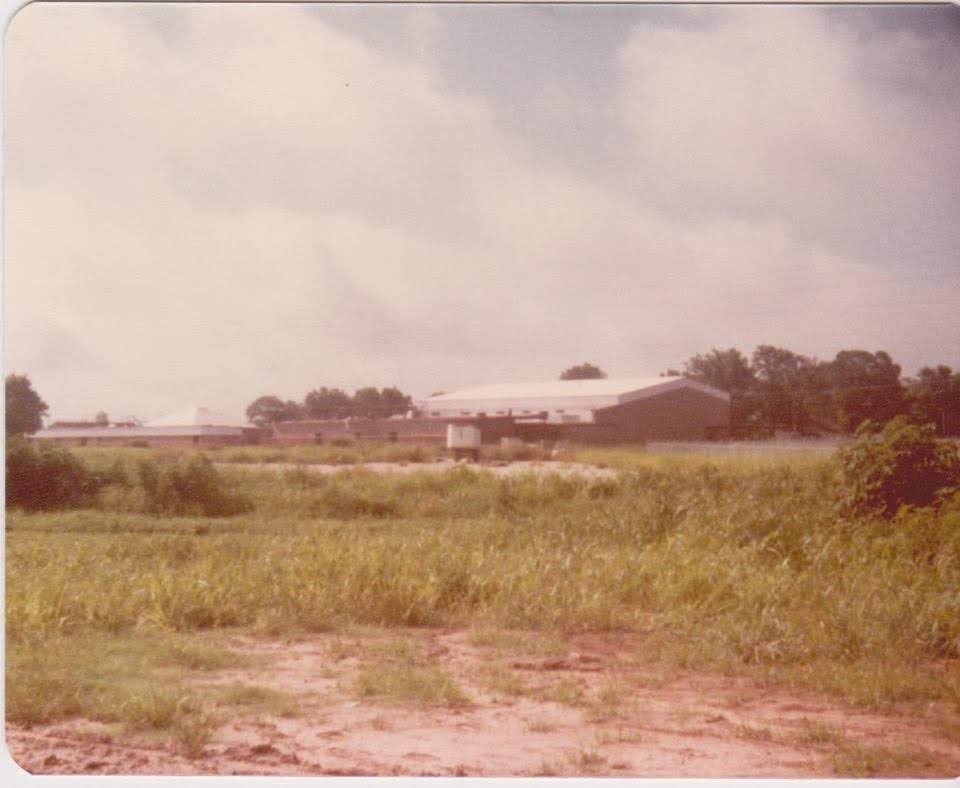
Explore the existing “New” Bunkie High School collection, including campus photographs, ceremonies, programs, and newspaper clippings.

Open photo archive →
Bunavola

Yearbook Archive

Turn back the pages and revisit classmates, school activities, and Panther traditions in our digitized yearbooks.

Browse Bunavola yearbooks ↗
Read the records behind the stories

Original historical documents

Explore the complete documents shared for this archive. These PDFs retain the original scans and text, including the newspaper source information.

School history · PDF · 5 pages

BHS History

A narrative of the school’s early years, campus changes, programs, and leadership, with a separate account of Carver High School.

Read the original history ↗
Newspaper archive · PDF · 80 pages

Newspaper Clippings

Historical newspaper reports on school life, education, and the 1980 campus and dedication.

Browse the original clippings ↗

Large file · approximately 24 MB

Supplementary archive · PDF · 10 pages

Newspaper Clippings, Volume 2

Additional school-board and newspaper records, plus 1980 graduation coverage and a readable transcription.

Browse the additional records ↗
Four schools. Generations of stories.

Schools that shaped us

Bunkie High’s story includes the students, educators, and traditions of Carver, Hessmer, and Cottonport. Each school has a history of its own and a lasting place in our shared story.

Our continuing story

Bunkie High

From its early classrooms to the Evergreen campus, Bunkie High’s history continues with each new generation.

A legacy of education

Carver High

George Washington Carver High grew from a school serving Black children during segregation. Its high school community joined Bunkie High in 1970–1971.

A community remembered

Hessmer High

Established in the late 1920s, with a brick school building documented around 1928. Its high school students moved to Bunkie in 1988–1989.

Traditions that live on

Cottonport High

Founded in 1927, Cottonport High served generations of its community. Its high school students moved to Bunkie in 1988–1989.

Explore all four schools together below, or choose a school to follow its milestones. Sources accompany the dated entries.

Our story through the years

Our Schools, Our Shared History

Follow the histories of Bunkie, Carver, Hessmer, and Cottonport through school records, newspaper retrospectives, and community accounts. Source links identify the record behind each milestone.

Explore the timeline by school

Shared milestones appear under each school involved. Choose All Schools to restore the complete timeline.

1888
Bunkie High

A school for a growing town

The school history records the first local school opening on Bridenthal’s plantation, with Charles Weir as its first teacher.

Source: BHS History, p. 1 ↗
1907
Bunkie High

State recognition and agricultural learning

Bunkie’s school became recognized by the state as a high school. Agriculture was introduced, with a model farm on the school grounds.

Source: BHS History, p. 2 ↗
1909
Carver High

The roots of Carver High

The published Carver history traces the school’s beginnings to Bunkie Colored Public School, serving Black children at Oak and Ash Streets during segregation.

Source: Published Carver school history ↗
1910
Bunkie High

A new brick high school takes shape

In November 1910, a construction contract was awarded for a new brick Bunkie High School building with two stories and a basement. The completed building was dedicated in May 1911.

Source: Newspaper Clippings, pp. 14 and 17 ↗
1918–1919
Bunkie High

A cafeteria and motorized transportation

The School Improvement League established a cafeteria, and motor buses were purchased to replace the wagons used to transport students.

Source: BHS History, p. 3 ↗
1924
Bunkie High

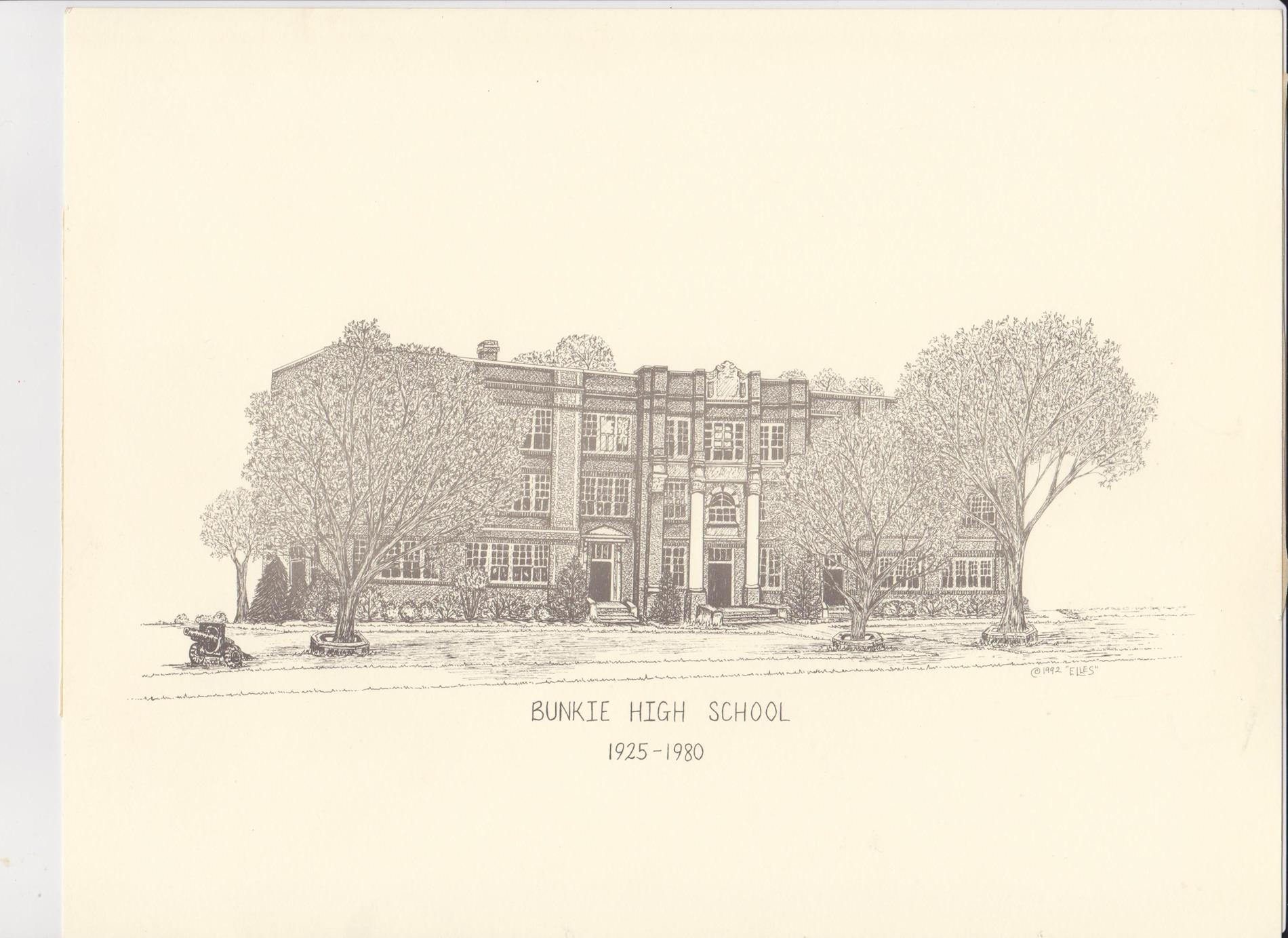
A cornerstone for the earlier Bunkie High campus

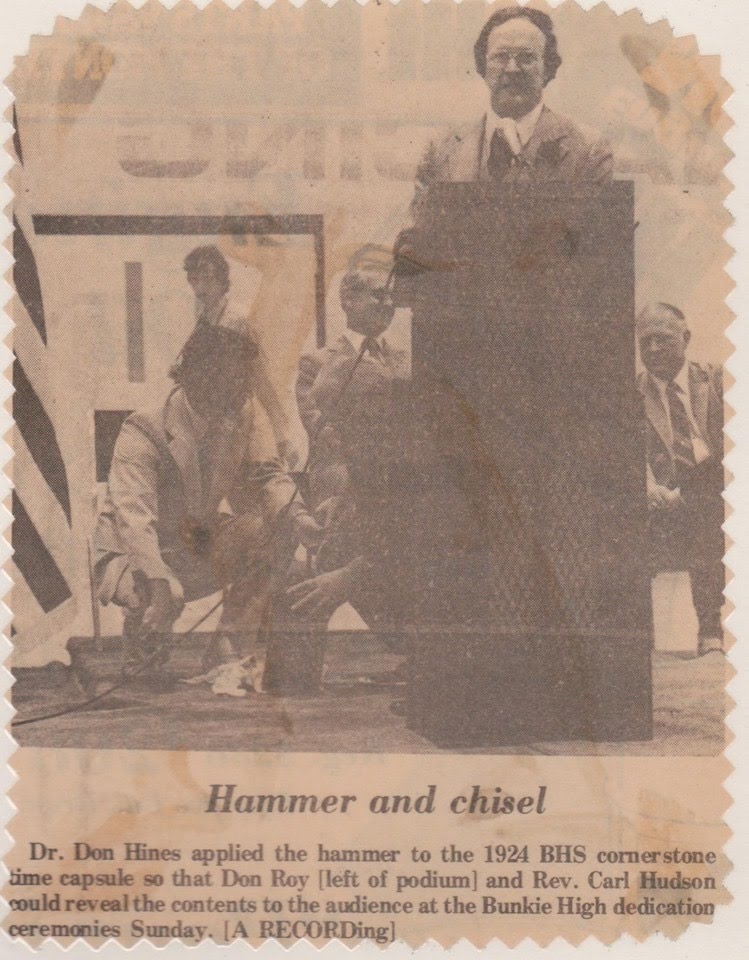
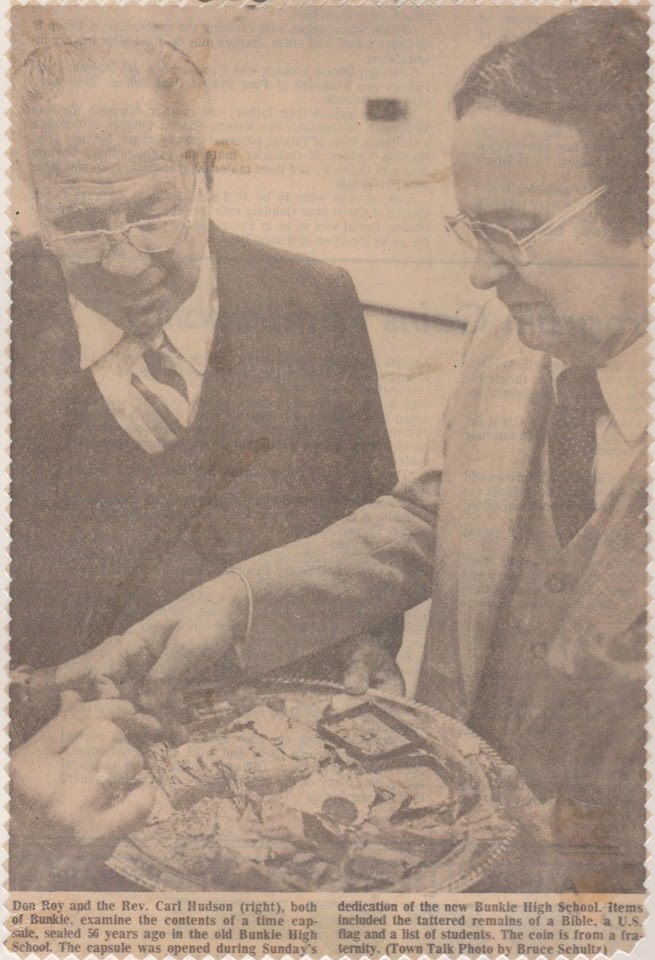
An April 1924 newspaper notice announced the laying of the cornerstone for a new Bunkie High School building. The school history records the building’s dedication to principal C. C. Snoddy. The Haas Auditorium and vocational buildings were added later.

Source: Newspaper Clippings, p. 24 ↗
Source: BHS History, p. 3 ↗
1927
Cottonport High

Cottonport High School is founded

Cottonport High School was founded in 1927.

Founding year provided by school administration.

Late 1920s · c. 1928
Hessmer High

Hessmer High School takes shape

The school was established in the late 1920s, with a brick school building documented around 1928.

Historical information provided by school administration. Dates are approximate.

1937
Carver High

Albert B. Rowe leads the school

The Carver history records Albert B. Rowe’s arrival as principal in 1937 and describes his work to strengthen instruction and improve facilities.

Source: Published Carver school history ↗
1952
Carver High

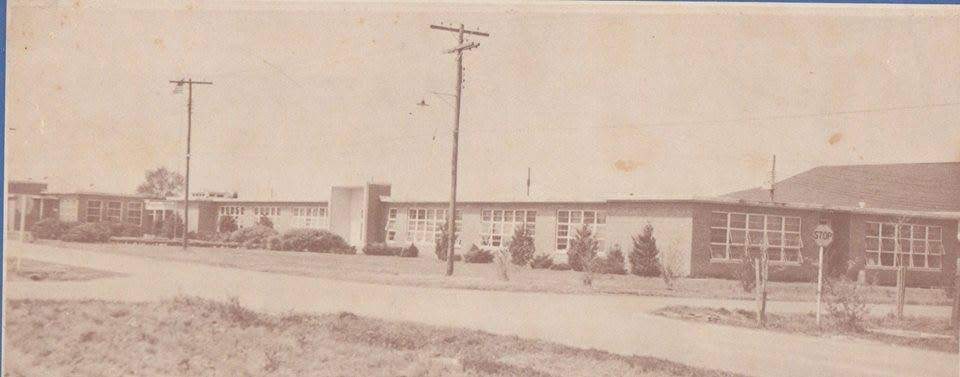
A new Carver High School building

The Carver High School account describes a brick high school building constructed in 1952, including classrooms, a library, and a science laboratory.

Source: BHS History, Carver High School, p. 5 ↗
1957
Carver High

The George Washington Carver name

The published school history dates the change from Bunkie Consolidated High School to George Washington Carver High School to 1957.

Source: Published Carver school history ↗
1970–1971
Bunkie HighCarver High

Bunkie High and Carver High merge

The two schools merged to form Bunkie Senior High, serving grades 10–12. Harvey L. Gardiner served as principal and Kelly D. Fuller as coordinator.

Source: BHS History, p. 3 ↗
1973–1974
Bunkie High

The Bunkie High name returns

With ninth grade returned to the school, its designation again became Bunkie High School.

Source: BHS History, p. 3 ↗
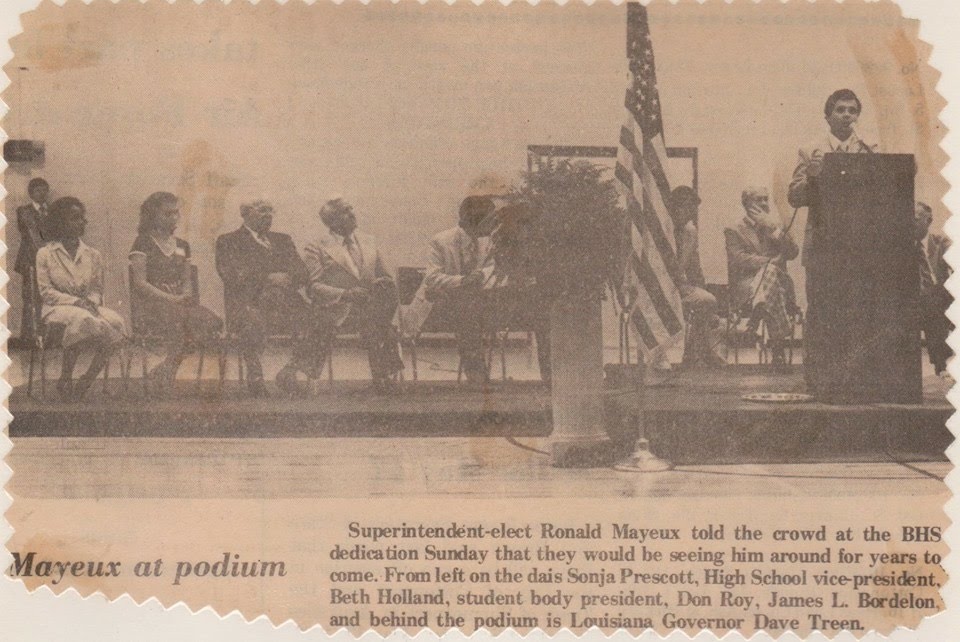
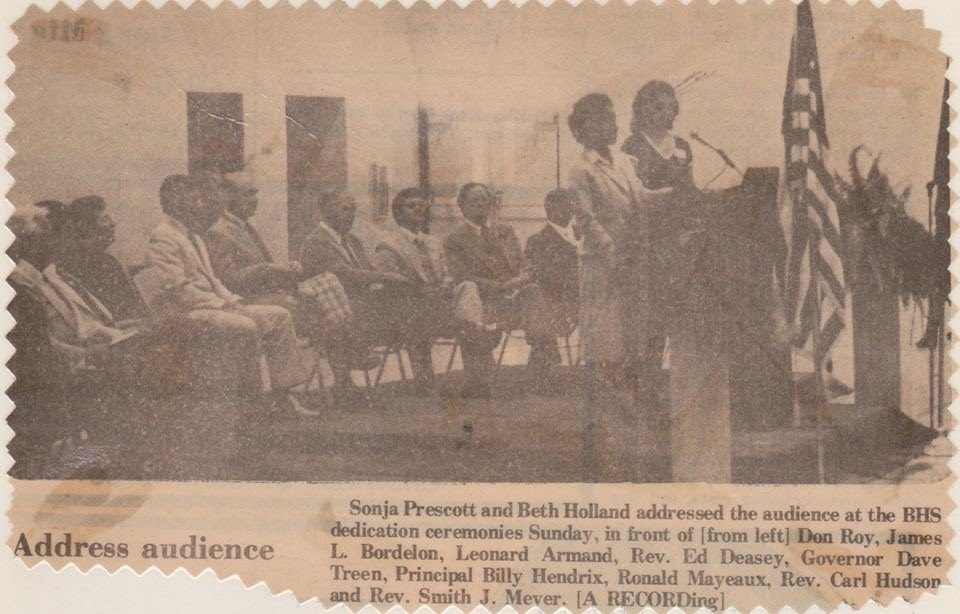
May 4, 1980
Bunkie High

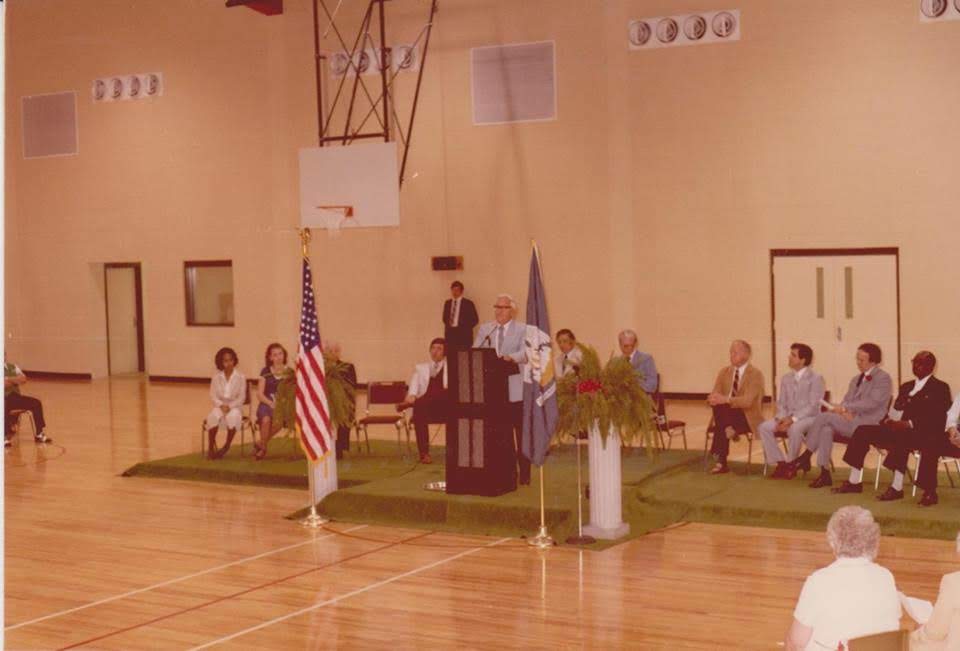
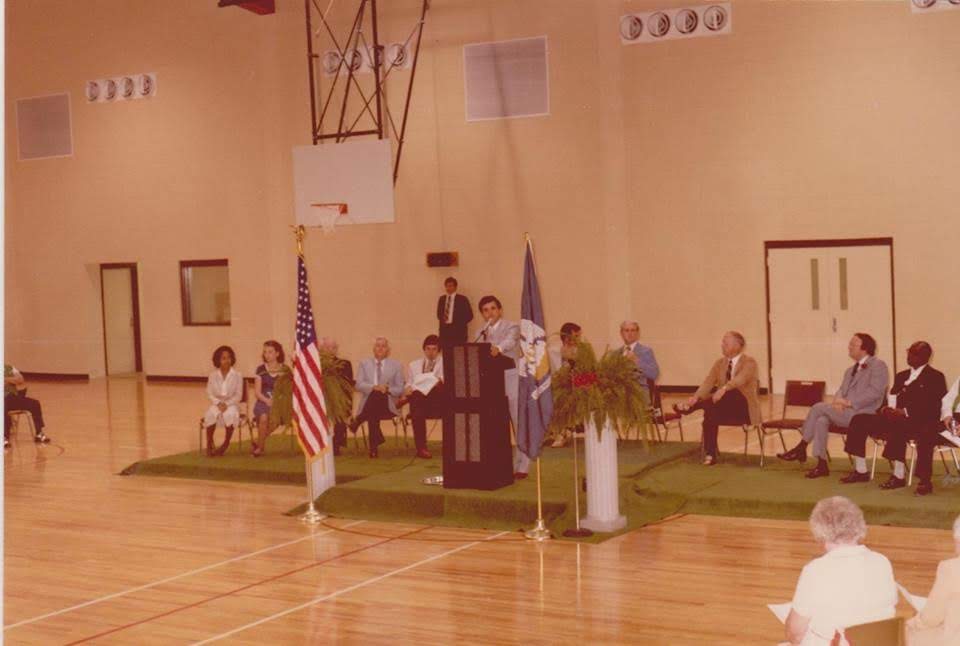
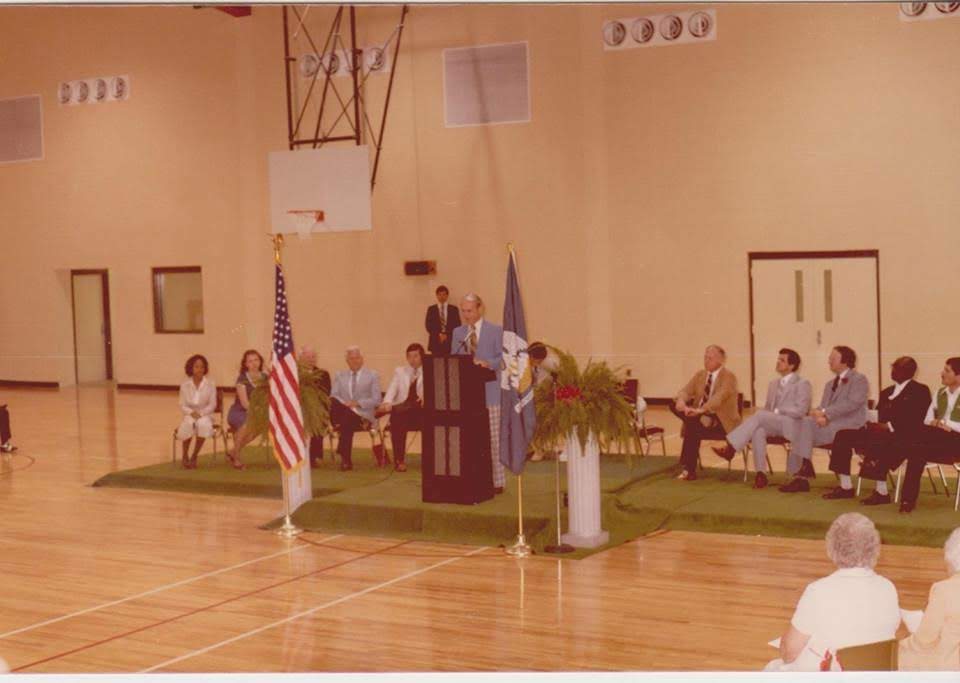
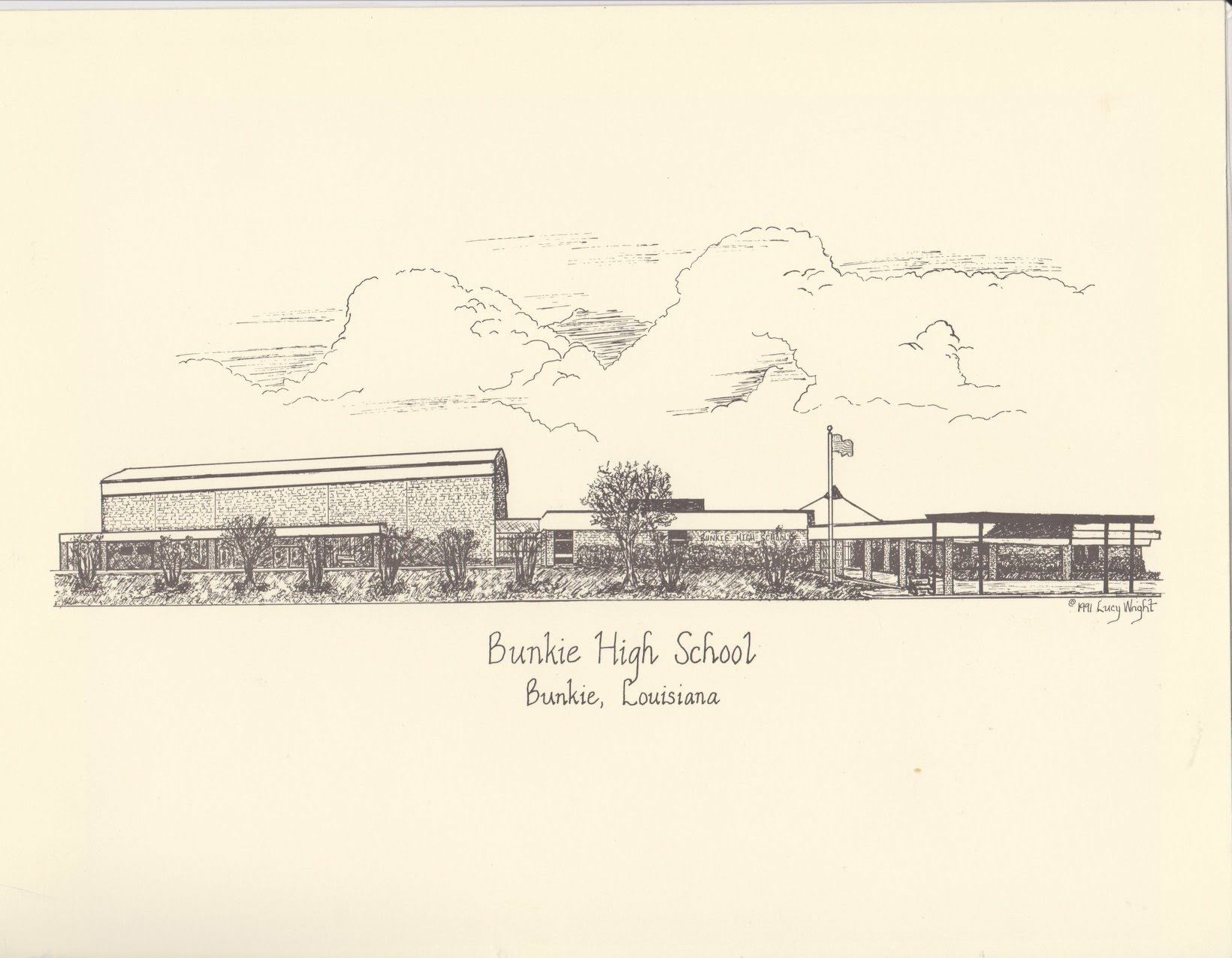
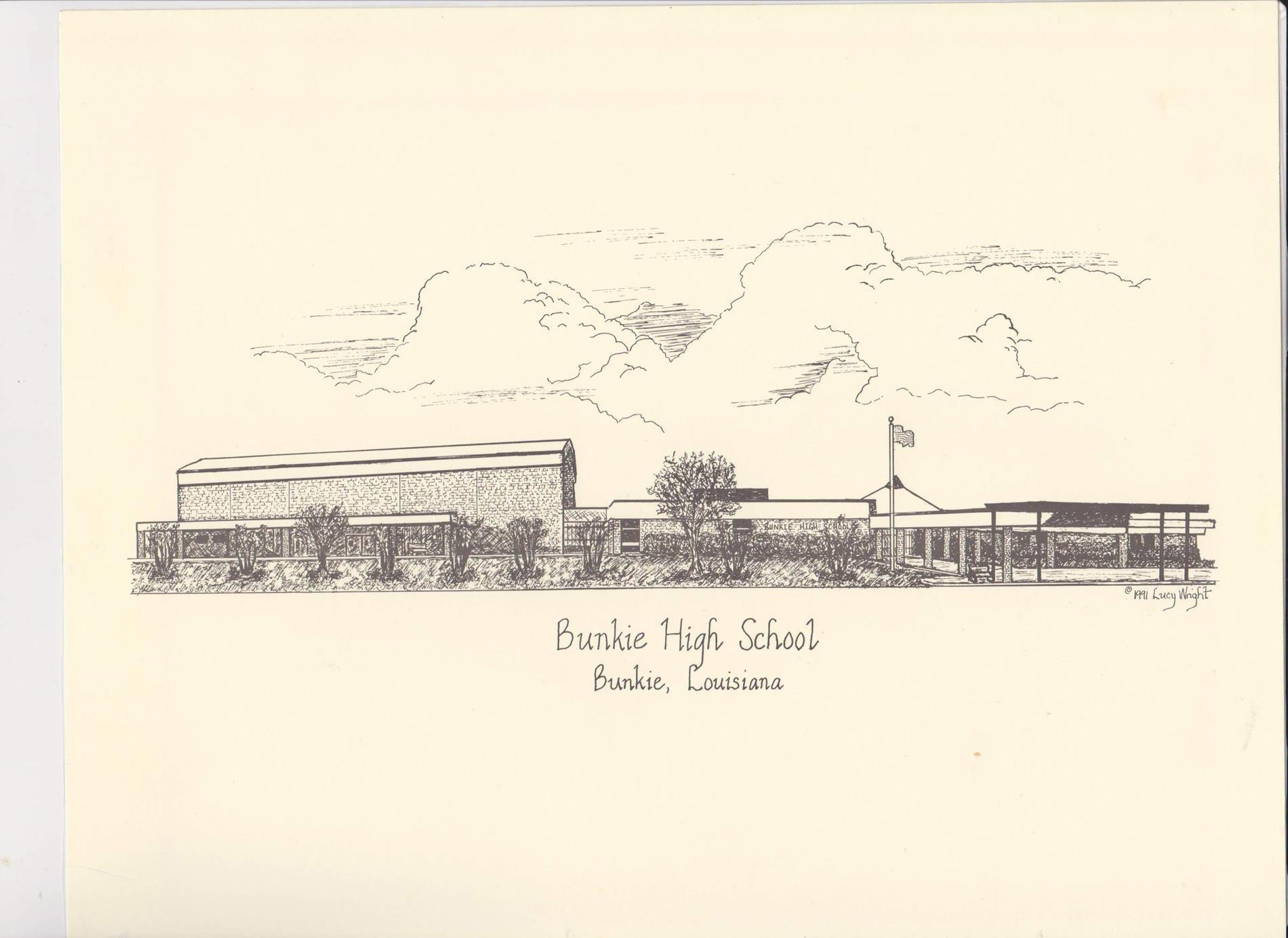
Dedication of the new Bunkie High School

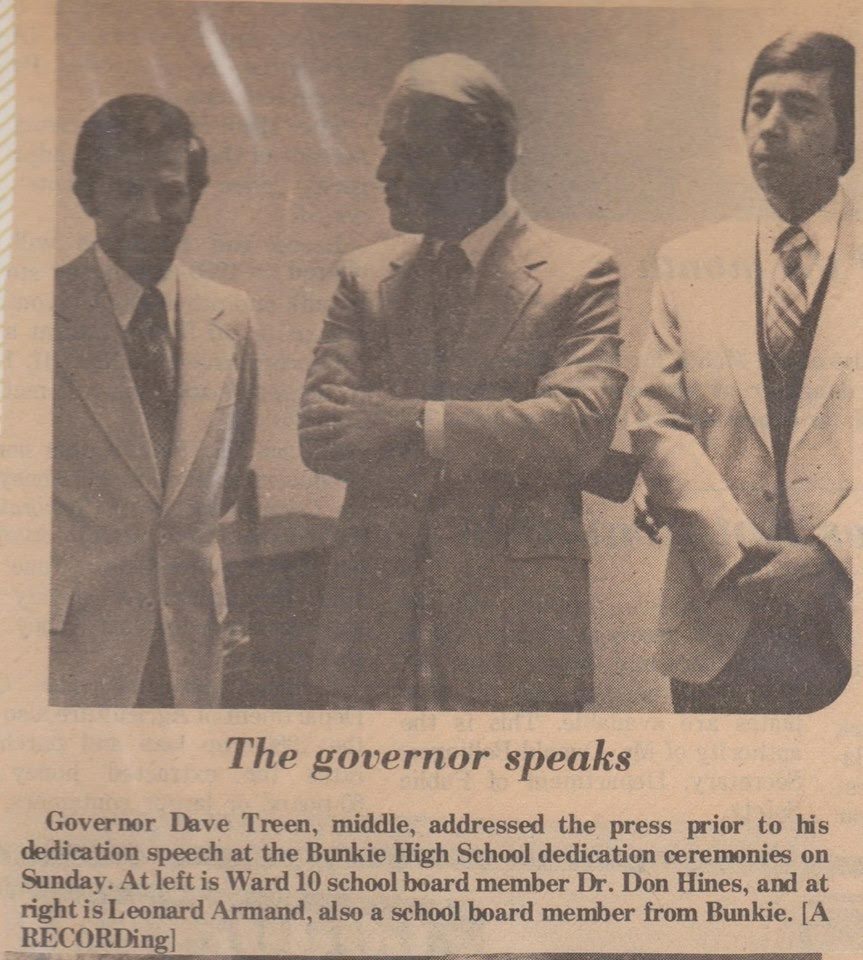
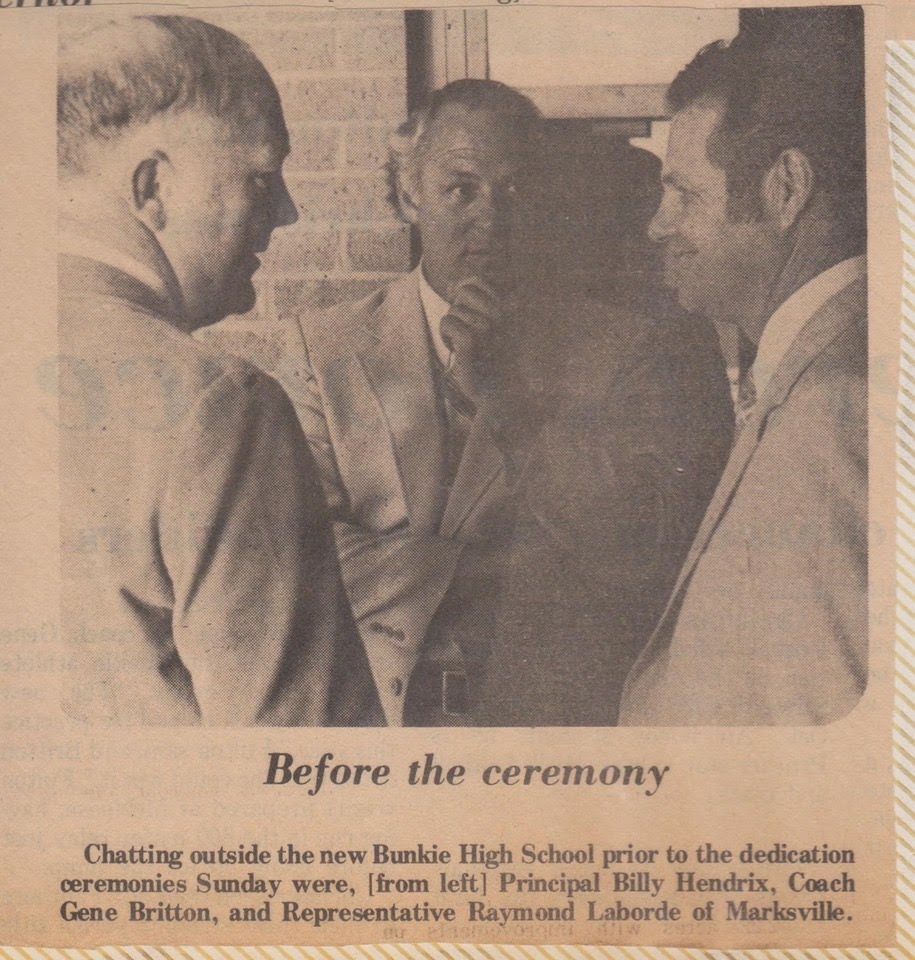
Contemporary newspaper coverage documents the dedication and open house for the new school. Governor Dave Treen participated in the dedication ceremony.

Source: Newspaper Clippings, pp. 72–74 ↗
1988–1989
Bunkie HighHessmer HighCottonport High

Three school communities come together

In 1988, Hessmer High School and Cottonport High School closed, and their high school students moved to Bunkie High School for the 1988–1989 school year.

Consolidation details confirmed by school administration. Federal court records document the July 7, 1988 student-assignment order.

Source: Federal court history of the 1988 order, p. 1 ↗
2004
Cottonport High

The old athletic grounds serve the community

The Town of Cottonport records a July 14 agreement to reuse the former high school football field, track, and stadium. The Cotton Trail walking project was completed October 31.

Source: Town of Cottonport · Community history ↗
2009–2010
Bunkie High

Grades 7 and 8 transition to high-school campuses

A federal court ruling filed in May 2009 authorized the transfer of seventh- and eighth-grade students from the middle schools in Bunkie, Marksville, and Mansura to Bunkie High School, Marksville High School, and Avoyelles High School, respectively, beginning with the 2009–2010 school year. The move was initially authorized on a trial basis.

Source: May 2009 federal court ruling, pp. 4 and 12 ↗
2025
Bunkie High

First A rating in school history

Bunkie High School earned an A rating for the first time in school history in 2025.

Milestone confirmed by school administration.

This collection is growing. Additional opening dates, campus photographs, and school milestones will be added as records are confirmed. Newspaper retrospectives and personal accounts are labeled in the source links.
Preserved for future generations

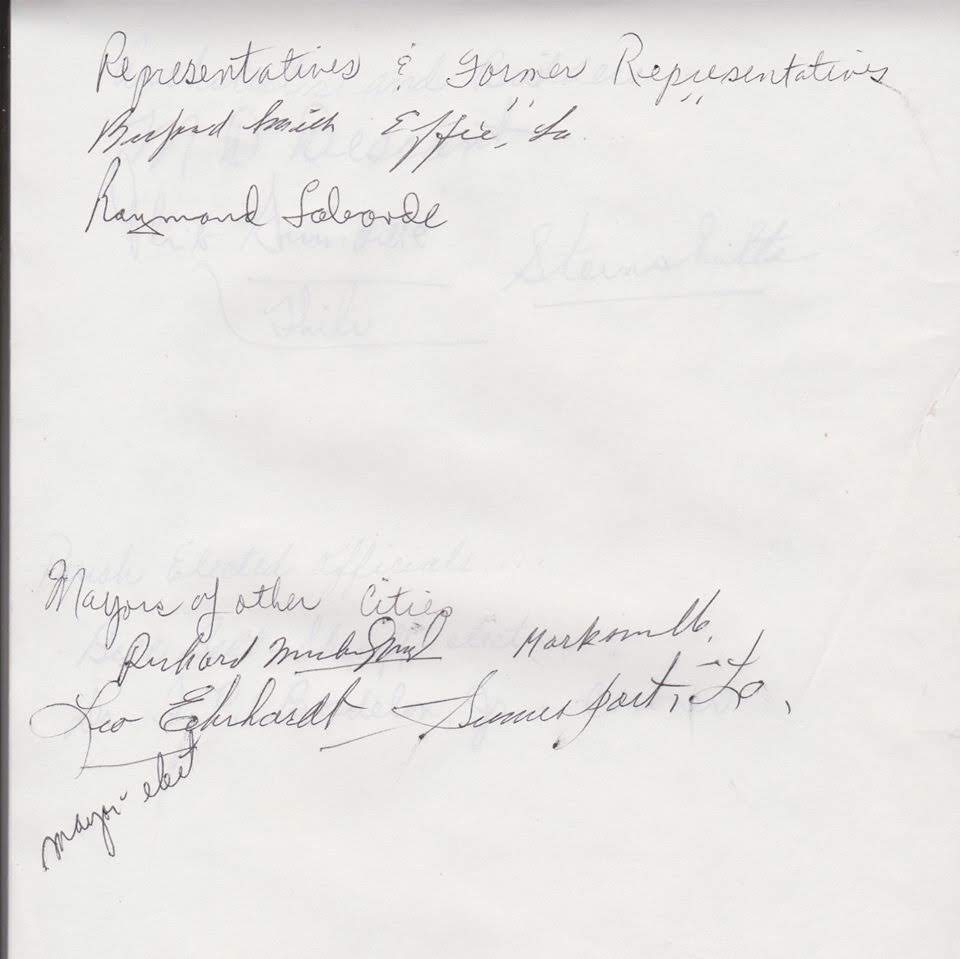
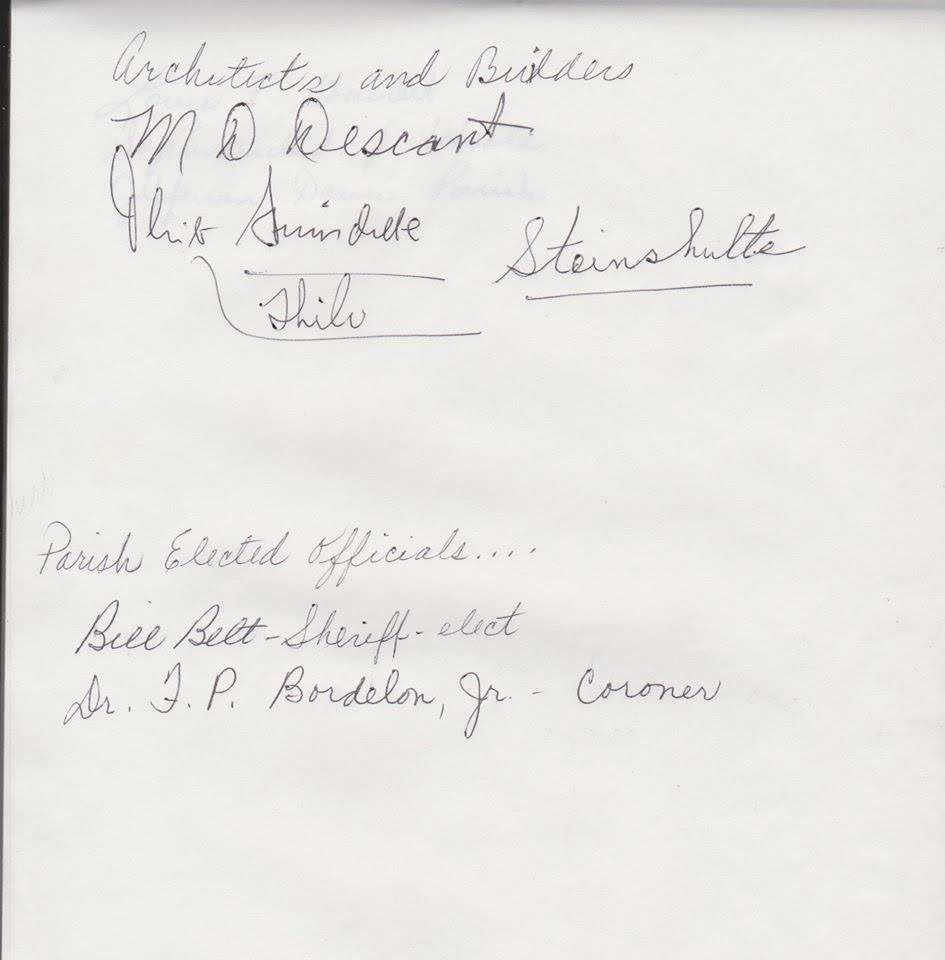
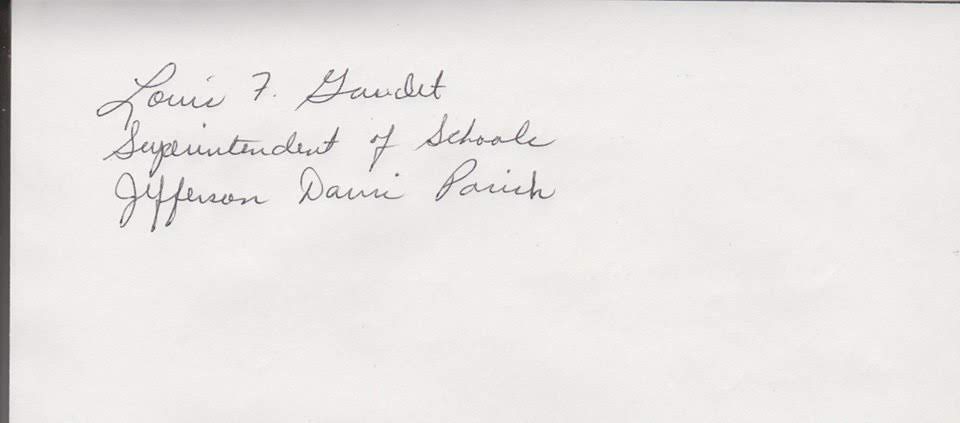
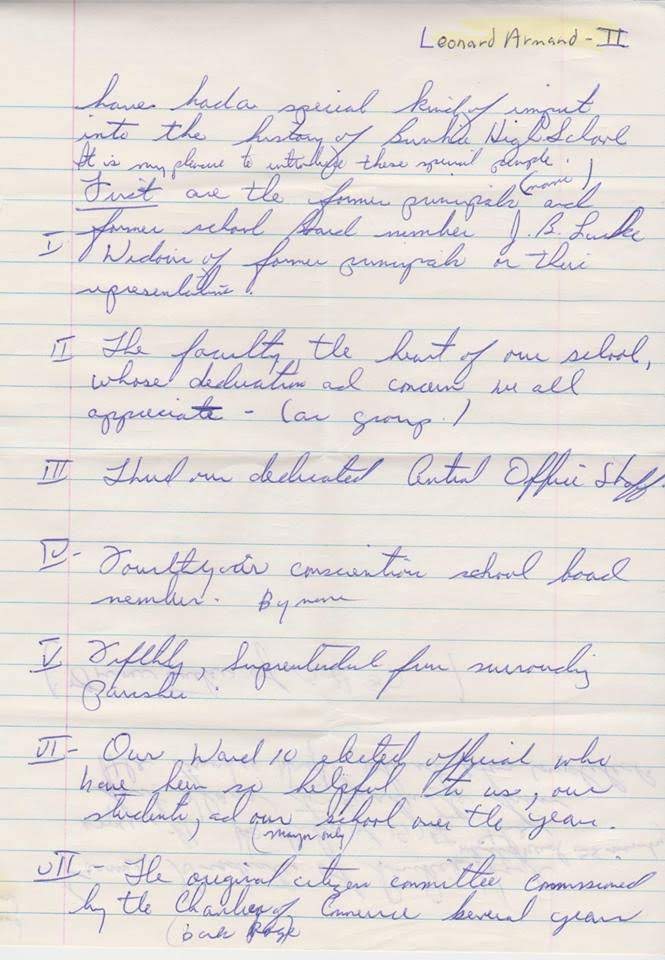
The complete 1980 photo archive

All 102 original images are retained below. Select an image to enlarge it, then use the arrows to browse the collection.

Original photographs and documents are shown uncropped. Historical captions and names can be expanded as information is confirmed.